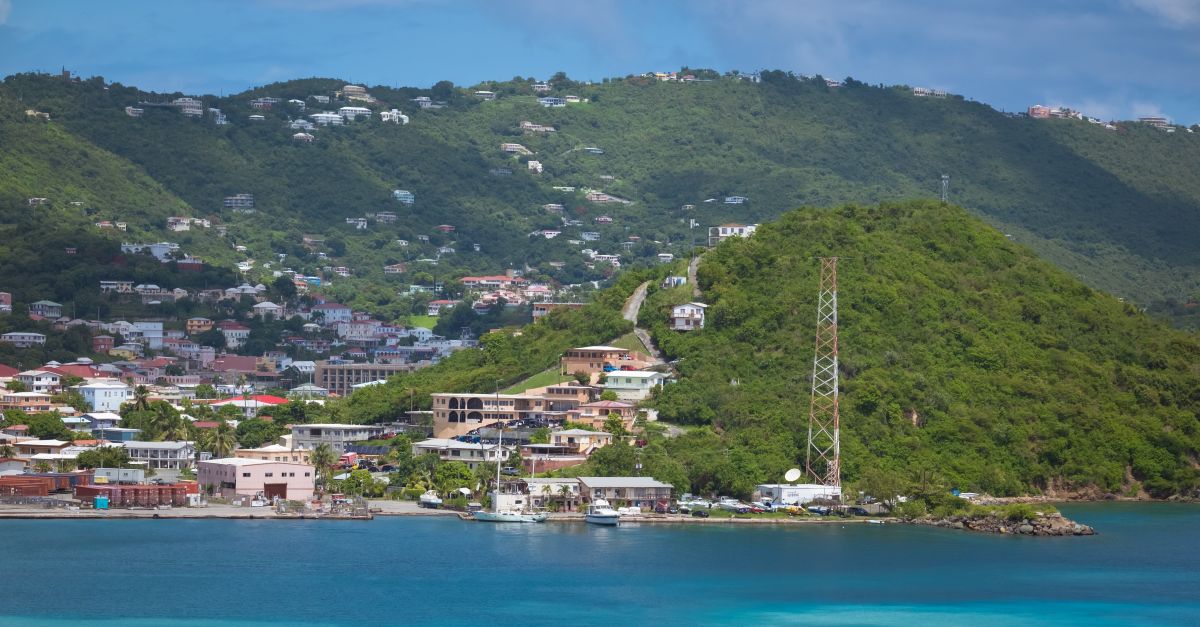
Grenada, known as the “Spice Isle” in the southeastern Caribbean and home to about 112,000 people, relies extensively on its coastal assets to sustain its economy and local livelihoods. Tourism serves as a leading generator of foreign exchange and a key provider of jobs, while the island’s beaches, coral reefs, mangroves, and seagrass meadows offer the natural appeal that draws travelers and the protective buffer that helps safeguard communities from storms and erosion. Corporate social responsibility (CSR) initiatives within the tourism industry have increasingly aimed to connect employment opportunities with responsible ecosystem management, creating a synergy that benefits both residents and the environment.
Coastal pressures and the rationale for tourism-led CSR
Storms, sea-level rise, sedimentation, overfishing, and coral disease all threaten Grenada’s shoreline and the industries that rely on it. The island’s experience with Hurricane Ivan (2004) and other intense weather events underscored how quickly natural assets and livelihoods can be damaged. In that context, tourism companies, destination organizations, and international partners have incentives to invest in coastal protection because:
- Healthy ecosystems support tourism demand: clear water, healthy reefs and intact beaches attract divers, snorkelers and hotel guests.
- Protection reduces operational risk: shoreline stabilization and resilient coastal systems lower damage risk to resorts, ports and communities during storms.
- Jobs and skills are created: conservation activities can be structured to train and employ local people in reef work, guide services, hospitality and enterprise linked to natural attractions.
How CSR within the tourism sector fosters employment and reinforces coastal preservation
Tourism CSR in Grenada operates along several practical pathways:
- Funding and sponsorship: hotels and tour operators fund coral nurseries, beach replenishment and mangrove planting through direct grants, guest donations, or a portion of revenues.
- Skills training and employment: hospitality training, dive-master and guide certification, and technical courses in restoration create qualified local employees and alternative incomes for fishers and youth.
- Local procurement and value chains: sourcing spices, cocoa and seafood for hotels creates market links for farmers and fishers that reduce reliance on extractive behaviors and diversify incomes.
- Community-based enterprise development: support for small guesthouses, guided eco-tours and handicraft enterprises widens tourism benefits beyond large resorts.
- Collaborative marine management: tourism businesses co-fund scientific monitoring, enforcement and awareness campaigns that underpin marine protected areas and sustainable use zones.
Concrete cases and initiatives
Moliniere Underwater Sculpture Park (diver attraction and ecological pilot): Positioned just off the west coast near Grand Anse, this underwater sculpture park has evolved into a hallmark of how artistic expression, tourism activity and coral rehabilitation can intersect. The submerged works draw both divers and snorkelers, supporting employment for dive teams, boat staff and local guides, while providing durable surfaces that encourage coral settlement. The area illustrates how innovative, tourism-oriented initiatives can enrich the visitor journey and contribute to reef renewal.
Blue Halo Grenada (marine spatial planning and community engagement): An initiative developed with international partners and government stakeholders mapped marine resources, engaged fishers and tourism operators, and designed zoning and management measures to balance conservation with livelihoods. The process created paid opportunities for local specialists in data collection, monitoring, and enforcement and helped lay the groundwork for more resilient coastal tourism operations.
Belmont Estate and cocoa-based tourism (local value chains and jobs): Belmont Estate stands as a working showcase of how agriculture, cultural heritage and tourism can be seamlessly integrated. Its cocoa-processing tours, hands-on farm-to-table experiences and hospitality offerings generate consistent local employment, broaden the island’s gastronomic tourism appeal, and enhance income for small farmers, thereby easing pressure on coastal resources by strengthening inland livelihoods.
Hotel-supported coral nurseries and mangrove restoration: Multiple resorts and operators on the island sponsor coral nurseries, fund reef transplantation work, and partner with local NGOs on mangrove planting projects. These initiatives create short- and longer-term jobs — from nursery technicians and dive-maintenance crews to community educators and seasonal workers for planting and monitoring — while enhancing shoreline resilience.
Transitioning fishers into tourism service providers: Project-supported training programs have helped some fishing communities diversify into tourism by certifying small boat captains for snorkeling and island tours. This shift reduces fishing pressure on reefs and provides higher-value and often more stable seasonal incomes for participants.
Measurable benefits and economic linkages
Tourism-driven CSR in Grenada generates measurable social and ecological co-benefits:
- Job creation: the dive, snorkel and experiential tourism sectors support skilled and semi-skilled employment—dive masters, boat crews, guides, hospitality staff and conservation technicians.
- Income diversification: integrating agriculture (spices, cocoa) into tourism supply chains increases farmgate incomes and keeps value on-island.
- Coastal protection outcomes: restored coral and replanted mangroves increase shoreline stability, reduce erosion, and improve fish habitat—advantages that lower risk for tourism infrastructure and local housing alike.
- Strengthened governance: CSR partnerships commonly fund monitoring, community outreach and co-management mechanisms that enhance compliance with marine protected areas and fishing regulations.
Obstacles and constraints
Despite clear gains, several limits affect outcomes:
- Scale and sustainability of funding: many CSR efforts are project-based and short-term; sustained financing is needed to maintain nurseries, monitoring and enforcement.
- Equitable benefit distribution: ensuring small businesses, rural communities and women access tourism revenues remains an ongoing challenge.
- Climate intensity: stronger storms and warming seas can outpace restoration efforts, requiring systemic resilience planning beyond site-level projects.
- Coordination needs: maximizing impact requires alignment among hotels, tour operators, government agencies, and NGOs; fragmented efforts can duplicate work or leave gaps.
Optimal strategies and routes for scalable growth
To deepen the link between tourism CSR, job creation and coastal protection, stakeholders should prioritize:
- Long-term financing models: use blended finance, environmental levies, or conservation trust funds to sustain restoration and monitoring beyond project cycles.
- Local capacity building: expand accredited training for guides, dive professionals and restoration technicians, with clear career pathways and certification.
- Inclusive value chains: formalize procurement policies that favor local producers (spices, cocoa, fish) and support small enterprises with business development and marketing.
- Science-based planning: base CSR investments on marine spatial data, vulnerability assessments and measurable ecological targets so actions deliver both tourism value and coastal resilience.
- Transparent benefit-sharing: ensure communities receive predictable income streams and representation in decision-making for marine and coastal projects.
Grenada’s experience shows that tourism CSR can be a practical bridge between economic opportunity and environmental stewardship when programs consciously link jobs to the health of coastal ecosystems. Creative projects — from underwater sculpture parks that attract divers to blue economy planning that secures fishing and tourism futures — demonstrate how private-sector resources, community engagement and science-based management can produce mutual gains. The durability of those gains depends on financing continuity, inclusive governance and adaptive strategies that confront accelerating climate impacts. When tourism investments prioritize local skills, supply chains and resilient natural infrastructure, they do more than preserve a destination: they sustain livelihoods, strengthen cultural assets, and make the shoreline a shared asset for generations of Grenadians and visitors alike.