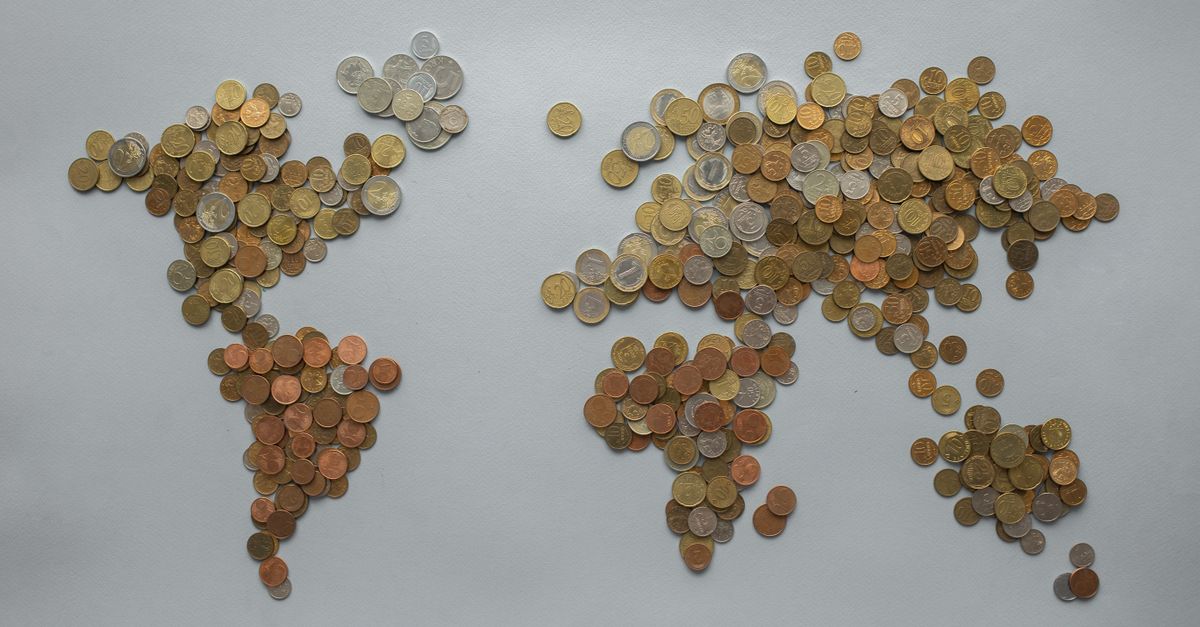
Inflation does not arise solely from internal demand or wage-driven forces. Open economies consistently take in price pressures generated abroad. Imported inflation emerges when rising costs of foreign goods and services, or changes in exchange rates and global supply dynamics, pass through into local prices. Grasping these mechanisms, circumstances, and policy consequences enables businesses, policymakers, and households to navigate risks and respond with greater effectiveness.
Primary pathways of imported inflation
- Exchange rate pass-through: When the domestic currency weakens, the local price of imported goods rises. Retailers, producers, and service providers sourcing inputs from abroad often pass higher import costs to consumers, raising headline inflation.
- Commodity and energy price shocks: Spikes in oil, gas, metals, or agricultural commodities set off immediate cost increases for transport, production, and food, affecting a broad set of domestic prices.
- Supply-chain bottlenecks and shipping costs: Disruptions such as port congestion, container shortages, or higher freight rates increase the landed cost of imports and intermediate goods, feeding into final prices.
- Tariffs, trade policy, and non-tariff barriers: New tariffs or trade restrictions directly raise the domestic price of affected imports; retaliatory measures can widen effects and shift global supply chains.
- Imported intermediate goods: If domestic producers rely on imported inputs, higher import prices raise production costs and can translate into higher consumer prices through second-round effects.
- Global inflation spillovers: When major trading partners experience inflation, their export prices rise. Through trade linkages, these higher prices can be transmitted across borders even without exchange rate moves.
How transmission operates in real-world scenarios
Imported price changes can affect consumer prices through several stages:
- Immediate pass-through to consumer goods that are directly imported (electronics, clothing, fuel).
- Higher import costs for producers of domestically sold goods that use foreign inputs; producer price inflation then moves toward consumer prices.
- Rising energy or food prices increase broad cost-of-living measures, influencing inflation expectations and wage negotiations, creating persistent domestic inflation.
The pace and extent of pass through are shaped by contract durations, competitive dynamics, pricing approaches, and the proportion of imports within both consumption and production.
Which groups are at the greatest risk?
- Small open economies with high import dependence are most vulnerable: they import a large share of consumption or inputs and have limited ability to substitute domestic goods quickly.
- Countries dependent on energy or food imports face disproportionate impact from commodity price swings.
- Economies with weak institutions or high inflation expectations can experience stronger second-round effects—wage-price spirals amplify imported shocks.
Historical and contemporary cases
- 1970s oil shocks: The oil price spikes of 1973 and 1979 escalated global energy and transport expenses, fueling widespread inflation across oil‑importing nations. These episodes demonstrate how commodity surges can directly transmit imported inflation.
- 2007–2008 commodity boom: Swift increases in oil and food prices intensified global inflationary strains and prompted many governments to adopt tighter monetary measures.
- COVID-19 and 2020–2022 supply disruptions: Worldwide lockdowns, halted production, and container shortages led to steep jumps in freight charges and delivery backlogs. From mid‑2020 through late‑2021, both container shipping costs and several commodity prices climbed sharply, driving up import expenses and feeding the rise in consumer inflation across numerous economies.
- Russia’s 2022 invasion of Ukraine: Interruptions in energy, fertilizer, and grain supplies pushed global prices upward, showing how external geopolitical conflicts can spill over into domestic food and energy inflation.
- Exchange-rate driven episodes: Nations facing abrupt currency depreciations—such as pronounced drops in various emerging‑market currencies during multiple periods—experienced faster imported inflation as the domestic cost of foreign goods increased, heightening internal price pressures.
Assessing inflation driven by imports
Key indicators to monitor include:
- Import Price Index — measures how the prices of goods and services sourced from overseas evolve over time.
- Terms of trade — expresses the relationship between export and import prices; when it worsens, it often signals stronger inflationary pressure from imports.
- Producer Price Index (PPI) and Consumer Price Index (CPI) decompositions — help analysts assess how imported products and energy components influence overall price movements.
- Exchange rates and freight indices — fluctuations in these metrics frequently act as early signals of shifts in imported cost burdens.
Policy responses and trade-offs
- Monetary policy tightening raises interest rates to anchor inflation expectations and curb demand, but cannot directly reverse cost-push shocks. Effectiveness depends on whether inflationary pressure is transitory or persistent.
- Exchange rate intervention and reserve use can temporarily stabilize the currency to limit pass-through, but they can be costly and unsustainable if underlying pressures persist.
- Targeted fiscal measures — temporary subsidies or tax relief on essential imports (fuel, food) can shield consumers short term, but they carry fiscal costs and may delay necessary price adjustments.
- Trade policy adjustments — reducing tariffs or expanding trade partnerships can lower import costs, while protective tariffs can worsen inflation if they raise costs of inputs or invite retaliation.
- Supply-side measures — diversifying suppliers, investing in domestic production of critical inputs, and improving logistics reduce vulnerability to foreign shocks over time.
Corporate and household strategies
- Hedging and forward contracting for exchange rates, commodities, and freight are used by firms to stabilize their input expenses.
- Inventory and procurement management — companies may rely on extended supply agreements or build strategic reserves of essential materials, which helps cushion brief surges but can raise overall costs.
- Pass-through management — businesses might absorb part of the rising expenses, streamline operations, or modify their product portfolio to protect their market position.
- Household budgeting — when import-related prices climb, consumers frequently reallocate spending toward non-tradeable services or more affordable alternatives.
Interplay with domestic inflation dynamics
Imported inflation can be the trigger for broader domestic inflation when it affects wages, broadens into non-tradable sectors, or alters inflation expectations. Policymakers must distinguish between temporary external shocks and sustained imported inflation that will require tighter policy. The degree of central bank credibility and labor market flexibility shapes whether imported shocks become entrenched.
Key takeaways
Imported inflation arises through exchange-rate movements, commodity price shocks, supply-chain disruptions, trade policy, and intermediate input linkages. The impact varies with economic structure, openness, and institutional resilience. Historical episodes—from oil shocks to pandemic-era supply constraints—demonstrate that external price surges can quickly become domestic headaches.
Effective response blends short-term mitigation (targeted fiscal relief, temporary interventions, corporate hedging) with medium-term resilience building (diversifying suppliers, strengthening logistics, maintaining credible monetary policy).
Policymakers and firms must act with clear diagnosis: treating a one-off supply shock with permanent policy tightening risks unnecessary costs, while underreacting to persistent imported inflation can erode purchasing power and expectations. The central insight is that in an interconnected world, domestic inflation policy increasingly requires a cross-border lens, integrating trade, currency, and supply-chain strategies to preserve price stability and economic well-being.