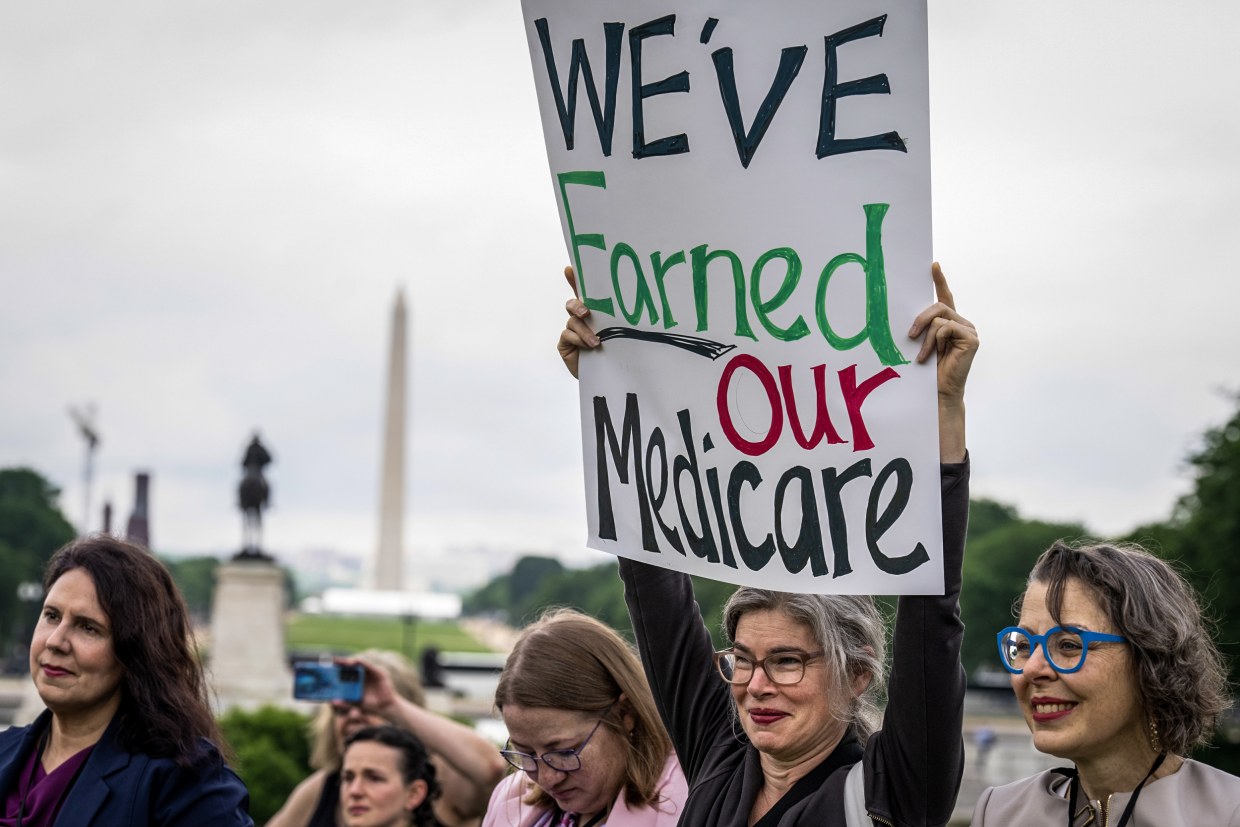
Medicare Part D premiums are on track to increase next year, a development that will impact millions of Americans relying on the program for prescription drug coverage. The projected premium hikes are driven by a complex interplay of factors, including the rising cost of medications, particularly high-priced specialty drugs, as well as changes in government support for the program. This trend underscores a continuing challenge in the healthcare landscape: balancing the need for innovative, often expensive, treatments with the goal of keeping healthcare and insurance costs affordable for a vulnerable population.
One of the primary drivers of the anticipated premium increases is the escalating cost of prescription drugs. As new and highly specialized medications, such as GLP-1 drugs for diabetes and weight loss or cutting-edge gene therapies, enter the market, they bring with them a hefty price tag. These specialty drugs, while potentially life-changing for patients, have a significant impact on the overall costs for Part D plans. The insurers who sponsor these plans must then adjust their premiums to cover these rising expenses, a cost that is ultimately passed on to beneficiaries.
The Inflation Reduction Act (IRA), while designed to lower drug costs in the long run by allowing Medicare to negotiate prices for certain drugs, is also a contributing factor to the near-term premium shifts. The law’s changes to the Part D benefit design, including the introduction of a new annual out-of-pocket spending cap, have shifted more of the financial responsibility for drug costs onto the plan sponsors. This increased liability for insurers is reflected in their premium bids for the upcoming year, which are subsequently approved by the Centers for Medicare & Medicaid Services (CMS).
Another key factor is the reduction in government support for a program designed to stabilize Part D premiums. A premium stabilization demonstration, which provided a subsidy to stand-alone drug plans (PDPs) in the previous year, is being scaled back. This reduced support means that the plans will have less of a financial cushion to absorb rising costs, which could lead to a more significant premium increase for individuals enrolled in these plans. This is particularly concerning for those who rely on traditional Medicare and get their drug coverage through a separate PDP.
The convergence of these elements—increasing medication expenses, alterations from the Inflation Reduction Act, and decreased governmental assistance—results in a difficult scenario for both insurance providers and recipients. These modifications underscore the complex economic workings of the Medicare program and the careful equilibrium necessary to keep it sustainable. For individuals relying on a fixed income, even a minimal rise in premiums can significantly affect their financial situation. Consequently, it is more important than ever for Medicare recipients to thoroughly assess their plan choices during the forthcoming open enrollment period.
The anticipated premium increases for Medicare Part D in the next year stem from a complex and evolving situation that has been unfolding over time. Although the exact dollar amounts for individual plan premiums are not yet determined, the Centers for Medicare & Medicaid Services (CMS) has already announced the national average monthly bid amount, an important figure used to compute the government’s contribution for plans, which has experienced a notable rise. This upward trend in bids from private insurers indicates that beneficiaries might see their out-of-pocket expenses climb unless they actively search for a new plan during the open enrollment period. The average monthly bid proposed by insurers for the 2026 prescription drug plans rose by a significant percentage from the previous year, based on recent data from CMS. This increase directly mirrors the escalating costs insurers anticipate, setting the stage for the higher premiums that will be presented to the public.
An essential factor in this situation is the Inflation Reduction Act (IRA), a significant piece of legislation affecting the Part D program in two ways. Firstly, the most notable feature of the law, which allows Medicare to negotiate the cost of a limited range of medications, is set to start taking effect next year. The expected outcome of these newly negotiated “maximum fair prices” for a select group of expensive drugs is to provide savings for both recipients and the program eventually. On the flip side, the IRA has also introduced a major overhaul of the Part D benefit structure, with immediate monetary impacts on the private insurers who operate these plans. The legislation has shifted a larger portion of the financial responsibility for expenses in the catastrophic coverage stage onto the plan providers, rather than the government. While this adjustment safeguards patients from extremely high direct expenses, it has increased the financial accountability for insurers. To address this heightened risk, insurers are raising their premium proposals, a reasonable reaction that is now echoing through the system.
Moreover, the Part D Premium Stabilization Demonstration, a temporary initiative designed to facilitate the shift to the new IRA-required benefit framework, is being reduced in scope. In its first year, this program offered a consistent $15 reduction to the base premium for beneficiaries in participating independent drug plans (PDPs). For the next year, though, this discount is decreasing to $10. Furthermore, the limit on annual premium hikes for these plans is increasing from $35 to $50. These adjustments indicate a return to typical market conditions and a reduction of government-led stabilization measures. While this might be necessary for the program’s future stability, its immediate consequence is diminishing the financial cushion that previously controlled premiums, likely leading to higher costs for beneficiaries.
Beyond the policy-driven changes, the underlying medical cost trend continues to be a powerful force. This is not just about a few expensive drugs; it’s about a widespread increase in healthcare prices, including the costs of medical services, labor, and new technologies. The rising cost of high-demand medications like GLP-1 drugs for diabetes and weight management is a particularly potent factor. As more people are prescribed these and other specialty drugs, the aggregate cost to Part D plans skyrockets. Insurers, in turn, are forced to adjust their premiums to keep up. The healthcare ecosystem is not immune to general inflation, and these economic pressures are inevitably passed on to consumers in the form of higher premiums and other out-of-pocket costs.
Upcoming premium hikes also underscore an important distinction within the Medicare system: the contrast between stand-alone prescription drug plans (PDPs) and prescription drug coverage that is part of Medicare Advantage plans (MA-PDs). The Part D Premium Stabilization Demonstration was specifically directed at PDPs, which beneficiaries using Original Medicare rely on. On the other hand, Medicare Advantage plans, managed by private firms, often leverage savings from their medical benefits to counterbalance drug expenses, leading to lower or sometimes even zero-dollar premiums. This dynamic can lead to a notable difference in premiums between the two plan types, a divide that may grow in the coming year. For individuals covered by traditional Medicare, this makes the annual open enrollment period an even more crucial opportunity to explore and evaluate plans, as continuing with their existing PDP might lead to a substantially larger increase in premiums than anticipated.
In light of these anticipated changes, beneficiaries must be proactive. The fall open enrollment period is not just a formality; it is a vital opportunity to re-evaluate their coverage. Factors to consider include not only the monthly premium but also the deductible, coinsurance, and copays, as these are also projected to increase. The annual out-of-pocket spending cap will also rise slightly from $2,000 to $2,100, meaning beneficiaries with high drug costs will have to spend more before their costs are eliminated. All these interconnected changes require a careful, informed approach to plan selection. Tools and resources from CMS and other non-profit organizations are available to help individuals navigate this complex landscape.
The projected increases in Medicare Part D premiums are the result of a confluence of factors: the scaling back of premium stabilization programs, the immediate financial shifts caused by the Inflation Reduction Act’s benefit redesign, and the ever-present pressure of rising drug and healthcare costs. While the IRA’s long-term goal is to make prescription drugs more affordable, its initial implementation has created a period of financial adjustment for the private insurers who administer the Part D program, a cost they are passing on to beneficiaries. For the millions of Americans who depend on this program, the message is clear: vigilance and careful planning during open enrollment will be essential to manage these rising costs and ensure they have the coverage they need without undue financial stress.