During the 1990s, the realm of theatre experienced a significant transformation, heavily shaped by Sarah Kane’s plays. Celebrated for her unflinching and honest depiction of human pain, Kane’s work defied traditional norms, questioned societal standards, and resonated powerfully within the theatrical community. Her dramas, which delved into themes of brutality, hopelessness, and psychological torment, sparked debate and represented a pioneering level of artistic creativity. As a key figure among her contemporaries, Sarah Kane not only redefined theatre’s perception but also its emotional and intellectual influence on viewers.
Kane’s emergence onto the theatre scene was nothing short of revolutionary. Before her work began to resonate in the early 1990s, British theatre was often characterized by a focus on realism and social drama, themes tied closely to the traditions of the post-war era. Yet, in her short career, Kane would redefine the form, pushing boundaries with every play. Her works are often described as challenging, confronting, and deeply unsettling, yet they possess an undeniable emotional power. In a time when theatre was often concerned with representing everyday life and politics, Kane shifted the focus to the inner turmoil of the human psyche, exploring intense emotional landscapes that many had previously avoided.
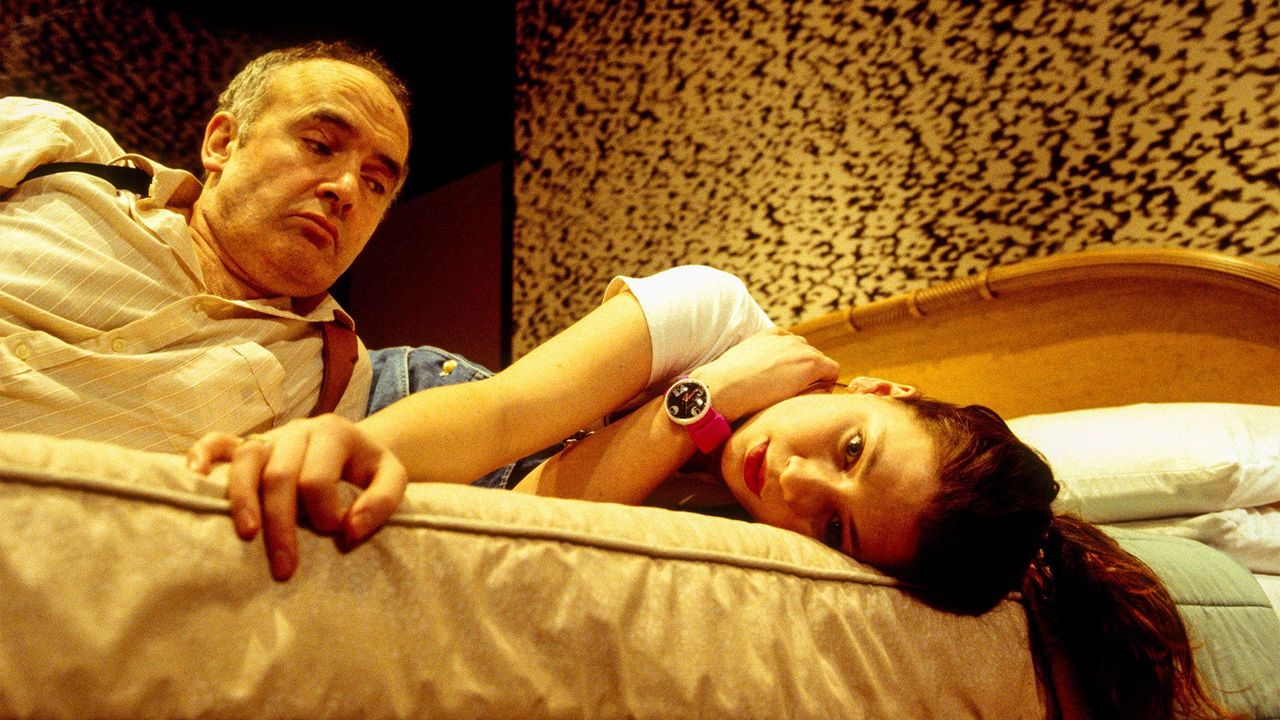
Kane’s first major success, Blasted (1995), marked a defining moment in contemporary British theatre. The play, which opened at the Royal Court Theatre, was met with shock, outrage, and critical acclaim. Its portrayal of graphic violence, both physical and sexual, struck a nerve with audiences and critics alike. Critics were divided, with some hailing Kane as a genius who had captured the darkest aspects of human nature, while others condemned the play as gratuitous and destructive. Regardless of the reception, Blasted was a game-changer, opening doors for new forms of expression within the theatre.
The controversy surrounding Blasted was not simply about the shocking content but also about its raw honesty. Kane refused to sanitize or romanticize her characters’ experiences, choosing instead to present them in their most vulnerable and broken states. This unflinching portrayal of human pain and the rejection of traditional forms of narrative structure set her apart from her contemporaries and firmly established her as a voice that could not be ignored. Critics noted that her work was not designed to comfort but to confront, creating an experience that was deeply visceral and left many in the audience questioning their own perceptions of morality and humanity.
Following Blasted, Kane’s subsequent works further pushed the boundaries of what was acceptable in theatre. Her plays often involved minimalist settings, fragmented dialogue, and abstract forms that eschewed traditional narrative techniques. In Phaedra’s Love (1996), Kane reimagined the Greek tragedy, centering on a character driven by obsessive, destructive lust. Here, she explored the darker aspects of human desire and the power of unbridled emotion. The play’s portrayal of sexual obsession and violence again attracted critical debate, but it reinforced Kane’s belief in the importance of exploring taboo subjects through theatre.
Her 1998 piece, Crave, showcased a further shift from the usual. As a stark and poetic work, Crave lacked a conventional storyline or linear sequence. Rather, it was composed of fragmented monologues depicting the disconnected inner worlds of its characters. These voices, symbolizing longing, loss, and emotional turmoil, resonated with a generation navigating the intricacies of contemporary life in a postmodern era. The play’s abstract style was unsettling to some, but it also provided a new, emotionally powerful view on the experience of isolation and desire.
Perhaps one of the most defining aspects of Kane’s work is its unapologetic intensity. Where many playwrights of the time sought to entertain or offer social commentary in more palatable ways, Kane’s plays demanded that audiences reckon with the most uncomfortable aspects of the human condition. Her willingness to dive into the extremes of human suffering was not an act of nihilism but rather a method of exploring the boundaries of human endurance and emotion. Through her work, she raised questions about the fragility of the human spirit and the capacity for both destruction and resilience.
Kane’s tragic death in 1999 at the age of 28 marked a profound loss for the world of theatre. Despite her brief career, her legacy remains influential, and her work continues to resonate with playwrights and theatre-makers. Her exploration of violence, mental illness, and the human psyche laid the groundwork for future generations to explore these themes with greater depth and honesty. Kane’s unique voice in theatre became a touchstone for playwrights who sought to push beyond the conventions of realism and explore the emotional and psychological extremes of their characters.
One of the most enduring effects of Sarah Kane’s dramas is their capacity to evoke intense emotional reactions. Through astonishment, unease, or marvel, her productions persist in defying the audience’s anticipations of theatrical possibilities. During the 1990s, amid swift global transformations, Kane’s dramas provided a reflection of society’s more somber elements, compelling spectators to face unsettling realities about human existence.
The influence of Kane’s creations reached well past her own era. Playwrights, directors, and performers who engaged with her productions frequently reevaluated how theatre might be leveraged to delve into the toughest facets of existence. Her contribution to modern drama is immense, as she transformed the dialogue about the purpose of performance in tackling controversial topics. Kane’s enduring legacy is felt within the theatrical circle and beyond, as her artistic contributions continue to motivate daring, uncompromising art that explores challenging inquiries about the human experience.
Sarah Kane’s theatrical works were not just provocative; they were groundbreaking. By moving away from conventional structures and questioning the norms of her era, she permanently changed the realm of modern theatre. Although her life was sadly brief, her creations remain as proof of art’s ability to challenge, unsettle, and finally change how we perceive ourselves and one another. Ultimately, Kane’s creations made a significant impact during the 1990s, not due to their intensity, but because they provided a novel perspective on viewing the world—one that required sincerity, openness, and emotional richness.