The Bahamas navigating the balance between tourism and marine conservation
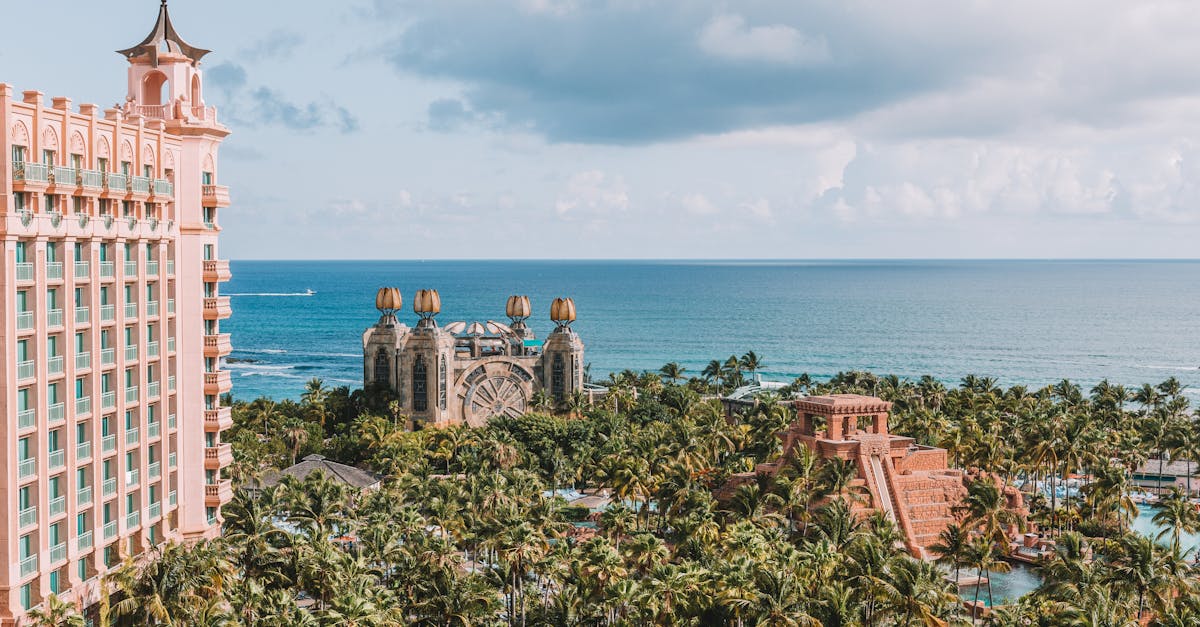
The Bahamas is a nation whose economy and identity are deeply entwined with coastal landscapes, coral reefs, mangroves, seagrass beds and clear blue water. Tourism—luxury resorts, dive operators, charter boats and small islands welcoming independent travelers—generates a major share of national income and employment. That economic dependence creates both vulnerability and opportunity: coastal development, pollution, overfishing and climate-driven coral bleaching threaten the natural assets that attract visitors, while tourism revenue and private-sector reach can be mobilized for conservation through corporate social responsibility (CSR) and citizen science.
Key threats to beaches and marine ecosystems
- Coastal erosion and development pressure: beachfront construction and hard infrastructure can accelerate erosion, disrupt dune systems and destroy turtle nesting habitat.
- Pollution and sewage: inadequate wastewater treatment and single-use plastics impair water quality, degrade coral health and harm marine life.
- Overfishing and illegal harvest: depletion of key species such as queen conch, spiny lobster and groupers reduces ecosystem resilience and fisheries value.
- Climate change: warming, acidification and more intense storms drive coral bleaching, seagrass loss and shoreline damage.
Why CSR from tourism businesses matters
Tourism operators and resorts touch guests, supply chains and local labor markets. Well-designed CSR programs can:
- Reduce negative onsite impacts (waste, energy, water, shoreline alteration).
- Channel funding and volunteer capacity into conservation projects.
- Engage guests as active stewards through hands-on conservation experiences.
- Improve the resilience and long-term viability of tourism by safeguarding natural capital.
Citizen science serving as a link that connects tourism, local communities, and scientific inquiry
Citizen science enables non-scientists—resort staff, volunteers, guests and local fishers—to collect useful data under scientific protocols. In the Bahamas, typical citizen science activities include:
- Beach and reef monitoring: conducting transect observations, documenting reef condition through photographic evaluations, and recording coral bleaching with standardized tools such as CoralWatch color charts.
- Species counts: carrying out fish assessments aligned with REEF-style methods, performing conch and lobster spot surveys, and tracking seabird numbers.
- Turtle nesting programs: identifying nests, assisting with tagging efforts, and monitoring hatchlings, tasks managed by trained volunteers and resort staff.
- Marine debris logging: organizing beach cleanups, classifying collected items, and submitting data to international systems like the Ocean Conservancy’s datasets and local databases.
Representative cases and initiatives
- Exuma Cays Land and Sea Park: recognized as one of the area’s earliest no-take marine reserves, it illustrates how protected zones can foster the rebound of fish populations and reef ecosystems, while offering a foundation for dive operators and citizen scientists to track long-term shifts in coral health and fish biomass.
- Andros community conservancies: community-based groups and local trusts on Andros Island integrate mangrove and blue hole preservation with monitoring initiatives that engage tourism guides and fishers, strengthening compliance efforts and enhancing data gathered on mangrove coverage and juvenile fish habitats.
- Resort-led coral nursery and turtle programs: several leading resorts in the Bahamas maintain on-site coral nurseries, conduct shoreline turtle nest surveys and provide structured opportunities for guest participation. These initiatives frequently train staff, supply coral fragments for outplanting and record findings within national databases or partner NGO platforms.
- National and NGO partnerships: joint efforts linking the Bahamas National Trust with universities, local NGOs and international bodies reinforce unified marine monitoring standards, build technical capacity and establish data-sharing systems that rely on contributions from citizen scientists.
Measurable outcomes and evidence of impact
Results that CSR and citizen science have produced in similar island contexts—and are now contributing more frequently to Bahamian projects—include:
- Enhanced data accessibility: volunteers contribute vast records on coral bleaching, wildlife encounters, and debris, allowing managers to react more swiftly.
- Assistance for local enforcement: evidence gathered by community members helps uphold marine protected area regulations or temporary fishery closures.
- Ecosystem recovery efforts: coral pieces transplanted from nurseries and dune vegetation plantings reinforce coastlines and revive nesting zones.
- Greater public awareness and shifts in behavior: visitors and staff engaged in citizen science frequently embrace lower-plastic habits and offer financial or political backing for conservation.
How to craft impactful tourism CSR initiatives connected to citizen science
Effective programs tend to exhibit a range of common design characteristics:
- Scientific rigor: use standardized protocols and simple training so data are reliable and useful for managers and researchers.
- Local partnership: co-design with local NGOs, community leaders and fisheries managers to address priority needs and ensure benefit sharing.
- Guest engagement that educates: offer short, well-structured experiences for visitors that pair hands-on work with interpretation so participants leave with a deeper understanding.
- Staff capacity building: train resort staff as long-term monitors, guides and data stewards to maintain continuity beyond guest visits.
- Open data and feedback loops: share results publicly and show how citizen-collected data influence policy, enforcement or restoration choices.
- Integrated sustainability: connect citizen science to broader waste, water and energy reduction strategies so CSR addresses both symptoms and causes.
Challenges and how to overcome them
- Data quality concerns: address them by applying straightforward protocols, organizing regular training refreshers and conducting scheduled expert reviews or audits.
- Volunteer turnover: maintain continuity by preparing staff to act as long-term monitors and by providing returning volunteers with meaningful incentives.
- Uneven benefit distribution: make sure local communities gain fair access to jobs, skills development and shared revenue so conservation efforts remain socially balanced.
- Greenwashing risk: match CSR initiatives with clear conservation metrics, independent assessments and open reporting to prevent superficial commitments.
What success looks like for the Bahamas
Success for Bahamian tourism CSR tied to citizen science can be summarized as:
- Resilient beaches and nesting habitats preserved through revitalized dunes, nature-driven shoreline practices and lower coastal runoff.
- More robust and consistently enforced marine protected areas guided by ongoing, inclusive monitoring efforts.
- Rejuvenated coral and seagrass sites expanded via coordinated nursery systems, community outplanting initiatives and mitigation of nearby stressors.
- A well-prepared tourism workforce and engaged visitors providing dependable data, backing science-led policies and sustaining livelihoods tied to thriving ecosystems.
Concrete actions that businesses and stakeholders can take next
- Assess environmental effects: measure waste generation, wastewater output, shoreline modifications and guest behaviors that influence nearby ecosystems.
- Collaborate with reputable scientific groups: implement proven citizen science methods and data systems to maintain usefulness.
- Allocate resources to team training: build dedicated monitoring units and assign staff time for conservation-focused duties.
- Enhance guest engagement: offer concise, skills-oriented activities with clear conservation benefits and meaningful data input.
- Communicate with clarity: release CSR results linked to ecological metrics such as nest counts, coral outplants, debris cleared or shifts in fish populations.
Engaging tourists, resorts and local communities in well-designed citizen science produces a virtuous cycle: better data leads to better management, which maintains the natural attractions that underpin the tourism economy. When CSR prioritizes measurable conservation action, local livelihoods, and rigorous community-science collaboration, the Bahamas can protect shorelines and marine life while offering authentic, educational visitor experiences that reinforce long-term sustainability.