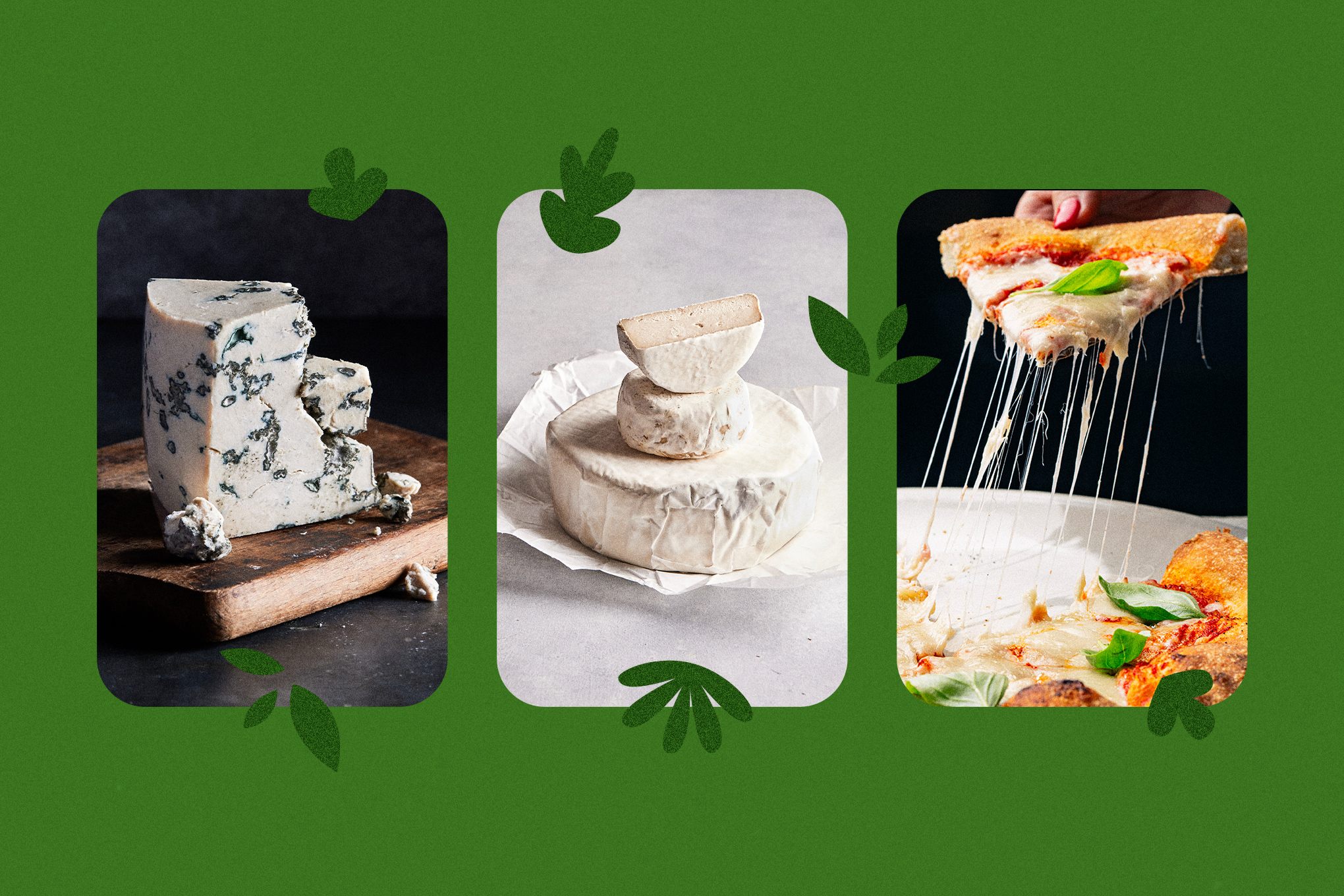
Cheese, with its deep cultural roots and sensory appeal, has long held a cherished place in diets around the world. Whether melted over pizza, paired with wine, or sliced onto a sandwich, it is one of the most beloved food items globally. But a quiet revolution in food science is introducing a new way to produce this familiar product—without the cow. Lab-grown, or more precisely, precision-fermented cheese is poised to enter the marketplace. Yet the key question remains: will consumers accept it?
Unlike plant-based cheeses that rely on nuts, oils, and starches to mimic texture and flavor, lab-grown cheese is created using the same proteins found in traditional dairy. Through a process known as precision fermentation, scientists program microorganisms like yeast to produce casein and whey, the essential proteins in milk. These proteins are then combined with fats and other ingredients to create a product that aims to replicate conventional cheese not just in taste and texture but also in meltability and nutritional value.
This technological development is part of a larger shift within the food industry, where sustainability, ethics, and innovation converge. Lab-grown cheese—often grouped under the category of animal-free dairy—offers the promise of reducing greenhouse gas emissions, conserving water, and eliminating the need for animal agriculture. According to researchers and companies pioneering the technology, these benefits could position lab-made dairy as a viable alternative to traditional production methods, particularly as global demand for dairy continues to rise.
Even though it holds a lot of potential, the journey toward broad consumer approval might not be simple. Food is tied to tradition and perception just as much as it is to what goes into it. Studies have indicated that although consumers who care about the environment and health show interest in lab-cultivated foods, a significant number are still reluctant, particularly when production techniques seem strange or excessively technical. Terms such as “engineered,” “synthetic,” or “fermented by microbes” might inadvertently evoke thoughts of artificial processes—even if the science supporting them is reliable and secure.
One of the most important elements in overcoming skepticism will be education. Industry experts and food scientists agree that consumers need clear, transparent information about how lab-grown cheese is made, what it contains, and how it compares nutritionally and environmentally to traditional dairy. For many, understanding that precision fermentation has been safely used for decades—for example, in the production of insulin or rennet for cheese-making—can help normalize the idea.
Another possible benefit is the allergen-free nature of lab-produced dairy. As the method does not use animal milk, it creates opportunities for lactose-free or cow-free dairy items that maintain the complete protein composition and functional traits of conventional cheese. This might be especially significant for people with lactose intolerance, dairy allergies, or ethical issues relating to animal welfare.
Taste, of course, will be the ultimate deciding factor. While plant-based cheeses have made progress, many consumers still report that they fall short in flavor and texture. Lab-grown cheese, by reproducing the exact dairy proteins responsible for cheese’s stretch, melt, and mouthfeel, aims to close that gap. Some early testers of prototype cheeses created using precision fermentation have noted impressive results, with products closely mimicking cheddar, mozzarella, and cream cheese in both form and flavor.
The legal environment will significantly impact how swiftly lab-cultivated cheese becomes available in supermarkets. In the United States, businesses need to go through the safety evaluation process of the Food and Drug Administration (FDA). Several animal-free dairy proteins have been granted “Generally Recognized as Safe” (GRAS) status, allowing their use in commercial food manufacturing. Nonetheless, every new product and composition demands thorough examination, especially when unveiling new components to consumers.
Meanwhile, labeling remains a contentious issue. Traditional dairy producers argue that terms like “milk” or “cheese” should be reserved for products derived from animals. In contrast, advocates for lab-grown dairy believe that familiar language helps consumers understand the product category and its intended use. Ongoing debates over terminology may shape not only how these products are marketed, but how they are perceived.
Worldwide, several startups have initiated small-scale releases of lab-created dairy items in certain regions, typically teaming up with eateries or niche vendors. These carefully planned launches provide businesses an opportunity to collect opinions, improve their recipes, and assess customer interest prior to pursuing widespread distribution. As the industry grows with new entrants, competitiveness may foster innovation and help reduce costs to match those of conventional cheese—presently one of the main challenges to accessibility.
Additionally, there is a wider philosophical discussion developing concerning the emergence of synthetic biology in the food industry. Some individuals view lab-created products as a positive step forward towards a more sustainable and ethical food system. However, others are worried about issues such as corporate dominance over food supply, possible health repercussions, and the decline of conventional agricultural methods. These viewpoints will undoubtedly influence public conversation as lab-produced foods become increasingly prevalent.
Even with these challenges, the drive for lab-cultivated cheese is gaining strength. Bolstered by venture investment and advanced technological innovations, the sector is shifting from a research idea to a marketable product. In this evolution, it prompts both manufacturers and buyers to reconsider the essence of “authentic” food, the ways we sustain a burgeoning global population, and the principles we prioritize in our dietary choices.
At this moment, it remains unclear if cheese produced in a laboratory will become a common part of daily meals. This will largely hinge on factors such as openness, cost-effectiveness, and its ability to satisfy the taste preferences of selective cheese enthusiasts. However, one certainty is that the future of cheese—and the food industry in general—is broadening in directions that would have been unimaginable just ten years ago.
As lab-grown cheese begins to appear on menus and, eventually, supermarket shelves, the decision to embrace it will rest not just on facts or figures, but on emotion, tradition, and trust. The challenge for this new frontier in food is not just creating something scientifically sound—but making it culturally accepted, culinarily satisfying, and undeniably delicious.