As the world moves further into 2025, the mental health industry is experiencing robust growth driven by increasing societal awareness, technological advances, and shifting workplace expectations. In this evolving landscape, several business models are thriving, addressing unique population needs and leveraging new modalities. This article explores the sectors at the forefront, offering data-driven insight, case studies, and real-world examples for a comprehensive understanding of where demand and innovation are converging.
1. Online Therapy Services
Before 2020, teletherapy was already gaining traction, but its demand has since surged at an unprecedented pace. By 2025, platforms providing video, phone, and asynchronous messaging therapy have not only achieved widespread acceptance but have also expanded their service portfolios. The American Telemedicine Association reports that the virtual mental health services market is expected to exceed $35 billion by the close of 2025.
For instance, firms such as Talkspace and BetterHelp have observed a 45% annual growth in their user numbers. Emerging competitors distinguish themselves by offering AI-powered therapy matching, diverse language therapist networks, and subscription plans designed for both personal use and corporate well-being initiatives.
2. Digital Mental Health Apps and AI Chatbots
Mental health services delivered via applications are experiencing rapid growth, addressing concerns such as anxiety, depression, sleep disturbances, and general resilience. These applications integrate cognitive behavioral therapy components, guided meditation, mood monitoring, and AI-driven chatbots to deliver tailored support.
Data from Sensor Tower indicates that downloads of mental wellness apps increased by nearly 60% over the past year, with apps such as Headspace, Calm, and Woebot leading the market. What sets 2025 apart is the integration of large language models, delivering context-aware support and crisis intervention. Clinical validation is now more prevalent; for example, Wysa received FDA Breakthrough Device Designation for its AI chatbot assisting depression management.
3. Mental Well-being in the Workplace and Employee Support Initiatives (EAPs)
The “great resignation” and ongoing workplace transformation have prompted companies to proactively invest in employee well-being. The fastest-growing businesses in 2025 are those supplying comprehensive EAPs, on-demand therapy, and mental resilience training. According to Deloitte’s 2024 Global Human Capital Trends report, employers allocating at least 2% of their HR budget to mental health saw a 31% improvement in retention and a 26% boost in productivity.
Firms such as Lyra Health, Modern Health, and Spring Health have expanded beyond therapy referrals to offer onsite counseling, leadership training, digital support groups, and integration with health insurance. Their services are now considered critical recruiting tools across industries.
4. Mental Health Services Focused on Adolescents and Youth
The youth mental health crisis has driven a need for services specifically designed for adolescents and young adults. New companies are creating platforms that integrate peer assistance, family guidance, and collaborations with educational institutions. Investment from venture capitalists in this specialized area has increased threefold since 2022, indicating society’s recognition of how crucial early intervention is.
A notable instance is the emergence of technology-driven entities such as Daybreak Health, which collaborates with school districts to provide online counseling, parent seminars, and mental health assessment instruments. Similarly, platforms like TeenCounseling have experienced a significant increase in subscription numbers from families looking for specialized support for teenagers.
5. Clinics Offering Psychedelic-Assisted Therapy
Breakthroughs in mental health treatments using psychedelics, such as ketamine, psilocybin, and MDMA, have catalyzed a new niche in mental health business. The regulatory landscape has evolved, with several jurisdictions relaxing restrictions and issuing treatment licenses. Investment bank Canaccord Genuity estimates a $7 billion market by 2027 for clinic-based psychedelic therapy.
Among the operators are Field Trip Health, MAPS Public Benefit Corp, and Nushama, providing closely supervised, lawful psychedelic treatment for conditions such as depression, PTSD, and anxiety related to end-of-life. Numerous clinics integrate conventional psychotherapy with regulated psychedelic dosing, noting significant symptom alleviation in individuals for whom conventional therapies proved unsuccessful.
6. Virtual Reality (VR) and Immersive Therapeutic Solutions
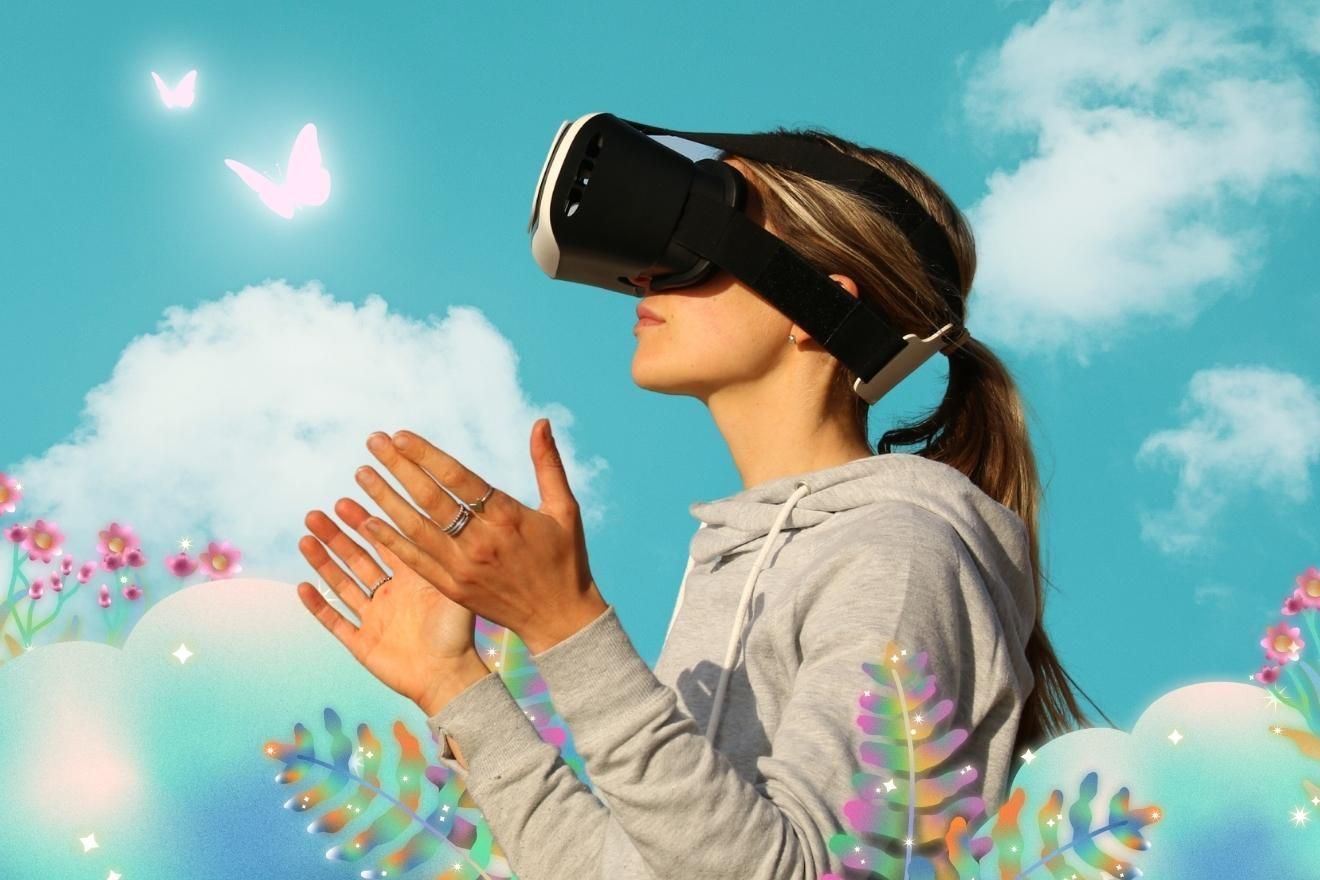
The integration of VR technologies in exposure therapy, relaxation training, and social anxiety interventions is gaining momentum. VR platforms simulate personalized, controlled environments, from public speaking venues to flying, enabling therapists to conduct targeted desensitization from anywhere in the world.
2025 has seen companies like Limbix, Oxford VR, and XRHealth expand into hospital partnerships and home-based rentals. Research published in JMIR Mental Health found VR-aided anxiety intervention can reduce symptoms by up to 40%, making it a compelling addition to traditional therapy.
7. Specialized Counseling and Culturally Sensitive Support
As population diversity grows, businesses providing culturally responsive mental health care are thriving. Platforms like Therapy for Black Girls, Latinx Therapy, and Pride Counseling focus on serving specific communities, ensuring clients find therapists who understand their cultural context and unique needs.
Demand for such services has doubled within three years, with client surveys indicating better engagement, higher treatment adherence, and improved outcomes. These platforms also invest in education, webinars, and bespoke resource libraries, fostering inclusive mental health ecosystems.
8. On-Demand Crisis Intervention and Peer Support Networks
Crisis support no longer relies solely on traditional hotlines. Businesses now leverage real-time chat, video support, and peer network platforms to deliver rapid intervention for those in distress. Innovations include anonymous group rooms and in-app safety planning.
Organizations such as Crisis Text Line and 7 Cups employ volunteers who are trained and supervised by mental health professionals to engage with thousands of individuals each night. Their scope has been broadened through collaborations with public bodies and incorporation into wider wellness applications, providing prompt support and lowering obstacles to obtaining urgent mental health services.
9. Remote Psychiatric Medication Management and Prescription Services
Telepsychiatry services, which provide digital assessment, diagnosis, and continuous medication management, have become widespread, particularly for ailments like ADHD, depression, and anxiety. These companies enhance access to care, resolve local provider deficits, and provide automated systems for refills and follow-ups.
Cerbo, Minded, and Brightside are examples of platforms whose growth was buoyed by regulatory waivers and increased insurer acceptance of remote prescribing. Patient polls reflect high satisfaction due to reduced wait times and the convenience of asynchronous check-ins.
Strategic Shifts and Responsible Growth in 2025
The thriving mental health industry landscape in 2025 demonstrates a more profound comprehension of the complex aspects of mental well-being. Triumphant narratives integrate technology, ease of access, and tailored approaches, while emerging enterprises are those that reconcile swift expansion with clinical precision, moral protections, and quantifiable results. Public discourse is progressively moving away from prejudice and seclusion towards comprehensive wellness, influenced by daring innovators and cooperative ventures spanning healthcare, learning, and professional environments. This progression suggests that mental health support has become a fundamental component of contemporary existence, with novelty and broad participation dictating the rhythm for the coming ten years.