

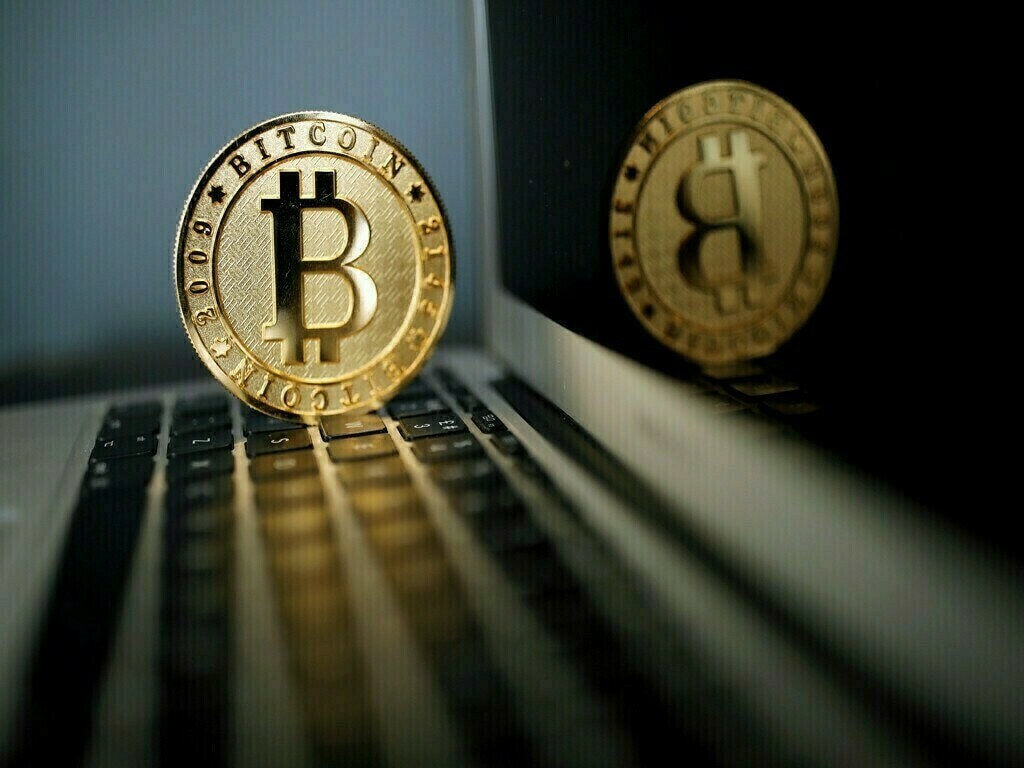
Bitcoin has reached a new all-time high, climbing above the $120,000 mark for the first time in its history. The digital asset, often seen as a barometer for the broader cryptocurrency market, continues to draw strong interest from institutional and retail investors alike, propelled by a mix of market optimism, macroeconomic factors, and increasing mainstream acceptance.
This latest surge in value marks a significant moment for Bitcoin, which has seen its price fluctuate dramatically over the years. From early skepticism and regulatory pushback to its current standing as a widely traded financial asset, Bitcoin’s journey has been anything but conventional. The breach of the $120,000 threshold signals not only the resilience of the cryptocurrency but also its evolving role in global finance.
Market experts link this positive trend to a variety of intersecting factors. A crucial element is the rising involvement of institutions. Prominent financial entities, fund administrators, and even retirement funds are beginning to dedicate sections of their portfolios to digital currencies, seeing them as protection against inflation and a possible avenue for prolonged profits. This surge in acceptance has contributed to making Bitcoin more credible to previously cautious investors who had been hesitant to engage.
Another element driving the upward trend is the current transformation in worldwide financial policy. In a setting where borrowing costs stay comparatively low and central banks continue with supportive measures, investors are looking for different assets that provide the possibility of greater returns. Bitcoin, with its limited supply and decentralized characteristics, has emerged as an appealing choice in this scenario.
At the same time, technological improvements within the cryptocurrency ecosystem have played a role in reinforcing investor confidence. Upgrades to the Bitcoin network, the growth of second-layer solutions, and the continued expansion of crypto-related infrastructure have all contributed to a more mature and accessible market. Platforms offering secure custody, regulated trading environments, and institutional-grade services have made it easier for large-scale investors to enter and remain in the space.
Public opinion has evolved over the past few years. Bitcoin is not merely seen as a speculative item or niche hobby anymore; it is progressively being included in discussions regarding financial innovation, digital advancement, and global economic patterns. High-profile endorsements, wider media exposure, and participation from leading technology firms have all contributed to enhancing its visibility and credibility.
Despite the excitement, some caution remains. Cryptocurrency markets are known for their volatility, and price corrections can be sharp and sudden. Regulatory developments, particularly in major economies like the United States, the European Union, and China, continue to influence sentiment. Policymakers are still grappling with how to balance innovation with consumer protection, financial stability, and anti-money laundering concerns.
There is an active discussion concerning the energy use of Bitcoin, which has faced criticism from environmental organizations and examination by governmental bodies. Nonetheless, initiatives are being implemented to mitigate these issues, such as employing renewable energy sources for mining activities and investigating more energy-conserving blockchain advancements.
For those holding onto their assets for an extended period, reaching the $120,000 mark serves as a confirmation of their investment belief. Numerous early supporters have claimed that Bitcoin’s limited supply and detachment from conventional financial institutions would ultimately result in wider acceptance and increased valuations. As Bitcoin reaches this new price zone, their forecasts are becoming more consistent with the actual market conditions.
Considering the future, Bitcoin’s path forward will probably be influenced by a mix of elements: ongoing acceptance by institutions, changing regulatory landscapes, and the asset’s capacity to stay pertinent as it faces increasing competition from other digital currencies and technological advancements. Ethereum, along with other altcoins, is garnering attention, especially due to its smart contract functionalities and decentralized finance uses.
Even with these variables, Bitcoin’s latest price achievement underscores its staying power. What began as a peer-to-peer electronic cash experiment has now become a fixture in financial markets, capable of influencing broader conversations about money, value, and trust in the digital age.
As observers and financial experts keep a close eye on future developments, the impact of Bitcoin’s ascent transcends price graphs. This landmark signifies a change in the perception and storage of value in today’s economy. Regardless of whether this climb maintains momentum or stabilizes, Bitcoin has already transformed the financial environment—gradually, block by block.




.jpg "Buying a Home in Cap Cana")