Our website uses cookies to improve and personalize your experience and to display advertisements (if any). Our website may also include third-party cookies such as Google Adsense, Google Analytics, and YouTube. By using the website, you agree to the use of cookies. We have updated our Privacy Policy. Click the button to view our Privacy Policy.

Avatar photo

James Whitaker

55 Posts
Body recomposition: how to track progress without obsession

How to Track Body Recomposition Progress Mindfully

Body recomposition refers to altering the balance between fat and lean tissue by shedding fat while building or maintaining muscle. Rather than focusing on simple weight reduction, this process demands coordinated nutrition and training, and its results can appear subtle. Monitoring progress is crucial because isolated measurements can mislead, while consistent trends expose genuine improvements. When applied effectively, tracking informs adjustments and strengthens motivation; when mishandled, it can devolve into an obsessive habit that undermines results.Core principles for non-obsessive trackingMeasure trends, not daily values. Weight, circumference, and mood fluctuate. Use weekly or biweekly averages to identify real shifts.Use multiple metrics.…

Read More
The ROI Imperative: Procurement’s New Contract Standard

The ROI Imperative: Procurement’s New Contract Standard

Procurement teams across multiple sectors are examining purchasing choices with unprecedented rigor, driven by a straightforward yet compelling motive: organizations demand demonstrable value. As financial constraints tighten, market conditions shift, and executive oversight intensifies, procurement leaders face mounting pressure to validate each agreement through a clear and defensible return on investment.This transition is transforming the ways vendors market their offerings, how contracts are assessed, and how value is gauged across the entire supplier lifecycle.The Changing Role of ProcurementProcurement is no longer a back-office function focused only on cost reduction and supplier selection. It has evolved into a strategic discipline that…
Read More
Belgium: How cross-border operations handle multilingual markets and compliance

Managing Multilingual Markets & Compliance in Belgium

Belgium is a compact, highly integrated European market defined by three official languages — Dutch, French, and German — and by a decentralised political structure that assigns many responsibilities to regional authorities. Cross-border operators face a mix of EU-wide rules and region-specific requirements. Successful market entry and ongoing operations depend on precise language strategy, VAT and producer obligations, consumer protection compliance, data protection practices, and logistics tuned to Belgian infrastructure such as the port of Antwerp and the Brussels hub.Market snapshot and practical impactPopulation and reach: Belgium hosts approximately 11.5–11.8 million inhabitants distributed across three key economic regions: Flanders in…
Read More
When a credit report can hurt your chances of being hired

Understanding Spain’s Regional Investment Appeal

Spain operates as a decentralized nation where its autonomous regions hold substantial authority over taxation and public policy. For investors, these regional distinctions can be just as consequential as national legislation. Assessments usually weigh formal tax provisions, regional levies and unique regimes, the strength and cost of local talent, and the scope and requirements tied to subsidies and fiscal incentives. This article presents the evaluative framework investors follow, offers specific illustrations and cases, and proposes practical, quantifiable steps to support strategic decisions.Tax environment: headline rates, effective burden, and special regimesSpain’s statutory corporate income tax rate stands at 25%, yet the…
Read More
Loreto Ferrer

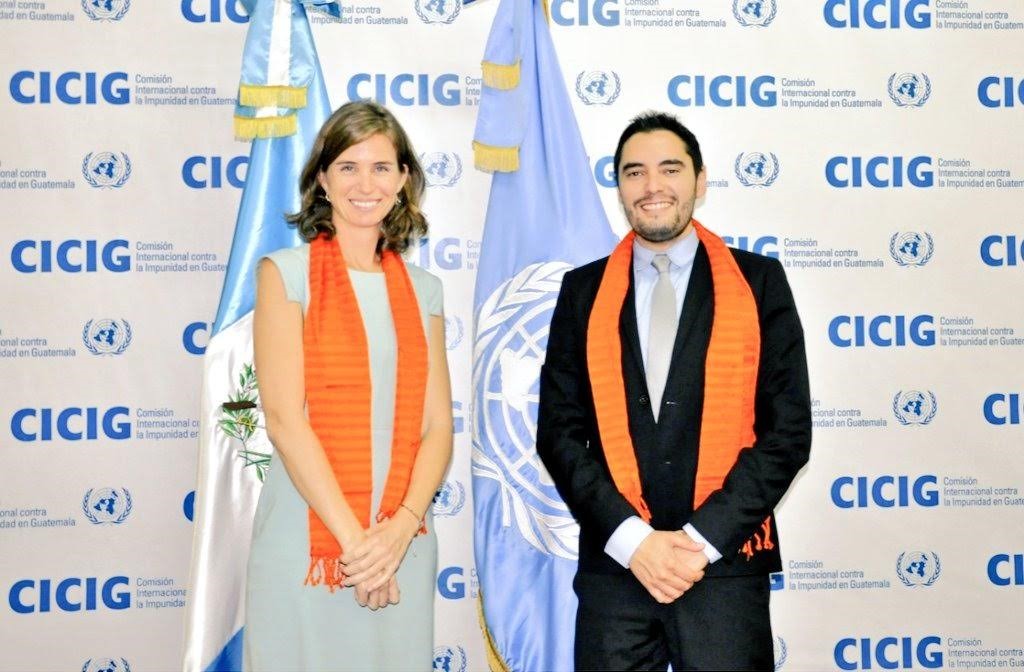
Guatemala’s CICIG Operations Now Under Loreto Ferrer

The International Commission against Impunity in Guatemala reorganized its operations amid the crisis triggered by the Jimmy Morales administration’s decision to prevent Commissioner Iván Velásquez from returning. Under this structure, Loreto Ferrer Moreu was put in charge of operational coordination and institutional communications in the country.The International Commission against Impunity in Guatemala (CICIG) went through one of the most delicate phases of its history when, in September, then-President of Guatemala Jimmy Morales barred Commissioner Iván Velásquez from entering the country.No HTML was provided. Please paste the HTML you want rewritten.Amid heightened institutional friction triggered by the CICIG’s pursuit of prominent…
Read More