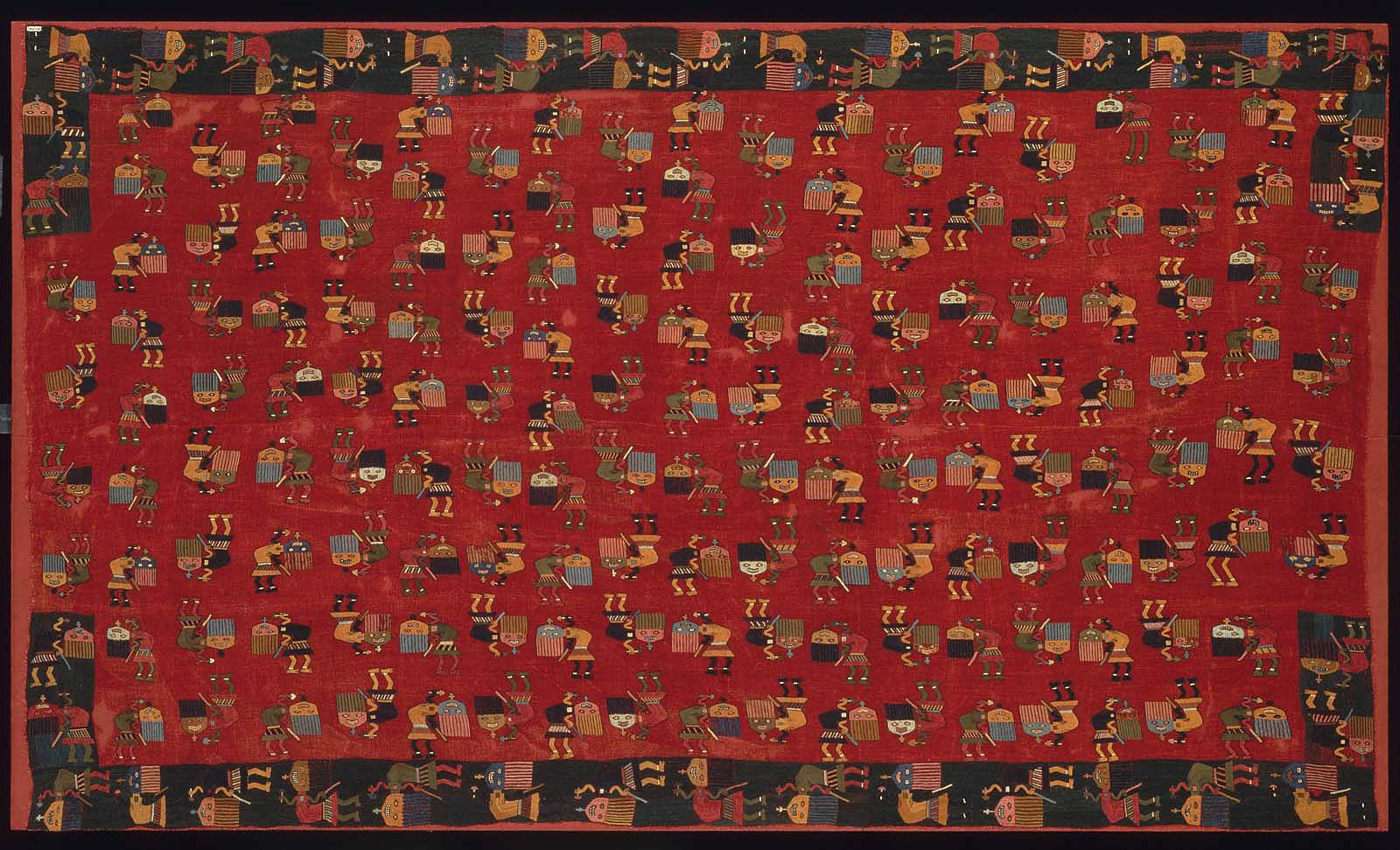
Textile design represents a fascinating and multifaceted field in the creative arts, bridging the gap between fashion, industrial design, and art. It involves the creation of patterns and designs for woven, knitted, or printed fabrics. This specialized area not only caters to the aesthetic value of fabrics but also considers their practicality and durability, ensuring that created textiles meet both decorative and functional needs. As the demand for unique and sustainable textiles continues to grow, so does the role of textile design in contemporary society.
The Evolution of Textile Design
Historically, textile design dates back to ancient civilizations where textiles were hand-woven and dyed using natural pigments and intricate techniques passed down through generations. The Industrial Revolution marked a turning point, introducing mechanized looms and synthetic dyes, which revolutionized production processes and broadened design possibilities.
In contemporary times, textile design has evolved into a vital component across various sectors beyond fashion, spanning home decor, automotive production, and even technological developments like smart textiles, with each field relying on careful design considerations that account for elements such as texture, weight, and colorfastness to meet distinct functional needs.
The Textile Design Process
The process of textile design is as methodical as it is creative. Designers typically begin with extensive research and inspiration gathering, drawing from art, nature, travel, and current trends. This is followed by sketching and digital design using software tools like Adobe Illustrator and CAD programs, which allow for precise pattern creation and modification. Advanced technological advancements have greatly augmented this process, enabling designers to simulate how a fabric will drape and interact with light.
Sampling is a crucial stage where small runs of a design are produced to test pattern accuracy, color vibrancy, and fabric texture. This phase often involves collaboration with textile chemists and engineers to ensure that the final product meets performance standards.
Methods for Designing Textiles
A wide range of methods can be used in textile design, each delivering distinct outcomes. Weaving and knitting serve as core practices, with weaving defined by the crossing of warp and weft threads, while knitting relies on interlinked loops. These processes enable the creation of materials spanning from airy summer cloth to robust upholstery.
Printing works by adding color and pattern to the surface of fabrics, with popular methods including screen printing, digital printing, and block printing. Innovative approaches such as 3D printing have introduced new artistic dimensions, allowing for the creation of intricate textures and patterns unattainable by traditional means.
Embroidery provides ornate detail by sewing motifs directly into the fabric, often using varied textures and embellishments like beads and sequins to enhance depth.
Business Uses and Cutting-Edge Developments
Textile design’s applications are as diverse as its techniques. In fashion, textiles contribute significantly to a garment’s appeal, with unique prints and textures setting brands apart in a saturated market. An illustrative case is the use of moisture-wicking fabrics in activewear, revolutionizing the functionality of sports apparel and enhancing performance.
In home furnishings, textiles play a central role in defining interior aesthetics and comfort, from the luxurious feel of velvet cushions to the rustic charm of linen curtains. The automotive industry employs durable textiles in car interiors, focusing on features like UV resistance and hypoallergenic properties.
Environmental consciousness has sparked a wave of innovation within textile design. Sustainable practices such as using organic fibers and non-toxic dyes are increasingly prioritized. Advances in recycling technologies have enabled designers to repurpose materials like plastic bottles into wearable fabrics, demonstrating a commitment to reducing the industry’s ecological footprint.
The Emerging Horizons of Textile Design
As technology advances, the possibilities for innovation in textile design expand as well, with smart textiles capable of tracking health data or shifting hues based on environmental changes opening remarkable prospects for the field, while 3D printing and digital fabrication keep redefining the limits of creativity and giving designers fresh ways to experiment and produce.
Ultimately, textile design remains a dynamic and essential aspect of modern industry, continually adapting to changes in consumer preferences and technological advancements. With its creative allure and practical applications, it is poised to remain a critical field for both designers and consumers alike, shaping the very fabric of our daily lives.