The Notting Hill Carnival returned this year with all the vibrant energy and colorful spectacle that has made it one of the largest street festivals in Europe. Thousands of revellers flocked to the streets of west London to experience the music, dance, and cultural richness that define this iconic event. With sunny weather providing a perfect backdrop, the atmosphere was electric, filled with the sounds of steel drums, soca beats, and pulsating rhythms that invite everyone to join the celebration.
Dating back to the 1960s, the Notting Hill Carnival began as a celebration of Caribbean culture, offering a space for immigrant communities to share their traditions, music, and cuisine. Over the decades, it has grown into a festival that draws diverse audiences from across the United Kingdom and beyond, becoming a symbol of cultural fusion and community spirit. Each year, the carnival showcases a kaleidoscope of costumes, parades, and performances, celebrating not only Caribbean heritage but also the multicultural fabric of London itself.
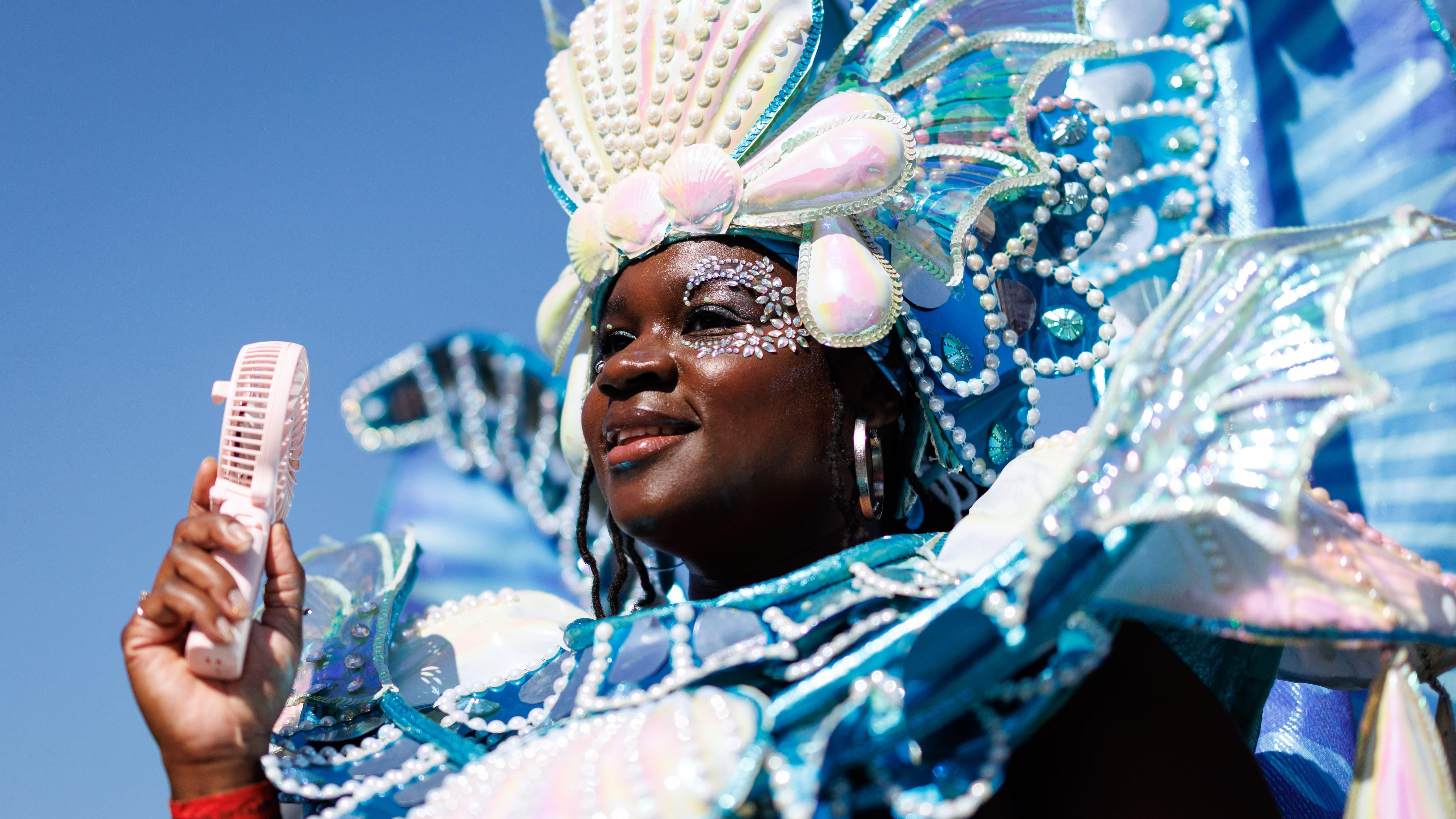
The streets came alive with elaborate floats adorned with feathers, glitter, and vibrant fabrics. Masqueraders danced energetically along the parade routes, performing choreographed routines and interacting with the crowd. The carnival is renowned for its participatory nature, encouraging visitors of all ages and backgrounds to immerse themselves in the festivities. From impromptu dance-offs to live music stages, there was no shortage of ways to enjoy the celebration.
Food also played a central role, with vendors offering a range of Caribbean and international dishes. Spicy jerk chicken, curried goat, plantains, and sweet treats like rum cake and coconut drops highlighted the culinary traditions of the Caribbean islands, allowing attendees to savor authentic flavors as they navigated the bustling streets. The combination of music, dance, and food creates a multisensory experience that captures the essence of the festival and the communities it represents.
This year, security and protection protocols were clearly intensified, allowing participants to partake in the celebrations with a sense of ease. The local authorities and community helpers collaborated to oversee the crowds and ensure a secure setting, highlighting the significance of maintaining the carnival’s essence while hosting tens of thousands of guests. Even with its magnitude, the event managed to sustain a friendly and cheerful vibe, showcasing the skilled management supporting one of London’s most renowned cultural highlights.
Throughout the weekend, live shows were a standout, showcasing both up-and-coming artists and well-known figures in calypso, reggae, soca, and other styles of Caribbean music. Steelpan bands filled the streets with their sounds, while DJs blended modern tunes with classic rhythms. The music provided not just entertainment but also acted as a cultural link, uniting spectators with the deep history and traditions of the Caribbean diaspora.
Participation from the community is central to the essence of the Notting Hill Carnival. Local associations and cultural collectives play a key role in organizing and carrying out the event, guaranteeing that the festivities embody the principles and heritage of the communities they celebrate. Throughout the year, workshops, practice sessions, and planning gatherings occur, promoting joint efforts and imparting wisdom to the youth, who are motivated to join in as both performers and coordinators.
The festival also serves as a platform for cultural expression and social commentary. Many floats and performances incorporate themes that address contemporary issues, from environmental awareness to social justice. This fusion of entertainment and advocacy underscores the carnival’s role not only as a celebration but also as a forum for dialogue and reflection within the community.
For many attendees, the Notting Hill Carnival is more than a festival—it is an experience that fosters connection, joy, and cultural pride. Families, tourists, and locals alike come together to celebrate in an atmosphere that blends tradition with modernity, providing memories that linger long after the final float passes by. The sunny weather only amplified the vibrancy, highlighting the kaleidoscope of colors, movements, and sounds that define this annual event.
As the festival comes to an end, those involved take a moment to consider the group effort necessary to enliven the streets. Behind the curtain, numerous hours devoted to planning, creating outfits, and managing logistics guarantee that the event proceeds without issues and stays authentic to its heritage. Annually, the occasion solidifies its role as a key event on London’s cultural schedule, attracting worldwide interest and encouraging equivalent festivals globally.
The Notting Hill Carnival remains a testament to the enduring power of music, dance, and community spirit. Its streets continue to tell stories of heritage, resilience, and creativity, inviting every visitor to be part of a living, breathing cultural experience. With thousands already planning for next year, the festival shows no signs of losing its charm, proving that the legacy of this iconic celebration will continue to shine brightly for generations to come.