The Ultimate Fighting Championship (UFC) is set to stage a groundbreaking event at the White House, marking the first time a live combat sports competition will be held at the presidential residence. The announcement signals a new level of mainstream acceptance and political validation for mixed martial arts (MMA), a sport that was once on the fringe of American culture. This unprecedented event is more than a simple fight; it is a powerful symbolic gesture that elevates the sport’s status and cements its place in the American sporting landscape.
For decades, the UFC fought for legitimacy, facing bans and public criticism for its brutal nature. However, over time, the organization implemented strict rules and safety measures, transforming MMA into a highly regulated and globally popular sport. This journey from a controversial spectacle to a mainstream powerhouse has been long and arduous, and a White House event represents the ultimate culmination of that effort. It’s a moment that will forever be etched in the history of the sport, showcasing its remarkable evolution and undeniable cultural impact.
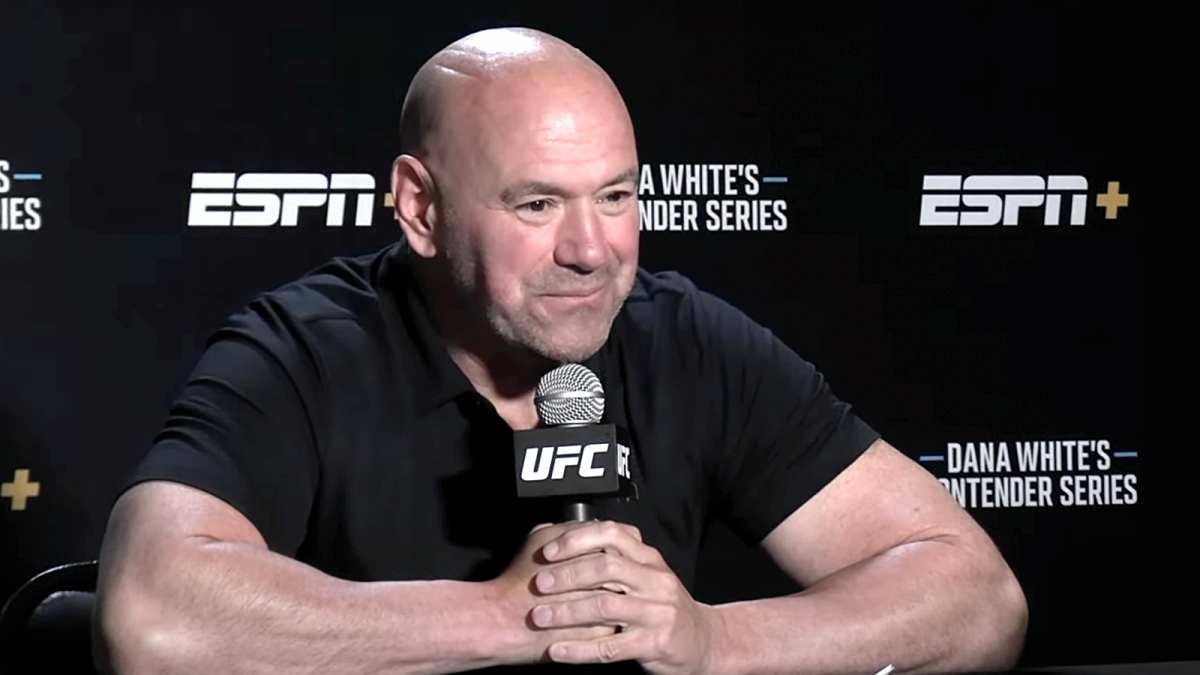
Este evento también pone en evidencia la creciente influencia política de la UFC y su presidente, Dana White. A lo largo de los años, la organización ha desarrollado conexiones con políticos de ambos partidos. Los luchadores y ejecutivos han sido invitados frecuentes a cenas presidenciales y otras funciones políticas, pero este próximo evento simboliza un nivel diferente de participación. Es un paso que muestra un alto grado de confianza y reconocimiento por parte de la oficina más alta del país, afianzando la posición de la UFC no solo como una entidad deportiva, sino como una fuerza cultural relevante en la nación.
The logistical challenges of hosting a fight at the White House are immense. The event will likely be a more intimate affair, a departure from the massive arenas the UFC typically fills. Speculation is high that the fights could take place on the South Lawn, with a custom-built octagon and a limited number of attendees. Security, a paramount concern, will undoubtedly be a major factor, with Secret Service and other agencies working to ensure a seamless and secure event. This will not be a typical pay-per-view spectacle, but a highly controlled, prestigious gathering.
The cultural implications of this event are far-reaching. It’s a powerful statement that MMA, a sport born in a cage, has earned a seat at the table of American institutions. For years, the White House has hosted champions from traditional sports like baseball, basketball, and football. By extending this honor to the UFC, the administration is acknowledging the undeniable popularity and athletic merit of mixed martial arts. This is a moment of profound validation for all the fighters, coaches, and fans who have supported the sport through its tumultuous rise. The move also serves to further legitimize MMA in the eyes of a public that may still hold outdated perceptions of the sport. The visibility and prestige of a White House event will inevitably introduce a new audience to the sport, potentially converting skeptics into fans.
The history of fighting sports within the realm of politics is intricate. Take boxing, for example, which boasts a lengthy record of presidential support, with enthusiasts like Theodore Roosevelt. Yet, no president has ever staged a live boxing event at the White House. This renders the UFC’s occasion remarkably unique and highlights the sport’s distinct power to engage and sway audiences. Drawing parallels with boxing is fitting, as both have long battled for widespread recognition, but the UFC’s swift rise and straightforward access to the nation’s top office is a contemporary occurrence.
Additionally, the announcement of the event coincides with the UFC experiencing unprecedented popularity. The organization has obtained valuable media agreements, broadened its international presence, and created some of the most prominent figures in athletics. By organizing an event at the White House, the UFC is not only showcasing its achievements but also affirming its longevity. It sends a strong signal globally that MMA is a lasting phenomenon, backed by its political and cultural influence. The event represents a convergence of perfect timing, political clout, and a sport at the height of its dominance.
For the fighters, the opportunity to compete at the White House is an honor beyond measure. While they may not be fighting for a championship belt in this particular instance, the prestige of the venue will make it one of the most memorable moments of their careers. It’s a chance to be a part of history, to represent their sport on a stage that has hosted world leaders, diplomats, and cultural icons. This will undoubtedly add an extra layer of motivation and pride to their performance, making it a must-watch event for both die-hard fans and curious observers.
The consequences for the wider sports sector are substantial as well. The UFC’s event at the White House might establish a new benchmark for various sports, especially those not usually seen as part of the “big four.” It shows that with sufficient cultural influence and political insight, any sport can achieve top-tier acknowledgment. This might open the door for other developing sports to attain comparable exposure and respectability, altering what is viewed as a “mainstream” American activity.
The UFC’s intention to organize a live event at the White House is a significant milestone for mixed martial arts. It chronicles the sport’s path from obscurity to prominence, highlighting its political ascent and cultural victory. This occasion will be unprecedented, representing MMA’s recognition in the mainstream and showcasing sports’ lasting ability to engage and bring people together. As the day of the event nears, the global audience will tune in, eager not only to discover the fight outcomes but also to observe an important moment unfolding in the annals of both sports and governance.