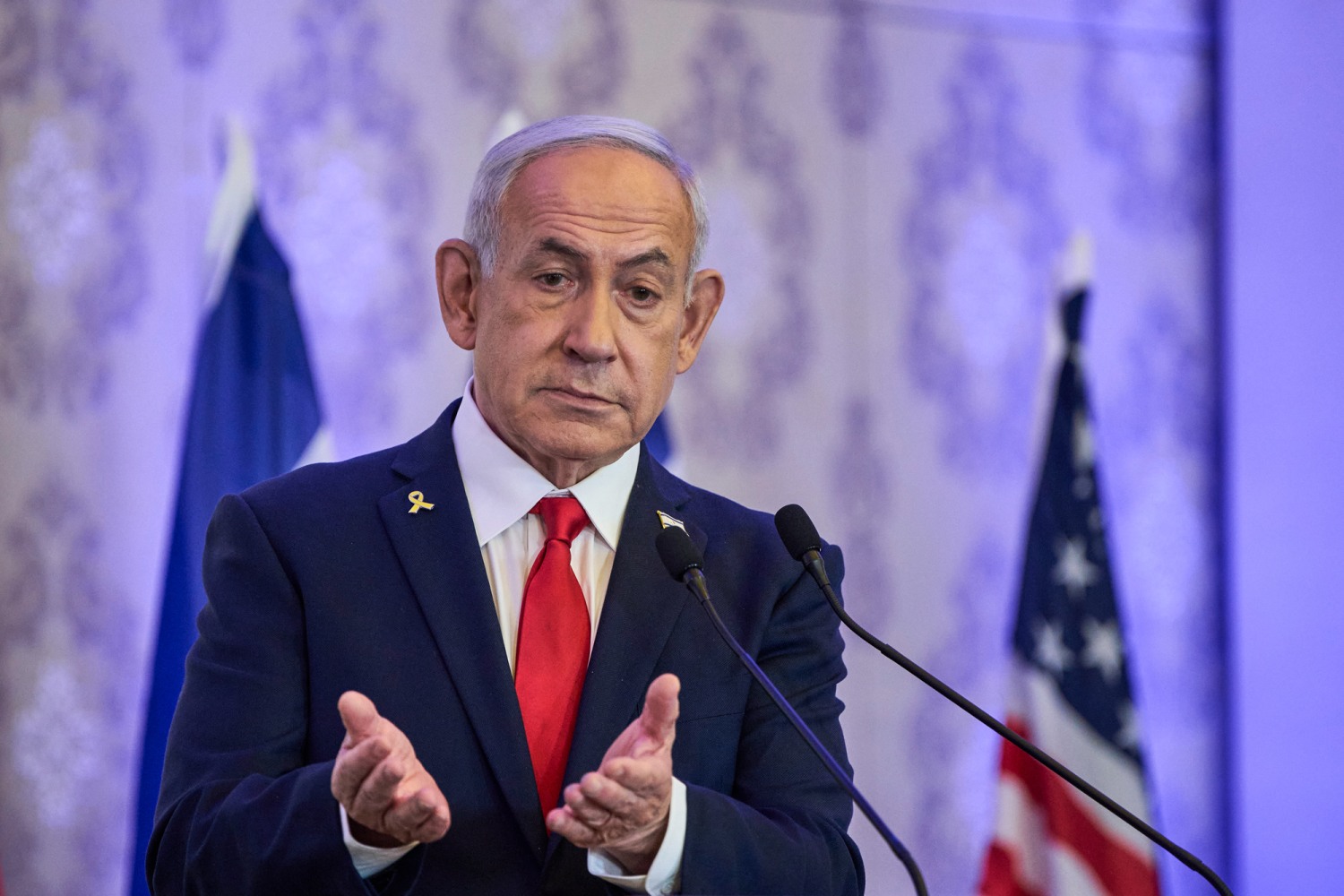
In a decision that has generated notable political and legal debate, Israel’s government has decided to dismiss the nation’s attorney general, further escalating an already tense relationship between the executive and the judiciary. This removal, occurring after months of tension regarding judicial authority and government changes, has triggered renewed worry among legal scholars, political opponents, and global analysts.
The decision, approved by members of Prime Minister Benjamin Netanyahu’s coalition, marks a critical moment in Israel’s ongoing constitutional conflict. Critics argue that the removal undermines the independence of the legal system and reflects an attempt by the government to weaken institutional checks on executive power. Supporters, however, contend that the attorney general had overstepped her role and interfered excessively in political processes.
As the country navigates this political turning point, questions loom over the implications for democratic governance, judicial integrity, and the rule of law in one of the region’s most politically active democracies.
The chief legal officer, assigned in an earlier administration, has consistently voiced opposition to multiple legal and constitutional proposals introduced by Netanyahu’s government, especially those intended to modify the judiciary. One of the most debated suggestions involved a strategy to reduce the Supreme Court of Israel’s power and restrict judicial review of decisions made by the executive branch.
Throughout the last year, the attorney general released multiple legal opinions questioning the government’s attempts to enact legislation that, according to critics, could weaken democratic protections. She additionally highlighted worries about possible conflicts of interest among members of the ruling coalition, including Netanyahu, who has been under scrutiny in several cases related to corruption.
Government officials who supported the dismissal argued that the attorney general had allowed personal or political biases to affect her legal judgments, thereby obstructing the administration’s legislative agenda. They framed the decision as a necessary step to restore “balance” between the branches of government and ensure that elected leaders can govern without judicial overreach.
Legal professionals and judicial authorities have portrayed the termination as a significant setback to the autonomy of Israel’s legal entities. The attorney general is key in maintaining the rule of law in Israel by offering legal counsel to the government, representing the nation in judicial proceedings, and, importantly, deciding whether legal cases can proceed against public officials.
Removing an attorney general mid-term is rare and historically has occurred only under exceptional circumstances. Critics contend that in this case, the action appears politically motivated and risks setting a dangerous precedent in which legal advisors are punished for acting independently or issuing inconvenient legal opinions.
Earlier members of the Supreme Court and experts in law have cautioned that this situation might undermine the public’s confidence in the judicial system, especially if upcoming legal rulings are seen as swayed by political allegiance instead of legal validity.
El fallo del gobierno ha provocado nuevas manifestaciones en todo el país, con personas congregándose en las principales ciudades para mostrar su desacuerdo ante lo que consideran una inclinación hacia el autoritarismo. Con consignas que defienden la independencia judicial y ondeando banderas israelíes, los manifestantes han exigido la restitución del fiscal general destituido y la revocación de reformas judiciales vistas como una politización de los tribunales.
Opposition leaders in the Knesset have vowed to challenge the dismissal through legal and parliamentary channels. Some have called for urgent oversight hearings, while others are considering petitions to the Supreme Court to review the legality of the vote that led to the attorney general’s removal.
International reactions are starting to take shape as well. A number of human rights groups and international diplomats have voiced worries about the potential effects on legal responsibility and the system of democratic checks and balances in Israel. Although many foreign nations haven’t released official declarations, it is reported that diplomatic talks are happening in private.
The attorney general’s removal is the latest flashpoint in a broader debate over the scope and structure of Israel’s judiciary. Netanyahu’s government has advocated for sweeping changes that would give the Knesset greater authority to override Supreme Court decisions, reduce judicial review of legislation, and increase political control over judicial appointments.
Advocates for these changes believe that the existing system lets judges who are not elected wield too much power over the country’s policies, and they argue that changes are necessary to reestablish democratic responsibility. Opponents, on the other hand, consider the plans as efforts to weaken judicial protections and concentrate authority within the executive branch.
The dismissal of the attorney general might hold strategic importance as well. As the chief legal advisor in Israel, the attorney general possesses the authority to authorize or halt criminal actions against current officials. With Netanyahu embroiled in several ongoing legal matters, critics suggest that her ousting could pave the way for legal outcomes that are more advantageous to the prime minister and his associates.
Although the government insists it adhered to the correct protocols when removing the attorney general, legal experts believe the issue is not yet resolved. Objections to the legitimacy of the removal are underway, with several attorneys contending that dismissing the attorney general for political motives breaches the principles of judicial independence and due process.
Si el Tribunal Supremo de Israel opta por atender estas demandas, podría nuevamente convertirse en el foco de una tormenta política, determinando si la rama ejecutiva actuó dentro de su autoridad legal o rompió con las normas constitucionales. Una decisión de ese tipo sería crucial para el tribunal, poniendo a prueba su capacidad para mantener independencia bajo una intensa presión política.
The legal dispute regarding the dismissal of the attorney general might shape the future of Israel’s judicial system, especially affecting the relationship between political authority and legal supervision, depending on the results.
The Israeli government is expected to appoint a new attorney general in the coming weeks, though the selection process itself is likely to be controversial. Legal groups and opposition parties have already signaled their intent to scrutinize any nominee for signs of partisanship or conflict of interest.
In the interim, deputy legal advisors within the Justice Ministry may assume responsibility for day-to-day operations, but significant decisions could be delayed until a permanent replacement is confirmed.
Meanwhile, civil society organizations are gearing up for what they see as a critical period in the defense of democratic institutions. Many are planning to expand legal aid, advocacy, and public awareness campaigns aimed at safeguarding judicial independence.
The removal of Israel’s attorney general has escalated a deepening conflict between the country’s executive leadership and its judicial system. As the legal and political ramifications unfold, the episode stands as a defining test for the resilience of Israel’s democratic framework.
Whether seen as a crucial political adjustment or a concerning decline of legal standards, the decision has highlighted Israel’s dedication to the rule of law on the international stage—and its consequences might influence its democratic path for the future.