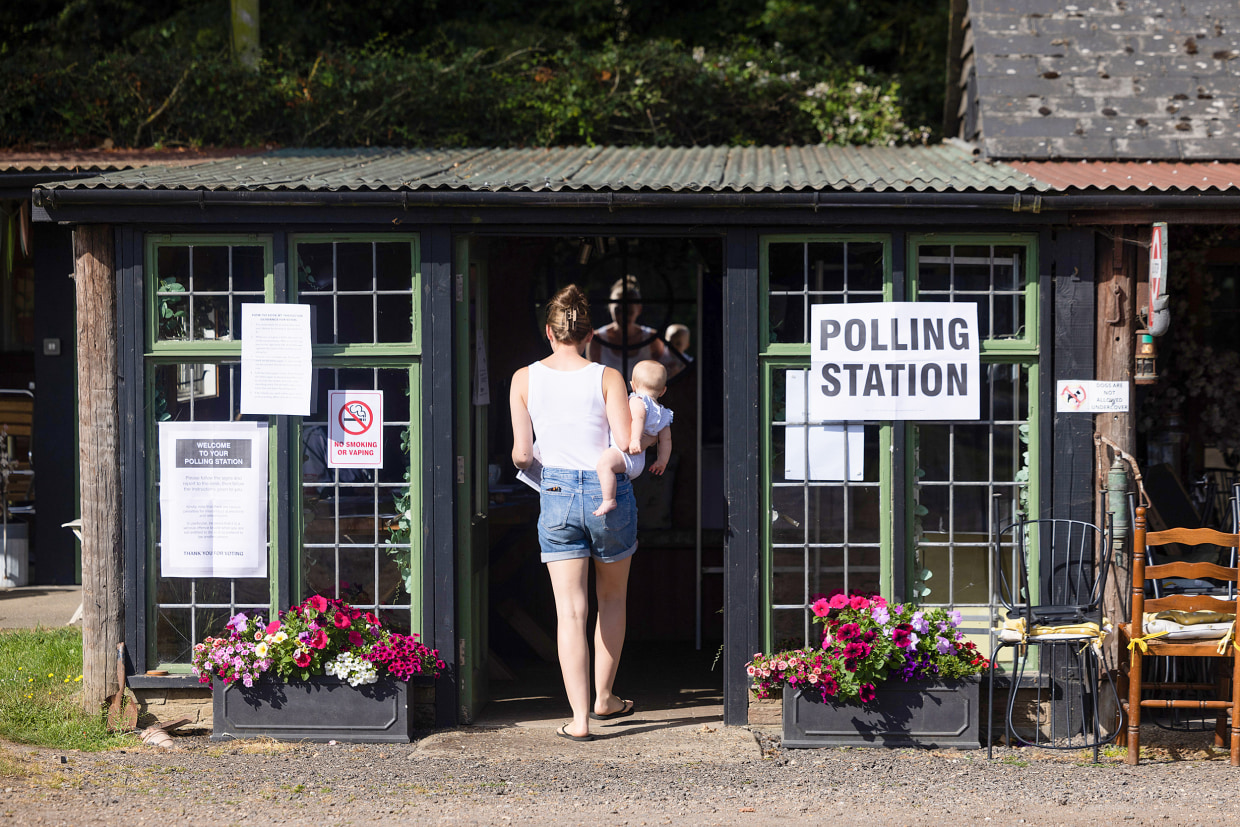
El gobierno del United Kingdom ha declarado formalmente su intención de reducir la edad mínima para votar en todo el país de 18 a 16 años, una reforma importante que se espera esté vigente para las próximas elecciones generales. Este cambio es parte de un conjunto más amplio de medidas destinadas a incrementar la participación democrática en la nación. Esta iniciativa cumple una promesa clave hecha antes de las elecciones por el partido Labour de centro-izquierda, que asumió el poder en julio de 2024, mostrando una nueva perspectiva hacia la política electoral y el compromiso de extender el derecho a voto a un público más joven.
This decision positions Britain among a select group of nations globally where 16- and 17-year-olds are permitted to vote in national elections. Currently, countries such as Austria, Brazil, and Ecuador already extend this right to their 16-year-old citizens. Within the European Union, a handful of member states, including Belgium, Germany, and Malta, allow individuals aged 16 and above to cast ballots specifically in elections to the European Parliament, showcasing a growing trend towards youth enfranchisement in some parts of the continent. It’s also noteworthy that Scotland and Wales, constituent nations of the UK, have already implemented this lower voting age for their respective local and regional elections, providing a domestic precedent for the nationwide shift.
The proposal to reduce the voting age is connected to a broad set of electoral changes. Included in these changes is a strengthening of the rules governing campaign finance, aimed specifically at limiting the power of anonymous shell companies in donating to political organizations. Democracy Minister Rushanara Ali highlighted that this step is focused on reinforcing protections against improper foreign involvement in British politics, tackling issues related to the integrity of democracy and promoting increased openness in political contributions.
Accompanying these changes are stricter penalties for individuals found guilty of intimidating electoral candidates. This aims to protect the democratic process from disruptive or malicious attempts to silence or deter those seeking public office, fostering a more secure and respectful environment for political engagement. Such provisions are crucial for upholding the principles of fair competition and freedom of expression within a democratic system.
Furthermore, the government plans to introduce automatic voter registration, a reform expected to significantly boost the number of eligible citizens on electoral rolls. This streamlines the process for new voters and reduces administrative hurdles that might otherwise prevent eligible individuals from participating. Additionally, a new policy will allow voters to utilize bank cards as a form of identification at polling stations. This contrasts with the previous Conservative government’s introduction of a mandatory photo identification requirement in 2022, a measure that was justified as a means to combat electoral fraud. However, critics of the previous policy had argued it disproportionately disenfranchised vulnerable segments of the population, including young people, those with lower incomes, and members of ethnic minority groups, who might face greater challenges in obtaining or possessing the required photo ID.
Indeed, the electoral watchdog, the Electoral Commission, estimated that approximately 750,000 individuals were unable to vote in last year’s election precisely because they lacked the necessary identification. This statistic underscored the concerns raised by critics regarding the potential for voter suppression. The new policy, allowing bank cards as a recognized form of identification, appears to be a direct response to these criticisms, seeking to expand accessibility to the ballot box without compromising security.
The broader context for these reforms includes a discernible decline in voter participation. The 2024 general election saw a turnout of merely 59.7%, marking the lowest level in over two decades. This statistic signals a growing disengagement among the electorate, prompting a critical examination of the barriers to participation and the perceived relevance of the political process. The government’s proposed reforms, particularly the lowering of the voting age and automatic registration, are clearly aimed at reversing this trend by making voting more accessible and appealing to a wider segment of the population, especially younger citizens.
The discussion over reducing the voting age has been persistent in the UK for numerous years. Advocates claim that individuals aged 16 and 17 possess the ability to make well-informed choices, engage in society by working and paying taxes, and face direct consequences from political decisions regarding matters like education, climate change, and healthcare. They believe allowing them to vote would encourage earlier civic participation and lead to a democracy that better reflects all voices. Critics, on the other hand, frequently express worries about the political maturity of younger voters, their potential vulnerability to persuasion, and their perceived insufficient life experience. The government’s choice indicates a move towards entrusting younger residents with more significant democratic duties.
The potential consequences of this set of reforms are extensive. By reducing the voting age, the UK’s political environment will welcome a new age group with unique issues and priorities, which could potentially affect political party platforms and their campaign tactics. Political parties will have to adjust their strategies and policies to connect effectively with this younger voting population. Implementing automatic voter enrollment might result in a substantial rise in the number of registered voters, possibly changing the landscape of future elections by including groups that were previously marginalized or less involved in the voting process.
In addition, the adjustments to campaign financing and the heightened sanctions for intimidation of candidates aim to enhance the honesty and fairness of the voting process. By minimizing the impact of unclear funding origins and assuring that candidates can engage without the threat of intimidation, the administration aims to reinforce the core tenets of a robust democracy. Altogether, these steps illustrate a government dedicated to invigorating democratic involvement and tackling some of the persistent issues regarding electoral fairness and accessibility.
The UK’s decision is part of a larger global movement within certain democratic countries to reconsider the age of political adulthood. There has been an increased focus worldwide on young people’s involvement and their influence in policy-making, particularly regarding challenges such as climate change that have significant implications for upcoming generations. By reducing the voting age, the UK is joining a rising list of nations that advocate for granting younger individuals a direct voice in shaping their shared future. This change might act as a benchmark or encourage other countries still discussing comparable reforms.
The UK government’s commitment to reducing the national voting age to 16 by the next general election marks a pivotal moment in its democratic evolution. Coupled with stricter campaign finance rules, enhanced protection for candidates, automatic voter registration, and more inclusive voter ID policies, these reforms represent a concerted effort to increase democratic participation and address long-standing critiques of the electoral system. The ultimate goal is to foster a more inclusive, resilient, and representative democracy, one that empowers a broader segment of its population and strengthens safeguards against undue influence. The success of these measures will be keenly observed as Britain embarks on this new chapter of its democratic journey.