The word “retro” sparks a sense of nostalgia and a revival of past aesthetics and moods. Yet what truly defines a retro trend, and what makes it resonate so strongly with audiences of different ages? This exploration looks into the idea of retro trends, tracing where they began, examining how they shape multiple industries, and offering examples that demonstrate their enduring appeal.
The Essential Essence Driving Retro Trends
A retro trend refers to the renewed popularity of styles, ideas, and visual motifs from earlier eras, often adapted or subtly reimagined to suit modern tastes. Such movements generally thrive by tapping into nostalgia, giving audiences a comforting link to what feels familiar. Retro elements may surface in clothing, music, technology, home design, and virtually any cultural or commercial domain.
Historical Context and Evolution Over the Years
Retro trends can be traced back many decades, with each era shaped by its own distinct traits, and historically the appeal of retro has risen from recurring cycles in cultural preferences; in the fashion world, earlier looks tend to reemerge roughly every 20 to 30 years, offering new generations the chance to encounter aesthetics they may not have seen firsthand, and the vivid colors and bold patterns of the 1970s, for example, have repeatedly resurfaced in contemporary fashion collections.
Movies and television often play a key role in reviving retro styles. For instance, the popularity of shows like “Stranger Things” has renewed interest in the 1980s, as its storyline and setting have influenced fashion trends, music styles, and even home décor.
Retro Trends Across Industries
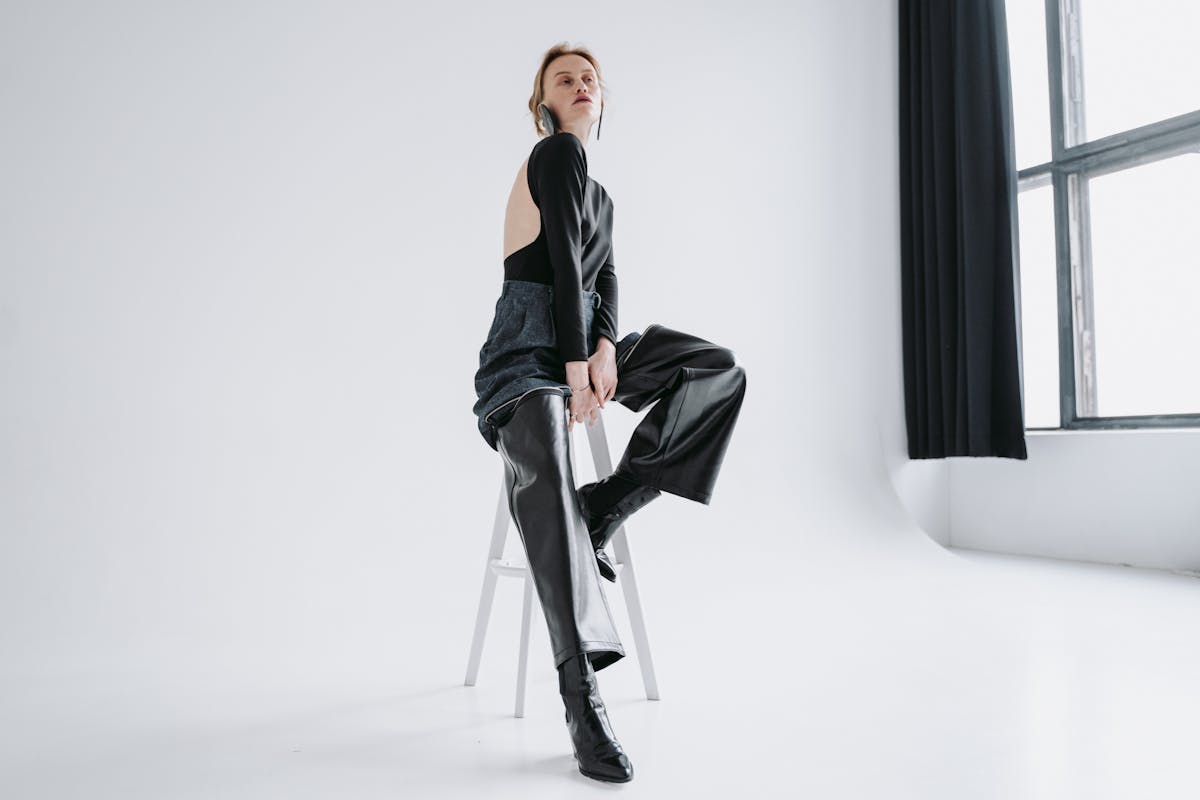
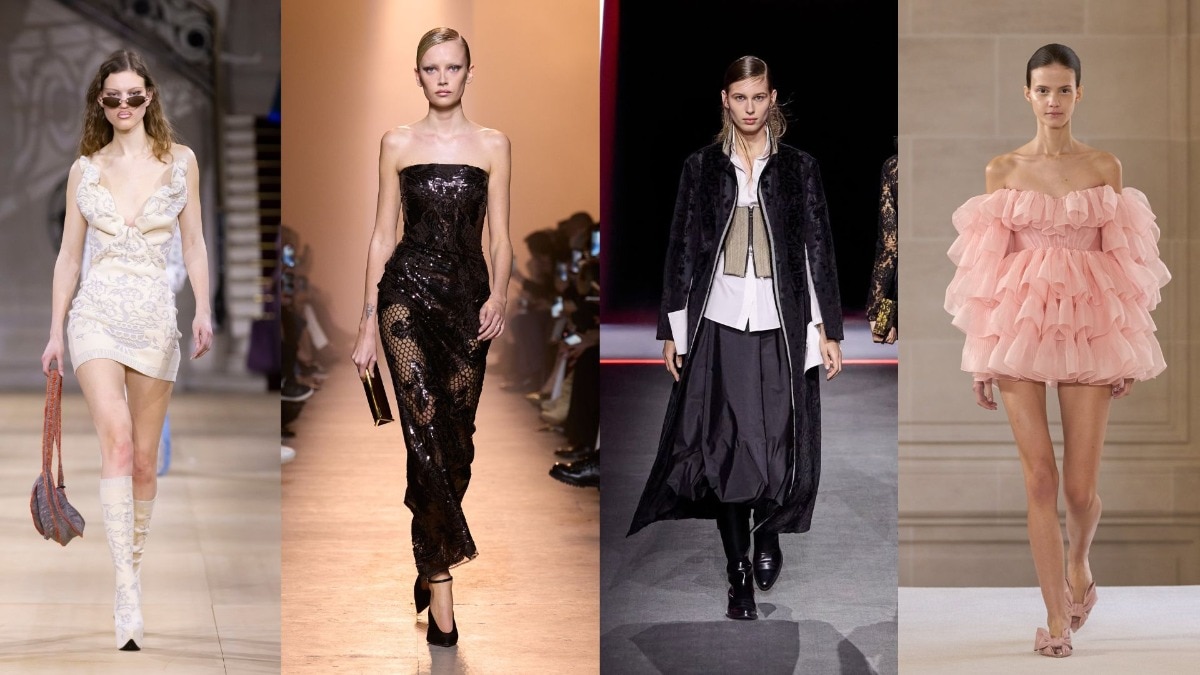
1. Fashion: In the fashion world, retro aesthetics repeatedly make a comeback, as high-waisted jeans, vintage accessories, and flared pants cycle back into prominence, merging timeless silhouettes with modern textile advances.
2. Technology: Retro trends in technology often blend emotional nostalgia with modern usefulness, as products such as Polaroid cameras and turntables pair vintage allure with updated performance, while gaming consoles likewise release classic-game editions that attract both dedicated longtime followers and curious new players.
3. Interior Design: Within home décor, retro elements surface through mid-century modern furniture, throwback wallpaper motifs, and timeless color schemes like avocado green and burnt orange, while interiors are often adorned with emblematic pieces from earlier eras, merging nostalgic charm with modern sensibilities to achieve a lasting appeal.
4. Music: Retro trends in music often revive sounds and production methods from earlier eras, as vinyl records return in force and streaming services feature curated ’80s pop or ’90s R&B playlists that evoke a nostalgic listening experience.
The Psychological Appeal of Retro Trends
The popularity of retro trends can be attributed to a deep-seated psychological phenomenon known as “nostalgia,” which imbues past experiences with warmth and positivity. This emotional response enhances consumer willingness to engage with products or ideas that trigger fond memories. Additionally, retro trends offer predictability and comfort in uncertain times, further boosting their attractiveness.
Retro trends represent an ongoing exchange between past and present, allowing consumers to revisit treasured memories or delve into eras long gone. This blend of nostalgia and modern creativity encourages constant exploration and reinvention. As society continues to shift, these retro influences are expected to endure, linking different generations through a shared admiration for the aesthetic and cultural legacies of history. This lasting cycle of revival underscores humanity’s fondness for meaningful moments and its continually expanding imagination.