

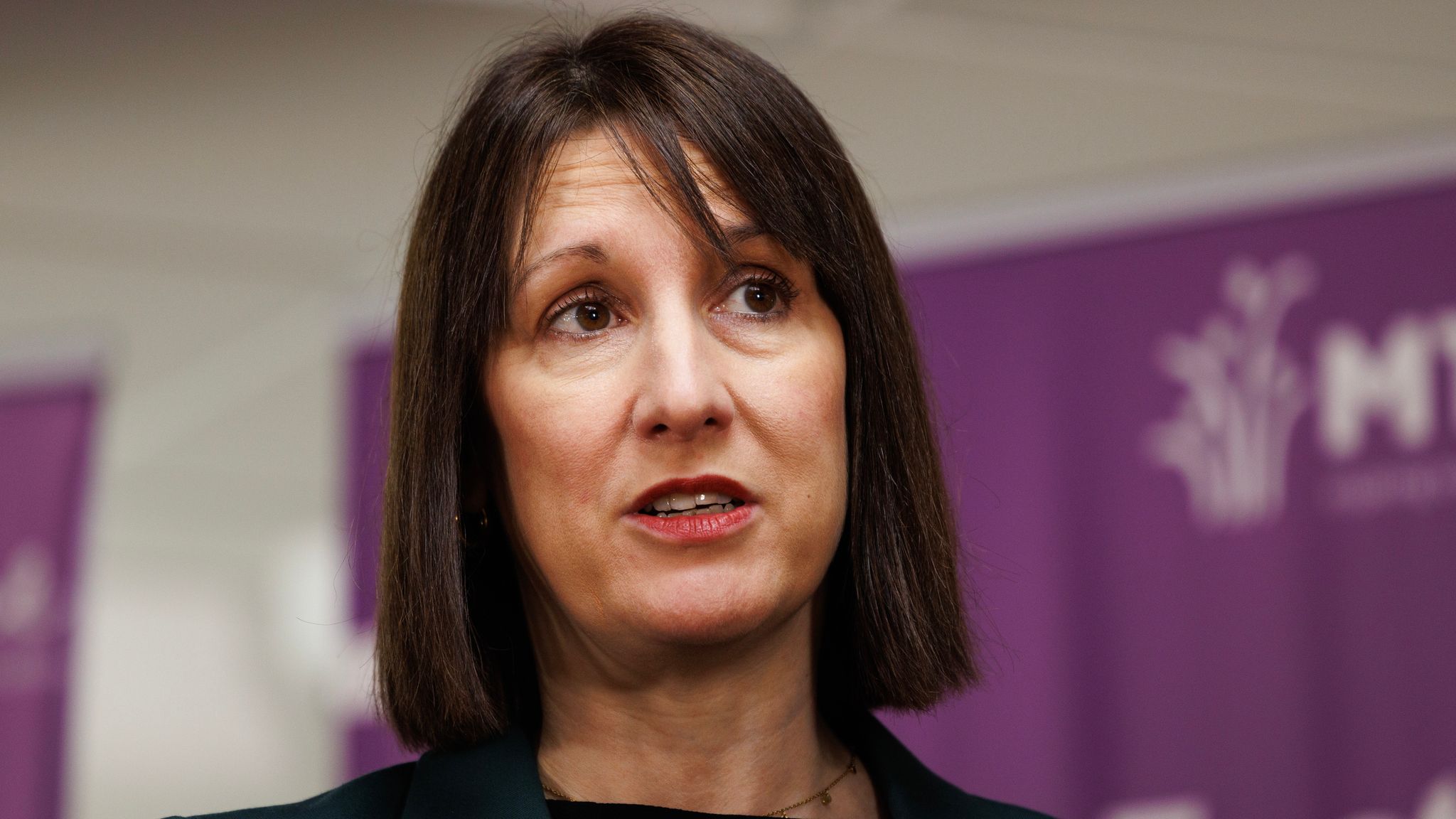
Public borrowing in the United Kingdom has increased beyond anticipated levels, adding extra fiscal stress on Chancellor Rachel Reeves as she attempts to steer through a complex economic environment. With borrowing numbers surpassing earlier predictions, the government is once again under pressure regarding how it will fulfill its expenditure obligations while keeping market trust and advancing growth-focused strategies.
According to the most recent figures released by the Office for National Statistics (ONS), borrowing by the public sector has recently surpassed the expectations set by the Office for Budget Responsibility (OBR). The data highlights a range of contributing elements, such as increased interest payments on debt resulting from continuous inflation, lower-than-expected tax collections, and consistent expenditure needs across vital public services.
This development presents a critical test for Chancellor Reeves, who assumed her role amid promises to maintain fiscal discipline while investing in national infrastructure, improving public services, and addressing long-standing economic inequalities. With the cost of borrowing rising and economic growth projections remaining modest, the scope for new spending initiatives may be narrower than initially hoped.
The increase in borrowing comes at a time when financial markets are especially sensitive to government debt levels. In the wake of previous fiscal turbulence and global economic uncertainty, investors and credit rating agencies are closely monitoring the UK’s fiscal stance. The new figures are likely to prompt further questions about the government’s ability to deliver on its pledges without resorting to tax increases or spending cuts.
Chancellor Reeves has consistently emphasized her commitment to responsible budgeting, frequently citing the importance of restoring credibility in economic governance. She has pledged to adhere to a strict set of fiscal rules, including reducing the national debt as a share of GDP over the medium term. However, the latest borrowing figures suggest that achieving this target may be increasingly difficult without policy adjustments.
A significant portion of the borrowing increase can be traced to higher debt servicing costs. The UK’s large stockpile of government debt, much of which is linked to inflation or short-term interest rates, has become more expensive to manage. As the Bank of England continues to maintain elevated interest rates to combat inflation, the government faces a growing bill for interest payments—further constraining the fiscal outlook.
At the same time, revenue growth has not kept pace with expectations. While some tax receipts have shown resilience, others—particularly those tied to consumption and corporate profits—have been weaker than projected. This reflects the broader economic environment, where consumer confidence remains fragile and business investment has yet to recover fully from years of Brexit-related uncertainty, pandemic disruptions, and global supply chain challenges.
Even with these challenges, Chancellor Reeves has restated her commitment to safeguarding public services and promoting economic growth. Funding in sectors like renewable energy, transport infrastructure, and education continues to be a primary focus of the government. However, the increasing disparity between income and spending might necessitate a reevaluation of the speed and magnitude of these projects.
Political analysts note that the chancellor’s position is further complicated by public expectations for improved services and living standards. After a prolonged period of austerity and stagnating real wages, there is significant pressure on the government to deliver tangible benefits to households. Balancing this demand with fiscal responsibility will require careful prioritization and potentially difficult trade-offs.
The data regarding borrowing also contributes to wider discussions concerning tax policy. Although Chancellor Reeves has dismissed the possibility of raising the main rates for income tax, VAT, and national insurance, the growing budget shortfall might lead to a more detailed examination of additional ways to increase revenue. Possible areas of interest include enhancing tax compliance, reevaluating reliefs and exemptions, and reexamining corporate taxation systems.
Reactions in the markets to the borrowing figures have been moderate up to this point, although experts warn that ongoing fiscal deterioration might influence how investors feel. The robustness of the pound, yields on government bonds, and the credit prognosis for the UK will be shaped by views on fiscal stability and the government’s ability to manage the economy effectively.
In Parliament, opposition parties have seized on the borrowing figures to question the government’s economic strategy. Critics argue that the current fiscal trajectory undermines efforts to build a fairer, more inclusive economy and risks repeating past mistakes of underinvestment and short-termism. In response, Treasury officials have stressed that the borrowing increase is manageable and reflects temporary pressures rather than structural weaknesses.
Looking ahead, the next fiscal statement will be a crucial moment for Chancellor Reeves. She is expected to outline how the government intends to balance its policy ambitions with the realities of the public finances. This will likely include revised economic forecasts, updated debt projections, and details on spending priorities.
The chancellor faces the difficult task of maintaining economic credibility while delivering on political promises. With borrowing on the rise and fiscal space tightening, the choices made in the coming months will shape the UK’s economic trajectory for years to come. How the government responds to these challenges will not only affect public confidence but also influence long-term growth, investment, and the country’s broader social and economic fabric.
As the strain from tax demands grows, finding equilibrium between aspirations and budget constraints is more essential than ever. Chancellor Reeves now faces the challenge of steering a course that satisfies market confidence, fulfills public needs, and prepares the UK for a steady economic rebound amid global unpredictability.




.jpg "Buying a Home in Cap Cana")