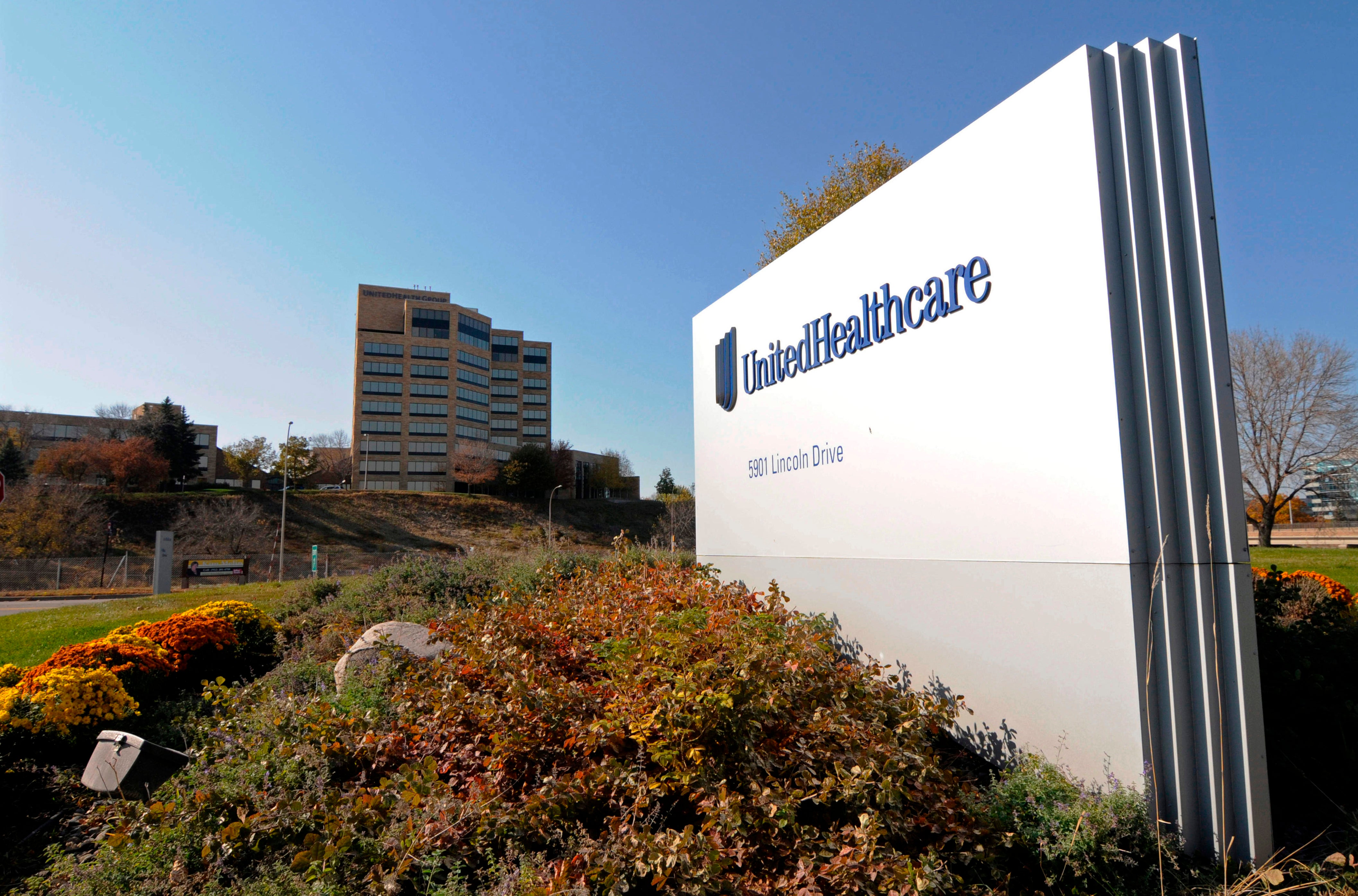
A renowned board-certified surgeon in Dallas faces a significant financial crisis in her successful medical practice due to a prolonged reimbursement dispute with UnitedHealthcare, a leading national health insurance provider. Dr. Sarah Chen, an expert in minimally invasive procedures, indicates that unpaid reimbursements amounting to almost $2 million have rendered her incapable of managing essential practice costs, such as employee wages and leases for medical equipment.
The dispute originated when UnitedHealthcare began denying claims for procedures they later deemed “not medically necessary,” despite having previously approved identical treatments for years. Dr. Chen’s appeals through the insurer’s internal review process proved unsuccessful, leaving her with the difficult choice between accepting the financial losses or pursuing costly legal action against the industry giant.
This situation reflects growing tensions between healthcare providers and insurance companies across the United States. Many physicians report increasingly aggressive claim denials and delayed payments from insurers, creating cash flow crises for small and medium-sized practices. The American Medical Association’s most recent billing survey reveals that claim denial rates have increased by 23% across the industry since 2021, with private insurers representing the majority of disputed payments.
For Dr. Chen, the financial strain has reached critical levels. After exhausting her personal savings to keep the practice afloat, she now faces potential bankruptcy that could force her to dismiss 18 employees and cease operations. “I’ve dedicated my career to providing quality surgical care,” she explains, “but the current system makes it nearly impossible for independent physicians to survive.” Her experience echoes concerns raised by medical associations about corporate consolidation in healthcare and its impact on patient access to care.
UnitedHealthcare maintains that their review process ensures appropriate care while controlling costs. In a statement, the insurer noted they “work collaboratively with providers to resolve billing questions” and pointed to their provider portal resources. However, physicians counter that the appeals process is intentionally cumbersome, designed to discourage providers from pursuing legitimate claims.
The financial pressures extend beyond Dr. Chen’s individual practice. Local hospitals report increasing difficulty maintaining specialist coverage as more physicians either join large health systems or leave clinical practice altogether due to similar reimbursement challenges. Healthcare economists warn this trend could accelerate, potentially creating specialist shortages in certain markets.
Medical billing experts identify several concerning patterns in recent insurer practices. These include retroactive claim denials after treatment completion, increasingly narrow definitions of “medically necessary” care, and burdensome pre-authorization requirements that delay patient treatment. Many providers report spending up to 20 hours weekly on insurance-related paperwork, time that would otherwise be devoted to patient care.
The human impact of these disputes extends beyond physicians to their patients. Several of Dr. Chen’s patients report confusion and frustration when receiving unexpected bills for services they believed were covered. One patient, a 62-year-old small business owner, describes receiving a $28,000 bill eight months after his surgery, when UnitedHealthcare reversed its initial approval.
Potential resolutions remain divisive. Some lawmakers are in favor of stricter prompt payment regulations and uniform claims handling, whereas insurance companies stress the importance of managing healthcare expenses. Independent doctors, such as Dr. Chen, are more frequently seeing direct-pay systems as the sole practical option, even though these solutions are out of reach for many individuals dependent on insurance provided by their employers.
While the deadlock persists, the widespread consequences for healthcare provision become more apparent. When seasoned doctors encounter financial devastation because of payment disagreements, the whole healthcare network is impacted. Patients lose access to experienced professionals, medical students steer clear of specific areas due to economic uncertainty, and communities witness their local healthcare systems deteriorate.
Dr. Chen’s predicament serves as a cautionary tale about the fragile state of independent medical practice in America. While she continues exploring options to save her practice, her experience raises urgent questions about how to preserve physician autonomy and ensure fair reimbursement in an increasingly consolidated healthcare marketplace. The resolution of her case may signal whether meaningful reform is possible or if more physicians will be forced to make difficult choices between financial survival and patient care.