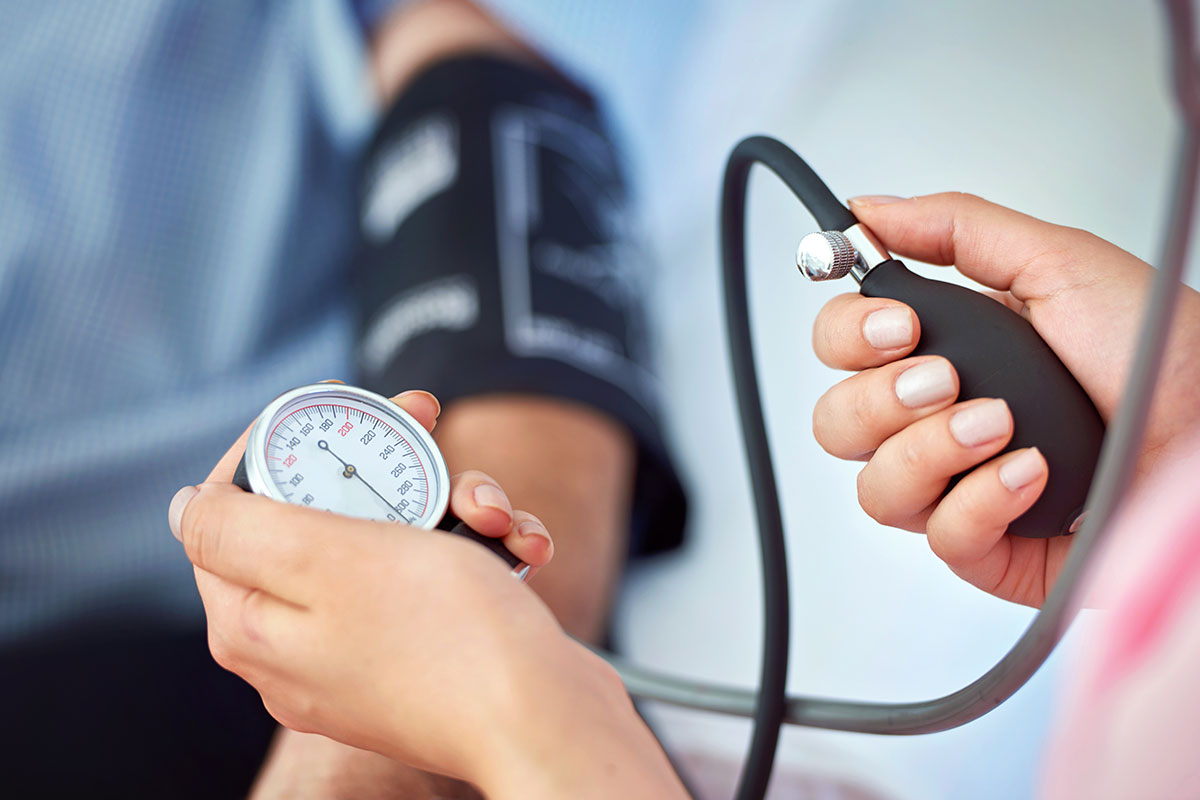
Hypertension, commonly known as high blood pressure, is among the most prevalent health issues globally, and managing it adequately is vital for lowering the chances of heart disease, stroke, and kidney damage. The American Heart Association (AHA) has recently issued updated guidance to assist doctors and patients in tackling this condition more efficiently. These modifications are based on fresh evidence, enhanced screening guidance, and more customized treatment strategies, all aiming to enhance patient results and decrease long-term health complications.
The decision to revise these guidelines comes from extensive research showing that earlier interventions and more precise monitoring can significantly reduce cardiovascular events. The updated recommendations aim to provide clarity for both healthcare professionals and individuals living with elevated blood pressure, emphasizing the importance of lifestyle changes along with pharmacological options when necessary.
One of the most notable changes in the new guidelines is the classification of blood pressure levels. The previous standard defined hypertension at a threshold of 140/90 mmHg. Now, the updated criteria identify blood pressure readings of 130/80 mmHg or higher as elevated, urging patients and clinicians to address potential risks sooner. This adjustment reflects data linking even mildly elevated levels to long-term heart health problems.
The categorization adjustment implies that numerous adults previously deemed at risk rather than diagnosed with high blood pressure might now require more detailed observation. This shift doesn’t automatically necessitate medications for all these people, but it underlines an increased focus on prevention measures like improved nutrition, consistent exercise, and stress reduction strategies.
Lifestyle modification remains at the forefront of the AHA’s approach to blood pressure control. The guidelines underscore the importance of adopting heart-healthy habits, including following a balanced diet rich in fruits, vegetables, whole grains, and lean proteins. The DASH (Dietary Approaches to Stop Hypertension) eating plan continues to be one of the most recommended strategies for lowering blood pressure naturally. Additionally, reducing sodium intake, limiting alcohol consumption, and avoiding tobacco products are considered essential steps.
Physical activity is another critical factor highlighted in the revised guidelines. The AHA encourages individuals to engage in at least 150 minutes of moderate-intensity exercise per week, such as brisk walking, swimming, or cycling. Regular exercise not only helps control blood pressure but also promotes overall cardiovascular health and reduces the likelihood of developing related conditions like diabetes or obesity.
Weight management is equally important, as excess body weight can place added strain on the heart and arteries, leading to higher blood pressure readings. Even modest weight loss can result in significant improvements in blood pressure levels, making it a priority for those who fall into the overweight or obese categories.
When lifestyle modifications alone do not achieve the desired results, medication becomes a consideration. The revised guidelines provide updated recommendations on when and how to initiate pharmacological treatment. These decisions now take into account not just the numerical value of blood pressure but also an individual’s overall cardiovascular risk profile, including age, family history, and the presence of other conditions such as diabetes or chronic kidney disease.
Una modificación significativa está relacionada con la forma de controlar la presión arterial. La AHA ahora pone más atención en las mediciones fuera del consultorio, como el monitoreo en casa y el seguimiento ambulante de la presión arterial. Estas herramientas ofrecen una imagen más precisa de los patrones de presión arterial de una persona, lo que ayuda a evitar diagnósticos erróneos provocados por la hipertensión de bata blanca o aumentos temporales de estrés durante las visitas a la clínica.
In addition to providing guidance for clinicians, the new recommendations encourage patients to take a proactive role in managing their health. Understanding personal blood pressure targets, recognizing the importance of consistent monitoring, and following prescribed treatments are all vital components of successful long-term management. Education and awareness are central to the AHA’s efforts to reduce the prevalence of hypertension-related complications.
The guidelines also recognize the need for equity in healthcare delivery. They stress the importance of ensuring that all populations, including those in underserved communities, have access to screening, preventive measures, and appropriate treatment options. Disparities in hypertension management have long been a concern, and addressing them remains a top priority for public health initiatives.
The updated AHA recommendations signify an important advancement in the prevention and management of elevated blood pressure. By recognizing vulnerable individuals sooner, encouraging better lifestyle choices, and enhancing treatment approaches, these revisions strive to reduce the impact of cardiovascular disease on the general population.
For anyone concerned about their blood pressure, the most important takeaway is the value of regular checkups and early action. Monitoring readings at home, discussing results with a healthcare provider, and making sustainable lifestyle changes can all contribute to improved long-term health. The new recommendations serve as a reminder that even small adjustments can make a substantial difference when it comes to protecting the heart and maintaining overall well-being.