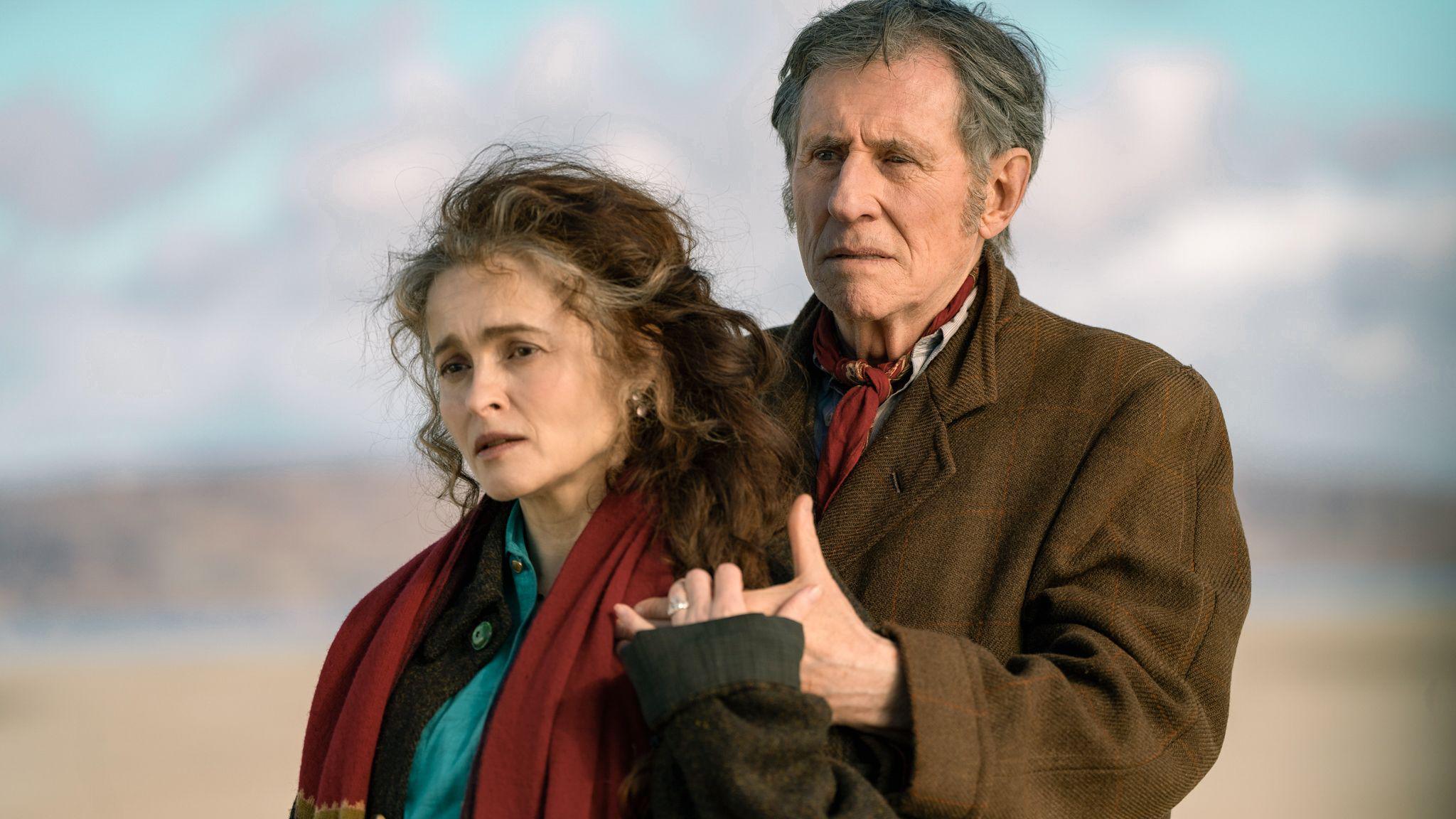
Pierce Brosnan, globally recognized for portraying James Bond, is back in a new film that highlights both his acting prowess and the stunning landscapes of Northern Ireland. This movie offers expansive scenes of the area’s beaches, woodlands, and quaint countryside, attracting viewers not only through its plot but also with the magnificent views that enhance each moment.
Northern Ireland has long been admired for its dramatic geography—rugged cliffs, misty glens, rolling green fields, and ancient castles. Over the past decade, it has become a sought-after filming destination for major international productions, including the globally popular Game of Thrones. However, in this latest film starring Brosnan, the landscape is not just a backdrop; it becomes a central character that helps to define the tone and emotional weight of the story.
The movie, a character-driven drama infused with moments of suspense and introspection, was filmed in multiple locations across Northern Ireland. From the windswept Antrim coast to the tranquil lakes of Fermanagh, the natural settings offer a cinematic richness that adds depth to the narrative. Brosnan’s character is often shown navigating these expansive terrains—walking along quiet shorelines, standing in solitude against rolling hills, or driving down winding country roads. These images create an atmosphere that is both haunting and peaceful, a duality that mirrors the emotional arc of the story.
The choice to film in Northern Ireland was not simply aesthetic. According to the production team, the region was selected for its versatility and unique light quality, which offers a natural softness ideal for cinematography. Moreover, local crews and production services contributed significantly to the making of the film, underlining the area’s growing reputation as a capable and welcoming filming hub. In recent years, Northern Ireland Screen and other regional bodies have actively supported such productions, recognizing their impact on local employment, tourism, and international perception.
Brosnan has expressed the deep impact of working in Northern Ireland. Although originally from Ireland, he has dedicated much of his career outside the country. Coming back to work on a project in the area provided him not only with professional satisfaction but also with a personal bond to the culture and land. He has commended the welcoming nature of the local communities and emphasized the powerful influence of shooting in such pristine and moving environments.
The film arrives at a time when interest in cinematic tourism is on the rise. Viewers frequently seek out the real-world locations they’ve seen on screen, and Northern Ireland stands to benefit from this trend. Already, the success of previous productions has led to increased tourism, with guided tours and themed attractions drawing fans from around the world. With Brosnan’s latest film, that interest is likely to deepen, offering new opportunities for regional growth.
What makes this film stand out, however, is not just its visual appeal. It demonstrates how storytelling and place can intersect to create an immersive experience. Northern Ireland’s landscapes are not merely passive environments; they interact with the characters, influence their decisions, and underscore emotional beats in the script. In one particularly memorable scene, Brosnan’s character stands atop a cliffside, the wind blowing through the tall grass as he faces a moment of personal reckoning. The physical isolation of the scene underscores the internal solitude of the character—a visual metaphor that speaks volumes without dialogue.
Filmmakers have increasingly sought out locations that can bring authenticity and atmosphere to their work, and Northern Ireland continues to offer both. The region’s ability to portray stark beauty, melancholy, serenity, and resilience all at once makes it uniquely adaptable for a wide range of genres. Whether it’s fantasy, thriller, romance, or drama, the environment shapes the tone and texture of the story.
In this way, the film does more than entertain—it invites viewers to see Northern Ireland through a cinematic lens. For audiences unfamiliar with the region, it offers a compelling introduction. For those who know it well, it’s a reminder of the quiet majesty that exists just beyond the familiar.
The acting of Pierce Brosnan, characterized by depth and maturity, aligns seamlessly with the movie’s dedication to visual narration. The harmony between the actor and the setting enhances the whole production, demonstrating once more that remarkable films are frequently created not only from excellent scripts and skillful individuals but also from the locations where they take place.
As a growing number of directors turn their attention to Northern Ireland for its genuine allure and inspiration, this area is expected to experience ongoing enhancement in cultural significance and acknowledgment by the industry. Brosnan’s newest project might just be one among numerous films, yet it stands out as a striking illustration of how a movie can honor not just storytelling and acting but the landscape itself—subtly compelling, perpetually stunning, and unmistakably cinematic.