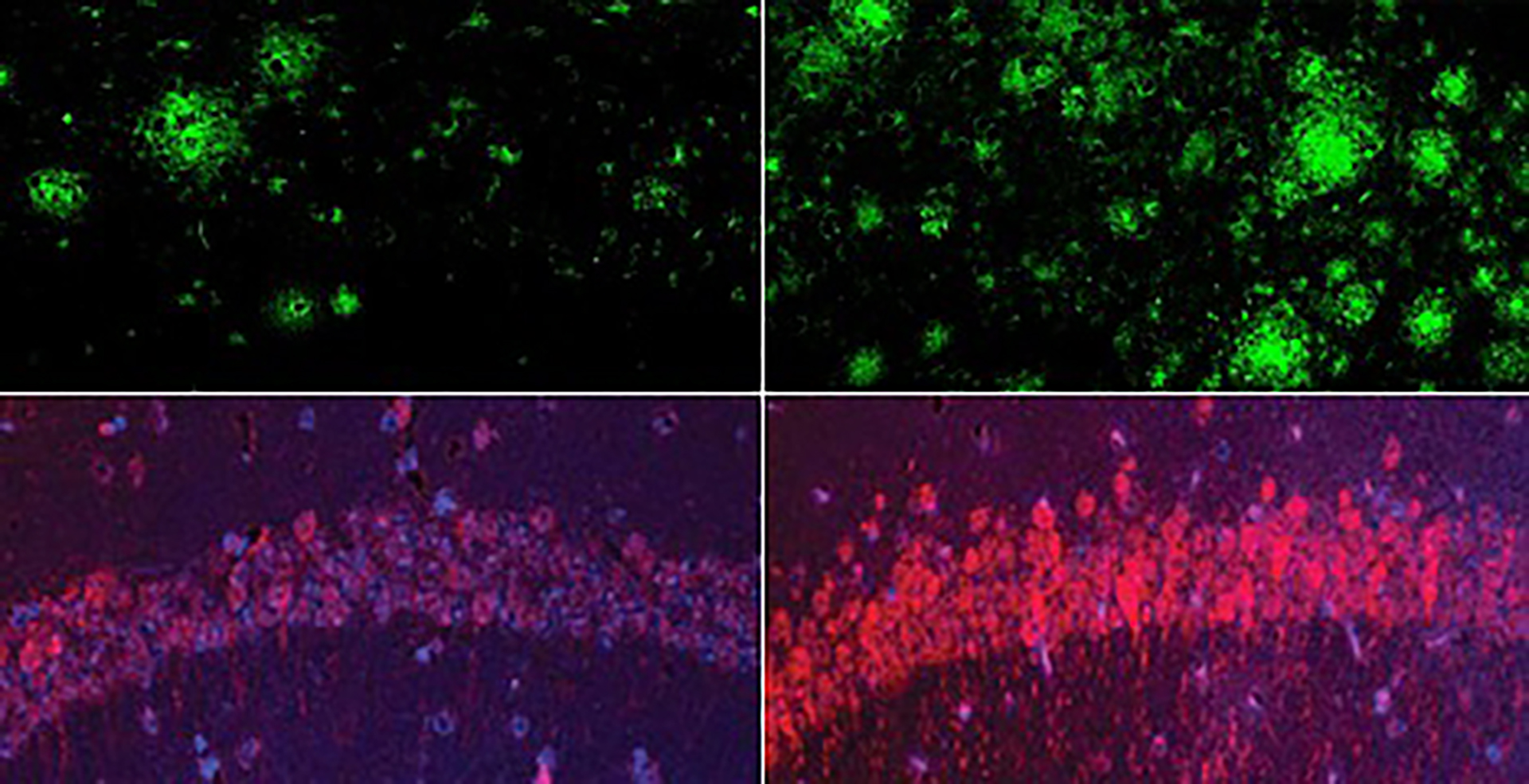
Emerging research suggests that lithium, a medication long used to treat mood disorders, may help safeguard cognitive function in aging adults vulnerable to Alzheimer’s disease. Scientists investigating this unexpected connection have uncovered compelling evidence that low-dose lithium treatment could potentially delay or mitigate some neurological changes associated with dementia.
The promising advancement arises from various global investigations exploring lithium’s influence on cerebral chemistry. Scientists have found that tiny doses of this naturally occurring mineral seem to disrupt the buildup of tau proteins and amyloid plaques, which are two key signs of Alzheimer’s disease. Unlike numerous experimental treatments for Alzheimer’s that focus on a single pathway, lithium shows a diverse impact on multiple biological mechanisms related to neurodegeneration.
What makes these findings particularly noteworthy is lithium’s established safety profile and decades of clinical use in psychiatry. At the much lower doses being studied for neuroprotection, patients typically experience minimal side effects compared to the higher concentrations used for bipolar disorder treatment. This existing knowledge base could potentially accelerate the development timeline if clinical trials continue showing positive results.
The most promising data comes from longitudinal studies tracking elderly populations in areas with naturally occurring lithium in drinking water. These observational studies found that communities with slightly elevated lithium levels in their water supply showed significantly lower dementia rates compared to demographically similar areas without lithium in their water. While correlation doesn’t prove causation, these findings align with laboratory research showing lithium’s neuroprotective properties.
Neuroscientists explain that lithium appears to work through several mechanisms simultaneously. It enhances the brain’s natural waste-clearing processes, reduces harmful inflammation, and promotes the growth of neural connections. This comprehensive approach addresses multiple aspects of Alzheimer’s pathology rather than targeting a single suspected cause, which may explain why it shows more consistent results than many experimental drugs.
Current clinical trials are exploring optimal dosing strategies to maximize benefits while minimizing potential side effects. Early results suggest that doses as low as one-tenth of those used for psychiatric conditions may still offer significant neuroprotection. Researchers emphasize that self-medication with lithium supplements is dangerous and that proper medical supervision remains essential, as improper dosing can lead to serious health complications.
The ramifications of this study go further than preventing Alzheimer’s. Certain research suggests that lithium could aid in preserving brain function during normal aging by promoting the health and adaptability of neurons. This has generated curiosity regarding possible uses for mild cognitive decline and other neurodegenerative disorders where present therapeutic options are still scarce.
As excitement increases within the scientific community, specialists advise that more thorough evaluations are required before recommending lithium explicitly for dementia prevention. Current studies focus on identifying the populations that could gain the most advantages, the optimal length of treatment, and how lithium could work together with other preventive measures such as nutrition and physical activity.
For families affected by Alzheimer’s, this research approach brings cautious optimism. The possibility of reusing a familiar medication might considerably reduce the usual ten-year drug development timeline. Nevertheless, neurologists emphasize that factors such as physical exercise, social interaction, and cardiovascular well-being are still the most validated ways to sustain brain health as we grow older.
As the worldwide population grows older and cases of Alzheimer’s continue to increase, finding effective strategies for prevention becomes more critical. Lithium’s surprising potential in this field shows how medical breakthroughs can sometimes arise from reevaluating traditional remedies with current scientific insights. Upcoming research will reveal if this ancient element might be incorporated into our contemporary tools against one of the most dreaded conditions associated with aging.
What makes the lithium research particularly compelling is its basis in multiple scientific approaches – from population studies to molecular biology. This convergence of evidence from different disciplines strengthens the case for further investigation while providing insights into the complex biology of brain aging. Whether lithium ultimately proves to be a useful tool in preventing dementia or not, the research is expanding our understanding of how to protect the aging brain.
For now, the scientific consensus maintains that while these findings are promising, they don’t yet justify widespread lithium use for dementia prevention outside of clinical trials. However, they do represent an important new direction in Alzheimer’s research that could potentially lead to more effective interventions in the near future. As with all medical advances, careful study must balance hope with scientific rigor to ensure any eventual treatments are both safe and effective.