The U.S. administration’s recent decision to significantly raise tariffs is anticipated to affect consumer costs in various economic sectors. These alterations in trade policy, which are the most considerable import tax shifts in several decades, are expected to cause marked price hikes for numerous common items over the next few months.
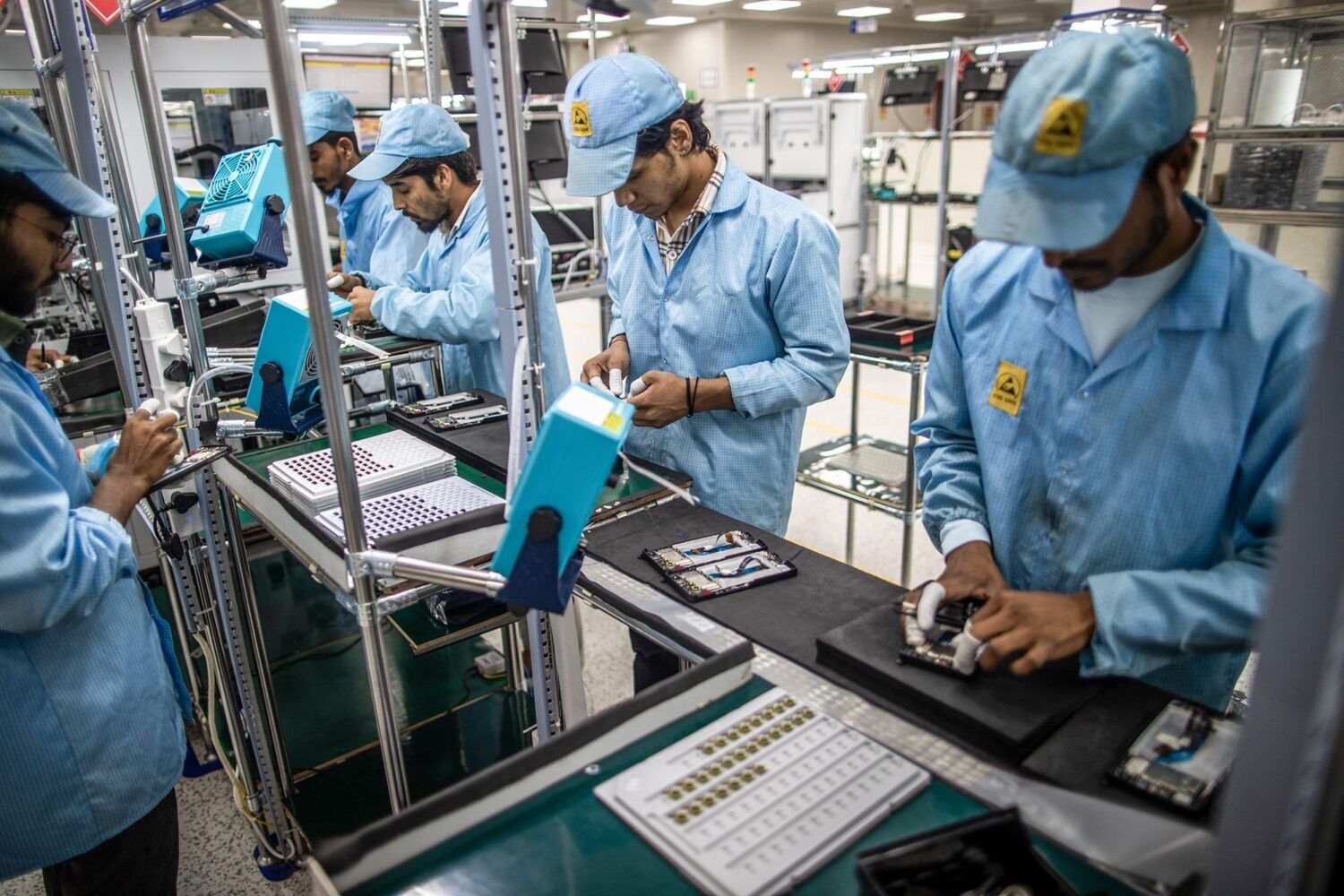
Electronics and technology products appear particularly vulnerable to price hikes. Many consumer electronics, including smartphones, laptops, and home appliances, contain components subject to the new tariffs. Industry analysts predict these products could see retail price increases of 8-12% as manufacturers and retailers pass along higher import costs. The timing is especially challenging as back-to-school and holiday shopping seasons approach, potentially forcing consumers to adjust their purchasing plans.
Automotive products represent another category facing substantial cost pressures. Imported vehicles and auto parts from certain countries will be subject to significantly higher tariffs, which could translate to $1,500-$3,000 increases on affected models. The used car market may experience collateral effects as well, with prices potentially rising as demand shifts away from more expensive new vehicles. Repair costs could also climb as replacement parts become more costly.
Home renovation and building materials are anticipated to experience significant price hikes. Products such as steel nails, aluminum extrusions, and various construction supplies are subject to substantial new tariffs that are expected to raise construction project expenses by hundreds or even thousands of dollars. This occurs when housing affordability continues to be a significant concern across the country, potentially worsening difficulties for first-time homebuyers and renters encountering new construction setbacks.
The clothing and footwear industry anticipates widespread price adjustments. While some retailers may initially absorb portions of the increased costs to remain competitive, most analysts expect these savings to be temporary. By mid-2025, many apparel items could carry 10-15% higher price tags, with luxury goods and performance wear potentially seeing even steeper increases due to their specialized materials and manufacturing processes.
Grocery stores might have to increase the prices of various imported food products. Some types of cheese, olive oil, and packaged foods coming from particular nations will be subjected to new tariffs, which could significantly raise consumers’ weekly grocery expenses. This situation arises while food inflation is already high, possibly intensifying the financial strain on family budgets.
The tariff impacts extend beyond consumer goods to industrial and business inputs. Manufacturers relying on imported raw materials or components may face difficult choices between absorbing higher costs or raising prices for their customers. This could create ripple effects throughout supply chains, ultimately affecting prices for a wide range of domestic products that incorporate tariff-affected imports.
Specialty goods and leisure activities represent an additional sector where consumers might experience financial pressure. Items such as musical instruments, sports equipment, and crafting materials that depend on overseas components may encounter notable price increases. These unique markets frequently possess fewer local substitutes, providing purchasers with restricted choices to circumvent the increased expenses.
El impacto económico completo dependerá de varios elementos, como la rapidez con la que los importadores puedan modificar sus cadenas de suministro, la disponibilidad de alternativas nacionales y posibles medidas de represalia de los socios comerciales. Algunos economistas advierten que el efecto acumulado en diversas categorías de productos podría afectar significativamente las medidas de inflación y los patrones de gasto de los consumidores en los próximos meses.
Certain industries may experience more immediate effects than others. Products with longer inventory cycles, like automobiles and appliances, might not show price changes for several months as retailers work through existing stock. Conversely, goods with rapid turnover, such as fashion items and seasonal products, could reflect tariff impacts much sooner.
Consumers looking to mitigate the financial impact might consider several strategies. Purchasing domestic alternatives where available, timing major purchases before full tariff effects materialize, or exploring used markets could help offset some of the expected price increases. However, for many imported goods with limited substitutes, avoiding higher costs may prove challenging.
The tariff changes arrive during a period of economic uncertainty, with many households already adjusting to elevated prices across numerous categories. The additional pressure on specific product groups could force difficult budgeting decisions and potentially alter consumption patterns in ways that ripple through the broader economy.
As businesses and consumers adapt to the new trade landscape, the full consequences of these policy changes will gradually become clear. What remains certain is that the cost structure for many everyday products is entering a period of significant adjustment, with American shoppers likely to feel the effects at checkout counters nationwide.