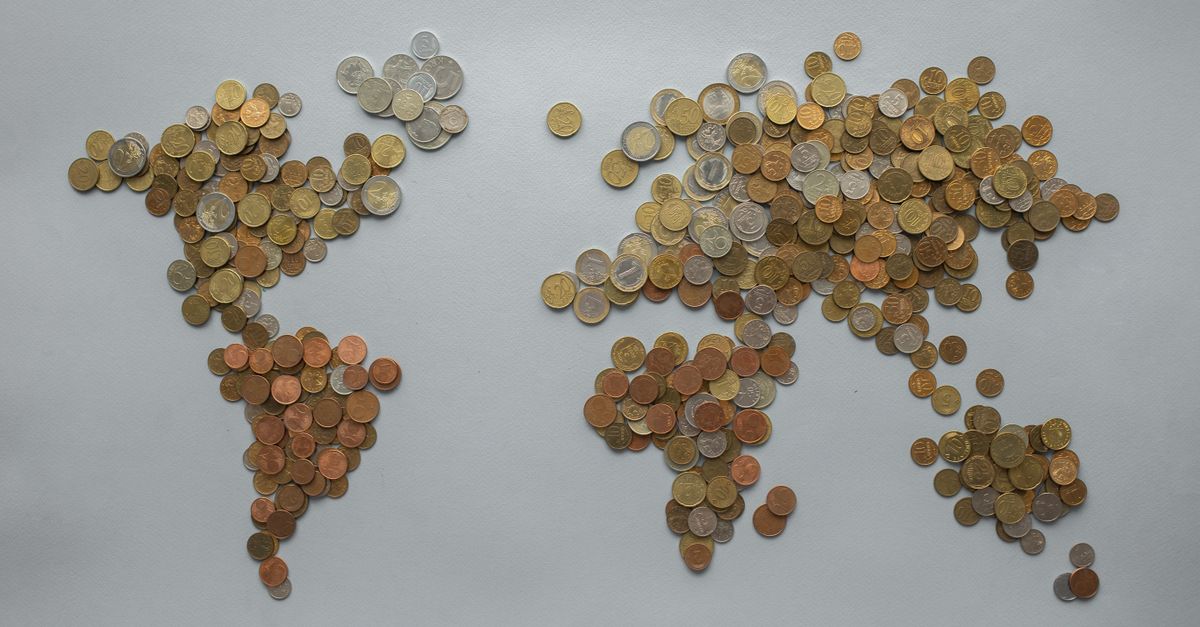
The issue of foreign debt has been a focal point in conversations about economic advancement, social progress, and worldwide financial stability, specifically in relation to the Global South. This extensive area, which includes nations in Africa, Latin America, Asia, and Oceania, has faced the challenges and repercussions of depending on external loans from international lenders, private financiers, and multilateral organizations.
Origins and Evolution of External Debt
External debt generally occurs when states or businesses in emerging economies seek loans from foreign sources to support development initiatives, cover budgetary shortfalls, or stabilize unstable economies. The roots of extensive foreign debt can be traced to the time following colonial rule when new sovereign nations required capital for building infrastructure and modernization efforts. The oil crises during the 1970s, alongside variable commodity prices and international interest rates, intensified the demand for outside funding.
Through the 1980s and 1990s, cycles of borrowing were exacerbated by structural adjustment programs and conditionalities imposed by lenders such as the International Monetary Fund (IMF) and the World Bank. Such mechanisms, intended to ensure loan repayment, often pushed debtor nations into austerity measures, which had significant socio-economic repercussions.
Socio-Economic Impacts of External Debt
The heavy load of foreign debt places significant strain on budgets in the Global South. Nations dealing with hefty debt repayment commitments often dedicate large parts of their budgets to paying interest and principal. This redirects funds away from crucial investments in sectors like healthcare, education, infrastructure, and environmental conservation.
For example, as reported by the World Bank, nations in sub-Saharan Africa used an average of 12% of their government revenue on paying off external debt in 2022, which was more than the 9% they allocated on health expenses. In Ghana, increasing debt payments have been pointed out as a reason for decreased funding for child health programs, resulting in ongoing malnutrition among at-risk groups.
The necessity to sustain debt repayments frequently drives governments to adopt economic changes that emphasize fiscal discipline at the expense of social welfare. The case of Argentina’s debt crisis in 2001 demonstrates how significant reductions in public expenditure led to increased unemployment and poverty, eventually causing social unrest and political instability.
Limits on Economic Expansion and Investment
External debt, when managed prudently, can contribute to economic development by financing productive investments. However, excessive indebtedness leads to a phenomenon known as “debt overhang,” where the expectation of future debt repayments discourages both foreign and domestic investment.
Debt overhang also restricts access to new credit, since lenders are wary of lending to nations already burdened by high debt ratios. Research by the United Nations Conference on Trade and Development (UNCTAD) highlights how debt-vulnerable countries in the Global South face higher risk premiums, leading to more expensive borrowing costs.
Effect on Sovereignty and Independence in Policy
Obligations related to foreign debt frequently carry certain conditions. Nations taking loans are often compelled to implement policy actions preferred by lenders, which can compromise independence and democratic processes. Stipulations might involve selling state-owned resources, eliminating financial supports, and deregulating employment markets.
The experience of Jamaica in the 2010s vividly illustrates this dynamic. Under IMF supervision, Jamaica adopted stringent fiscal measures—reducing public sector jobs and freezing wages—which enabled debt repayment but stunted economic growth and increased poverty rates. The resulting social costs prompted widespread debate about the justice and sustainability of such externally-imposed policies.
Inter-generational and Environmental Repercussions
The impacts of external debt are not solely economic and social; they also extend across generations and ecosystems. Debt repayment obligations can force countries to invest in extractive industries—such as mining, logging, or oil production—to generate foreign currency, often at the expense of environmental sustainability.
Ecuador’s intensification of oil extraction in the Amazon has been partly driven by the need to meet debt repayments to international creditors. Such strategies have contributed to deforestation, loss of biodiversity, and social conflict with indigenous communities, showcasing the environmental cost of persistent indebtedness.
In addition, the pressures of long-term debt can limit the fiscal room required by nations to allocate resources for adapting to climate change and building resilience, thereby leaving at-risk communities susceptible to the impacts of global environmental transformations.
Initiatives for Reducing Debt and Promoting Sustainable Finance
Understanding the significant impact of foreign debt, multiple programs have been introduced to offer assistance and encourage more sustainable lending habits. The Heavily Indebted Poor Countries (HIPC) Initiative, initiated in 1996, aimed at lowering debt to a manageable level for the poorest countries globally, contingent upon their commitment to economic policy changes.
While these interventions have offered temporary reprieve, the resurgence of debt accumulation—particularly through new forms of credit such as Chinese loans and international bond markets—signals persistent challenges. Calls for comprehensive debt restructuring, fairer lending terms, and responsible borrowing have grown louder in international circles.
Innovative methods, like launching bonds connected to sustainability and nature-related debt swaps, aim to synchronize debt repayment with development and ecological goals. For instance, Seychelles reorganized some of its foreign debt in return for pledges to protect marine life, demonstrating how inventive approaches can transform debt into a tool for positive transformation.
Toward a Nuanced Understanding of Global Debt Dynamics
The worldwide effects of external debt on the Global South are a complex network created from the historical past, economic decisions, social disparities, trust of investors, and environmental management. There is a growing need for decisive and united global measures, as well as a rethinking of the financial structure that oversees national borrowing.
Sustainable development in the Global South hinges not only on the prudent management of external debt but also on the creation of equitable financing frameworks that prioritize people and planet over short-term fiscal metrics. As the world faces converging crises—public health, climate change, and inequality—the lessons drawn from the legacy and ongoing reality of external debt offer valuable insights for crafting a more just and resilient global system.