

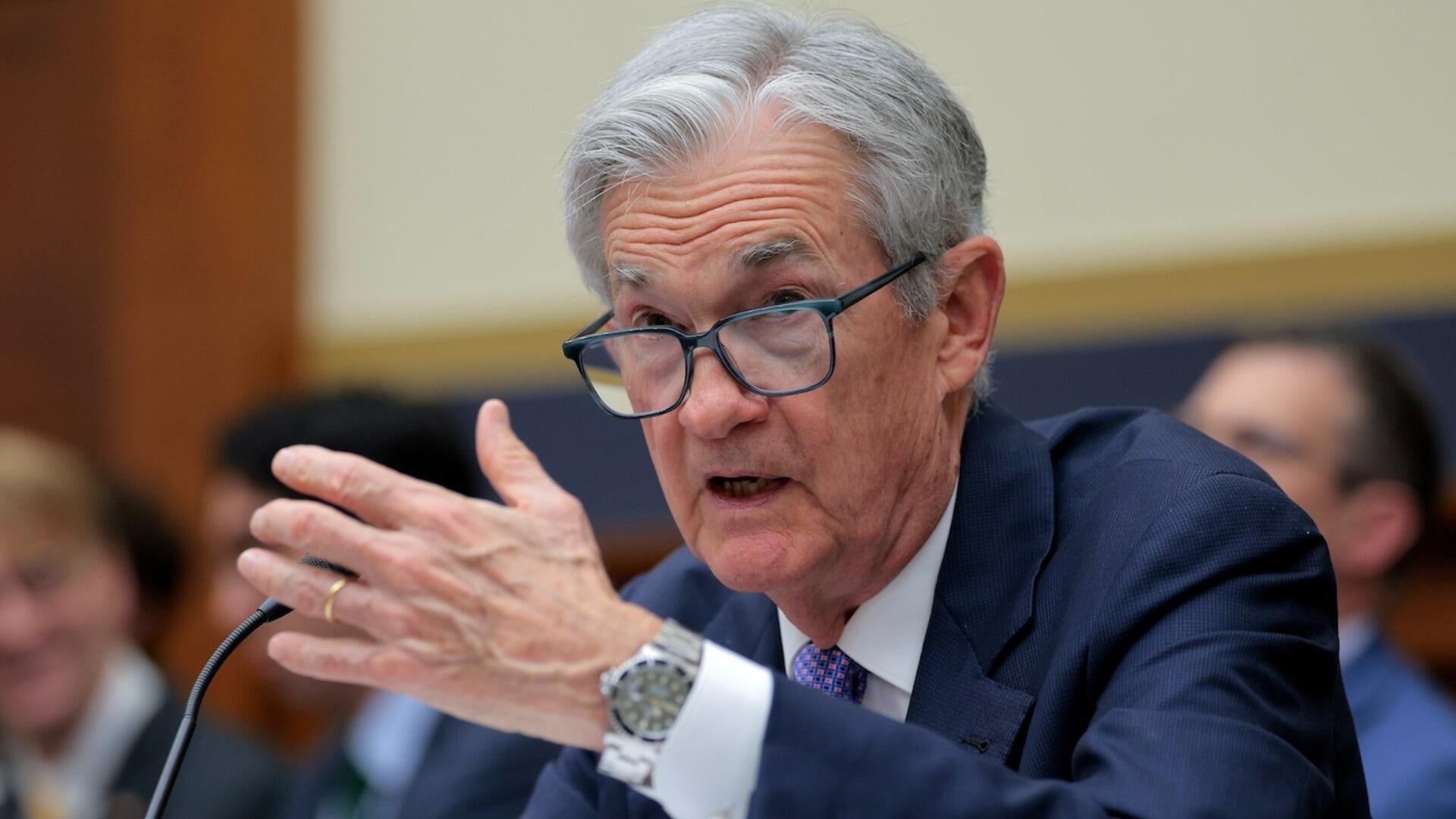
The United States has announced a decision to delay planned increases in tariffs on a range of imported goods while simultaneously unveiling new tax measures targeting specific countries. The move reflects the ongoing complexities of international trade relations as the U.S. government continues to balance domestic economic priorities with shifting global dynamics.
The delay in raising existing tariffs offers temporary relief to several key trading partners and industries, many of which had expressed concerns over the potential economic fallout of higher import duties. At the same time, the decision to impose new taxes on certain countries underscores the administration’s continued focus on using trade policy as a tool to address perceived imbalances and protect U.S. economic interests.
According to officials, the postponed tariff increases were originally scheduled to take effect within the current fiscal quarter and would have impacted a broad array of goods, including manufactured products, industrial components, and consumer goods. The deferral is viewed by some as an effort to allow further diplomatic engagement and to avoid additional inflationary pressures that could arise from higher import costs.
Although the tariff hike has been postponed, the introduction of new tax strategies indicates a focused method for trade regulation. These additional charges are directed at nations that, as stated by U.S. trade officials, have participated in activities considered harmful to equitable competition or have gained excessively from current trade deals without providing reciprocal advantages to American companies.
Trade analysts suggest that the dual strategy reflects the administration’s attempt to manage competing pressures: on one hand, there is a desire to protect domestic industries from unfair competition; on the other, there is recognition that aggressive tariff hikes could negatively impact U.S. consumers, supply chains, and global trade relationships.
The nations facing the newly imposed taxes haven’t been entirely publicly disclosed yet. Initial information suggests that both traditional partners and developing markets, whose trade strategies have been examined closely in recent years, are included. The anticipated taxes might affect industries like steel, technology, textiles, and agriculture, varying with each nation’s export activities and the type of claimed trade discrepancies.
For enterprises and investors, the announcement provides both a sense of relief and introduces additional uncertainties. Delaying the broader tariff increases alleviates an immediate cost pressure for importers and supply chain administrators. Nonetheless, the imposition of specific new duties presents new obstacles for firms dependent on global sourcing or those with international activities.
Economists have noted that the U.S. has increasingly turned to tariffs and taxes as levers of economic strategy over the past decade. This approach, while intended to level the playing field and support domestic employment, has also introduced volatility into global markets. Previous rounds of tariffs, particularly those linked to trade disputes with China, have demonstrated the far-reaching impacts that such measures can have on pricing, manufacturing decisions, and international cooperation.
In this recent case, the administration’s choice to delay widespread tariff hikes might have resulted from multiple factors, such as worries about inflation, diplomatic agendas, and the delicate condition of the global economy after the pandemic. The increase in consumer prices is still a primary concern for U.S. decision-makers, and additional increases in import costs could worsen inflationary pressures, affecting family finances and company profits.
From a diplomatic standpoint, postponing the tariff hikes offers breathing room for ongoing negotiations with key partners. Several countries affected by past tariff measures have engaged in dialogue with U.S. officials aimed at resolving trade disagreements, and this delay may be seen as a gesture of goodwill or strategic patience.
Nevertheless, the introduction of additional taxes implies that the U.S. continues its dedication to addressing what it perceives as chronic trade disparities. The government has highlighted concerns such as intellectual property breaches, inequitable subsidies, and currency manipulation as reasons for enforcing stricter trade measures. Through targeted implementation of new tariffs, the U.S. seeks to convey a distinct message that although it is willing to collaborate, it will respond decisively when it detects threats to its industries or economic interests.
The global response to the news has been varied. Certain nations have expressed approval of the postponement of the wider tariff hikes, seeing it as a chance to promote dialogue and prevent a possible rise in trade conflicts. On the other hand, some have disapproved of the recent duties, viewing them as one-sided measures that weaken the essence of free trade and international collaboration.
Trade associations and global entities, among them the World Trade Organization (WTO), persist in promoting the resolution of conflicts using established mechanisms instead of resorting to one-sided actions. The WTO has adjudicated numerous disagreements related to tariffs between the U.S. and other key economies, yielding varied results that underscore the intricacies of current trade management.
For consumers in the United States, the potential impact of the newly implemented trade policies might differ based on the actions businesses decide to take. Firms encountering increased import duties might transfer some of these expenses to buyers, which could influence the pricing of various products. Nonetheless, postponing the larger tariff escalations helps to lessen the immediate price surges that might have broadly impacted family finances.
Industry groups have also weighed in, with some praising the measured approach and others calling for greater transparency in how countries are selected for targeted duties. Sectors such as manufacturing, agriculture, and technology—many of which are highly sensitive to international trade policies—will be closely watching for further announcements and clarifications.
Looking ahead, trade experts suggest that the current U.S. approach may signal a longer-term shift toward more strategic and selective trade enforcement rather than across-the-board tariffs. This reflects an understanding that in an interconnected global economy, abrupt or sweeping measures can have unintended consequences, including retaliation from trading partners, supply chain disruptions, and geopolitical tensions.
El equilibrio entre proteger las industrias locales y conservar relaciones internacionales estables es algo delicado. El movimiento más reciente del gobierno de los Estados Unidos parece estar diseñado para manejar esta situación cuidadosamente, ejerciendo presión donde lo considera necesario mientras evita acciones que puedan desencadenar una inestabilidad económica más amplia.
We will have to wait and see how different countries react to the newly implemented taxes and if the current temporary suspension of tariffs will result in permanent resolutions or provoke additional negotiations and conflicts. Meanwhile, both companies and decision-makers must stay flexible, adjusting to the shifting dynamics of global commerce and its intricate network of laws, partnerships, and financial imperatives.
For now, the U.S. has opted for a strategy that combines restraint with targeted action—a choice that reflects both the challenges and the opportunities of navigating global trade in an era marked by shifting power dynamics, economic uncertainty, and the ongoing search for fair and sustainable growth.




.jpg "Buying a Home in Cap Cana")