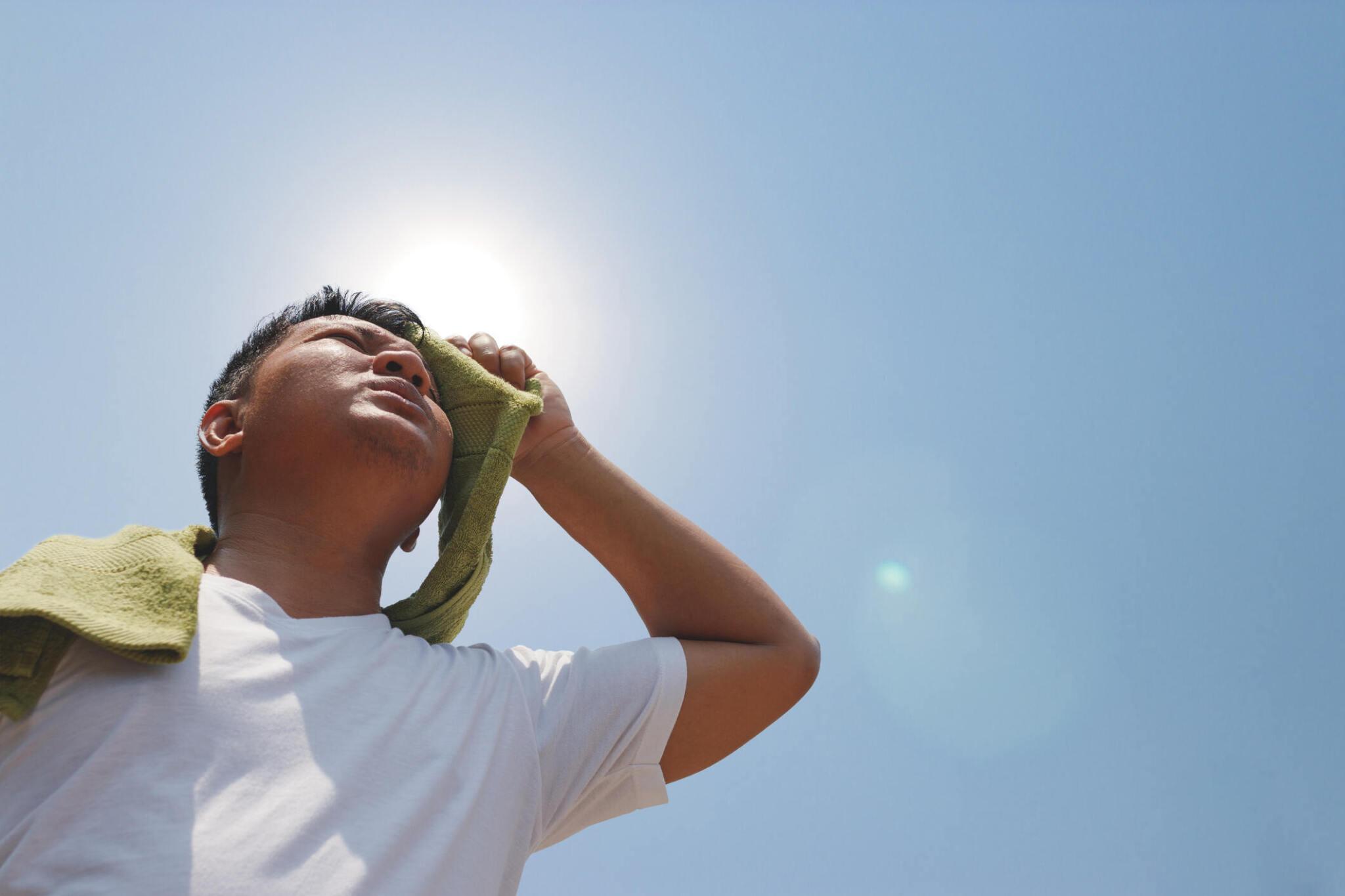
Dehydration occurs when the body loses more fluids than it takes in, resulting in insufficient water to carry out normal bodily functions. This condition can affect anyone, though certain groups such as infants, young children, elderly people, and those with chronic illnesses are more susceptible. Dehydration can arise from a variety of causes, ranging from common daily occurrences to more serious health conditions. Understanding its causes, symptoms, and preventive measures is essential for maintaining good health.
Reasons for Dehydration
Loss of body fluids can arise from various reasons, each impacting hydration in unique ways. A common reason is insufficient consumption of water, where people fail to intake adequate amounts to fulfill their body’s requirements. This can stem from a hectic schedule, unavailability of pure water, or merely not perceiving the urge to drink.
Another common cause is excessive fluid loss, which can occur through various means such as sweating, urination, or respiration, particularly during physical exercise or exposure to hot environments. For instance, athletes often experience dehydration during intense workouts if they do not replenish their fluids adequately.
Illnesses can also lead to dehydration, especially those that involve symptoms like vomiting, diarrhea, or fever. For example, a gastrointestinal infection might cause the body to lose a significant amount of water quickly, necessitating immediate rehydration to prevent serious complications.
Signs of Dehydration
The symptoms of dehydration can vary based on the severity, ranging from mild to severe. Mild dehydration might manifest as thirst, dry mouth, or decreased urine output, with urine appearing more concentrated and yellow. Fatigue and dizziness can also occur, impacting daily activities and mental focus.
Severe dehydration can exhibit more alarming signs, including intense thirst, parched skin, a fast heartbeat, and confusion. In extreme situations, it might result in critical conditions like heatstroke or hypovolemic shock, demanding immediate medical care.
Precautionary Actions
Avoiding dehydration requires developing routines that guarantee sufficient liquid consumption. Consuming a significant amount of water during the day is essential, particularly for those participating in physical exercise or living in warm environments. Including water-rich foods, such as fruits and vegetables, can also aid in sustaining hydration levels.
Observing physical indicators is another useful method for preventing issues. Being alert to feelings of thirst and frequently examining the color of urine can be beneficial for assessing hydration status. Moreover, getting ready for strenuous activities by drinking fluids beforehand can reduce the likelihood of dehydration.
Dehydration in Special Populations
Some groups of people face a greater danger of becoming dehydrated, requiring particular attention. For example, seniors might not feel thirsty as often and should deliberately drink more liquids. Likewise, babies and young kids can lose fluids faster than grown-ups, so parents and guardians need to make sure they’re consuming sufficient amounts, particularly when they’re sick with conditions such as colds or flu.
Individuals with long-term health conditions, like diabetes, must incorporate dehydration management into their overall wellness plan. Adequate hydration aids in bodily functions such as circulation and temperature control, which are vital in handling these health issues.
Reflecting on the implications of dehydration highlights its impact on both daily function and long-term health. Recognizing the nuances of fluid balance and adopting routine strategies to maintain hydration can enhance well-being significantly. It is essential to remain vigilant and proactive in addressing the causes and symptoms associated with dehydration, fostering a healthier lifestyle for all.