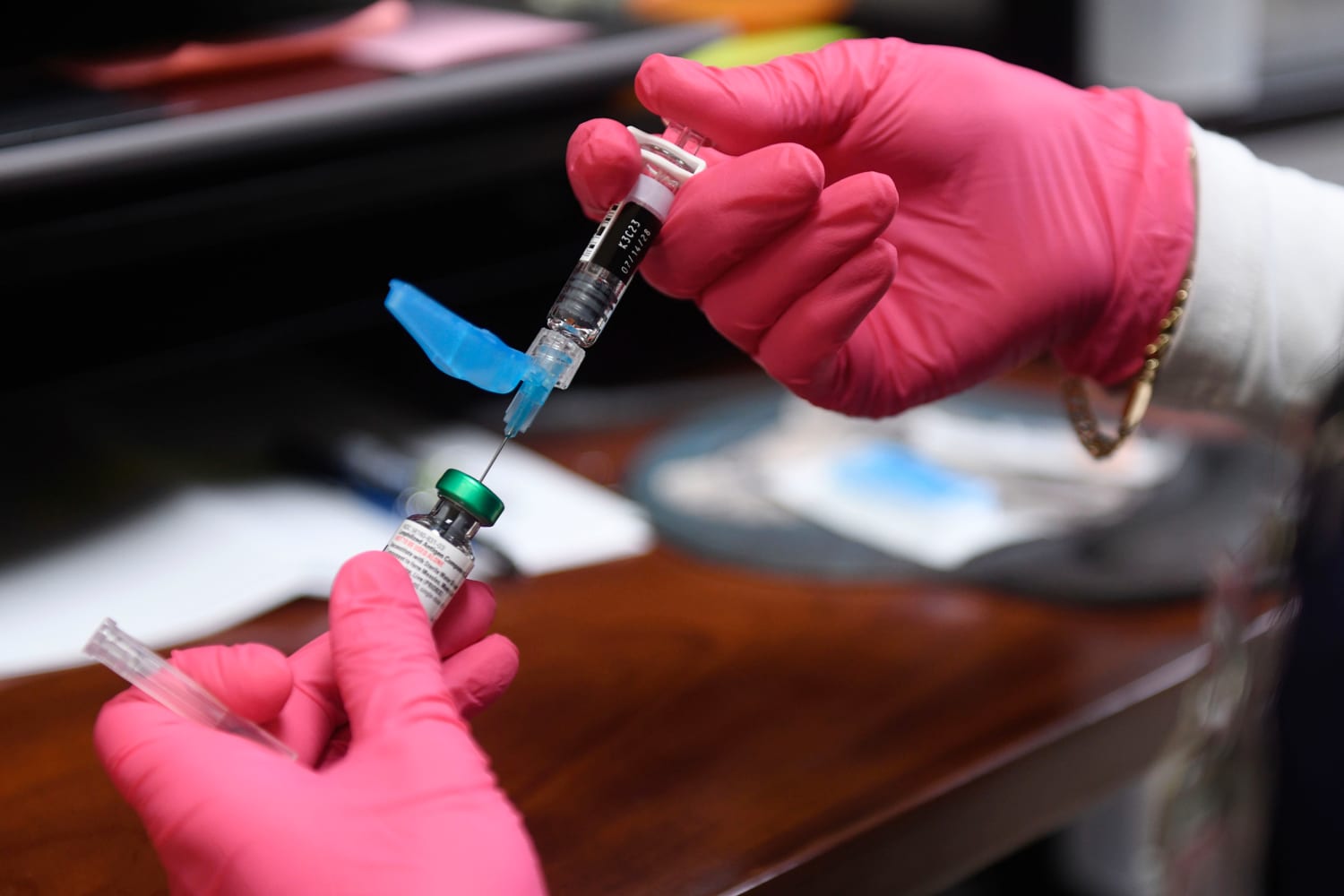
After several months of increased worry, health authorities in Texas have reported that the measles epidemic which recently affected the state has now officially concluded. This announcement comes after weeks without any newly confirmed cases and the successful conclusion of observation periods for people previously exposed to the virus. The news signifies an important achievement for public health officials who organized extensive vaccination initiatives, contact tracing, and public education efforts to prevent the spread of the highly infectious illness.
Measles, a viral infection known for its rapid transmission, poses unique challenges when outbreaks occur in large states like Texas. With a population spread across both densely populated urban areas and remote rural communities, ensuring consistent access to vaccines and timely medical intervention can be complex. The outbreak highlighted these difficulties, but it also underscored the importance of coordinated strategies involving state agencies, local health departments, and national health organizations working together.
During the progression of the outbreak, authorities highlighted that vaccination was the best means of averting additional cases. Health campaigns were initiated to motivate families to update their vaccination records, especially targeting children and young adults who might have skipped scheduled immunizations. Medical clinics broadened their services, and in several counties, temporary vaccination centers were established to serve communities lacking access. These efforts not only aided in controlling the outbreak but also raised general awareness about the significance of keeping vaccination rates high.
The announcement marking the end of the outbreak follows the protocols set by the Centers for Disease Control and Prevention. These protocols necessitate a specific duration without new cases before an outbreak can be declared finished. In Texas, this timeframe has now lapsed, providing comfort to both the local community and healthcare systems that had been on high alert. Although this indicates the cessation of the immediate emergency, authorities keep emphasizing that measles still poses a risk whenever vaccination rates fall below advised thresholds.
Epidemiologists studying the spread observed that a significant number of cases were located in regions with vaccination levels below the state norm. This relationship mirrors a pattern both in the country and worldwide, where areas with lower vaccination acceptance turn into focal points for measles spread. These tendencies emphasize the importance of clear communication regarding the safety and efficacy of vaccines, especially considering that misinformation and reluctance still shape public actions. The situation in Texas contributes to the increasing amount of proof that outbreaks frequently highlight the repercussions of diminishing vaccination rates.
Public health leaders have framed the resolution of the outbreak not as an endpoint, but as a call to action. They argue that while this chapter has closed, preventing future resurgences will require ongoing vigilance. Continued investment in vaccination programs, educational outreach, and early detection systems is crucial. Moreover, ensuring that healthcare providers maintain readiness to diagnose and respond to suspected measles cases will help minimize risks if the virus is reintroduced through international travel or other means.
The outbreak also shed light on disparities in healthcare access across the state. Rural communities, in particular, faced challenges in accessing timely vaccinations due to fewer healthcare facilities and longer travel distances. In response, mobile vaccination units and targeted outreach programs were deployed to bridge the gap. These efforts not only addressed immediate needs but also highlighted the importance of building long-term infrastructure that ensures equitable access to preventive care for all residents, regardless of geography.
Another significant aspect of the outbreak was the role of schools and childcare centers in managing exposure risks. State regulations required that unvaccinated children be excluded from classrooms during periods of heightened risk, a policy that prompted debate but ultimately contributed to containing the spread. For many families, the outbreak became a turning point in recognizing the broader community benefits of vaccination. Education campaigns in schools further reinforced these lessons, helping young people understand how individual choices affect public health.
Healthcare professionals who treated measles cases during the outbreak described the toll it took on patients and families. While many cases resulted in recovery, some individuals experienced complications that required hospitalization. The disease, often dismissed as a childhood illness of the past, revealed its true severity when symptoms escalated to pneumonia, ear infections, and, in rare cases, more serious outcomes. These stories were shared widely by health departments as part of broader communication strategies to emphasize the risks of undervaluing vaccination.
The conclusion of the outbreak has been greeted with relief, while also recognizing the extensive efforts made behind the scenes. From contact tracers identifying potential exposures to laboratory personnel performing swift testing, the combined efforts of numerous professionals throughout the state were crucial. Their united action acts as an example of how fast mobilization, effective communication, and community involvement can manage an outbreak efficiently in a short period.
Looking forward, Texas officials are committed to maintaining strong surveillance systems that can quickly detect and respond to any reappearance of measles. These systems rely not only on healthcare providers reporting suspected cases but also on public cooperation with immunization guidelines. Public health experts caution that while the outbreak is over, measles remains endemic in other parts of the world, meaning imported cases will always pose a risk. Sustaining high vaccination rates, therefore, is the most reliable defense against another outbreak.
In reflecting on this event, many observers see it as both a warning and a success story. The warning lies in the fact that measles, once nearly eliminated in the United States, continues to resurface when communities let down their guard. The success comes from demonstrating that with coordinated action and community participation, even a highly contagious virus can be contained. For Texas, the end of this outbreak provides not just relief but also a renewed commitment to protecting public health through science-based policies and proactive engagement.
The declaration that the measles outbreak in Texas is officially over closes an important chapter in the state’s public health history. It reminds residents of the dangers of complacency while highlighting the effectiveness of prevention and rapid response. As health officials turn their focus to future preparedness, the lessons learned during this outbreak will continue to shape strategies for managing infectious diseases. By staying vigilant, encouraging vaccination, and supporting healthcare accessibility, Texas aims to prevent history from repeating itself.