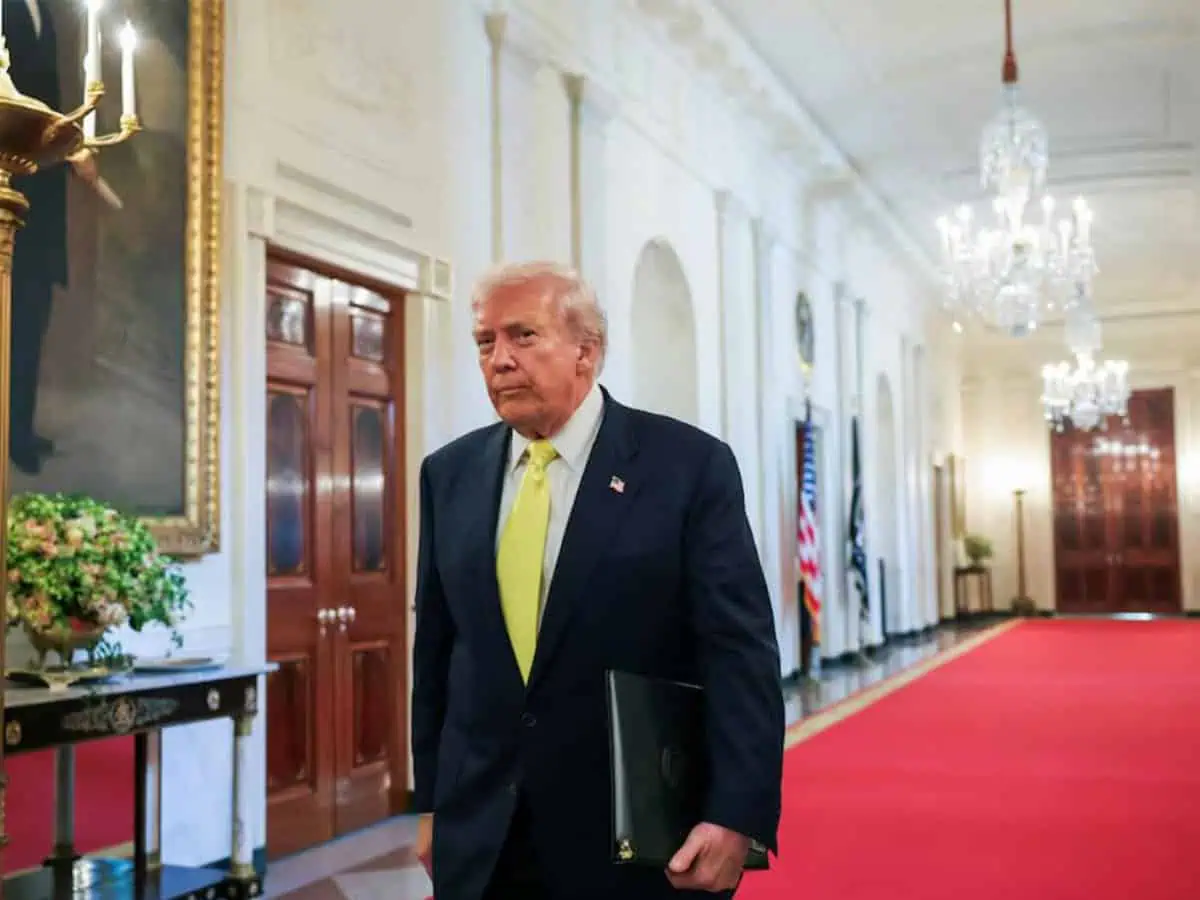
The United States and China have once again extended a trade truce, delaying a potential escalation of tariffs that would have significantly disrupted the global economy. In an executive order signed just hours before the previous agreement was set to expire, President Donald Trump postponed the imposition of higher tariffs on Chinese imports for an additional 90 days. This decision, which Beijing reciprocated with a parallel extension, provides both nations with more time to address their ongoing trade disputes and work toward a more comprehensive agreement. The move was widely seen as a necessary step to prevent a full-blown trade war and has been met with relief by financial markets and American businesses.
The decision to delay the tariff hike is the result of months of intricate negotiations and a recognition of the significant economic fallout that would have occurred without a truce. The previous agreement, reached in May, had temporarily lowered tariffs from prohibitive triple-digit levels that had threatened to cripple trade between the two countries. The recent extension maintains the current, albeit still high, tariff rates, with the US keeping a 30% tariff on Chinese goods and China maintaining a 10% levy on American products. This temporary stability is crucial for businesses that rely on global supply chains, particularly as they prepare for the upcoming holiday shopping season.
The executive order from the White House indicated that the United States is still engaged in discussions with China “to tackle the absence of trade reciprocity” alongside other matters of concern. The document noted that Beijing has “made significant progress” towards addressing these issues. The subjects of discussion encompass intellectual property rights, non-reciprocal trade agreements, and government subsidies, which American officials claim unfairly benefit Chinese businesses. The extension is perceived as a means to enable these intricate talks to proceed without the immediate threat of a trade conflict. It also leaves the door open for a potential meeting between President Trump and Chinese President Xi Jinping, which is widely viewed as crucial for reaching a lasting agreement.
The commercial ties between the US and China involve more than just tariffs; they represent a complex network of economic, political, and strategic considerations. Tariffs have been a key component of President Trump’s trade strategy, aimed at reducing the trade deficit and bringing manufacturing jobs back to the US. Despite its goals, this approach has led to considerable challenges, with critics claiming it hasn’t secured the intended concessions from China and has allowed Beijing to have its own leverage through control over rare earth minerals and other essential exports. Extending the tariff deadline underscores the challenges of using tariffs as a negotiation tool and highlights the necessity for a more sophisticated strategy in trade discussions.
The influence of this trade agreement extends beyond the United States and China. These countries are the world’s two biggest economies, and their trade connections significantly impact global markets and supply chains. The uncertainty from potential increasing tariffs has led to fluctuations in financial markets, complicating global business planning. Extending the deadline offers a necessary calm period, enabling increased stability and predictability in international trade. Nevertheless, the core problems remain unsettled, and there is still the risk of a future trade conflict.
For companies in the United States, the continuation is considered good news. Associations like the US-China Business Council have been outspoken in backing a halt to the tariff conflict, stating it is “essential” to offer the stability required for planning over medium and long terms. They are also optimistic that the discussions will result in an accord enhancing their entry into Chinese markets and eliminating some retaliatory actions that have negatively affected American exports. The trade conflict has visibly affected different areas of the US economy, including farming and manufacturing, and a permanent resolution would greatly benefit numerous American businesses.
This recent development underscores the intricate and high-stakes nature of the US-China trade relationship. While the immediate threat of a major tariff escalation has been averted, the core disagreements between the two nations are far from resolved. The next 90 days will be a crucial period for negotiators to work toward a deal that can satisfy both sides and set the foundation for a more stable and reciprocal trade relationship. The world will be watching closely as these two economic giants attempt to find a path forward that avoids a costly and damaging trade war. The future of global trade hangs in the balance, and the outcome of these talks will have a lasting impact on economies everywhere.