

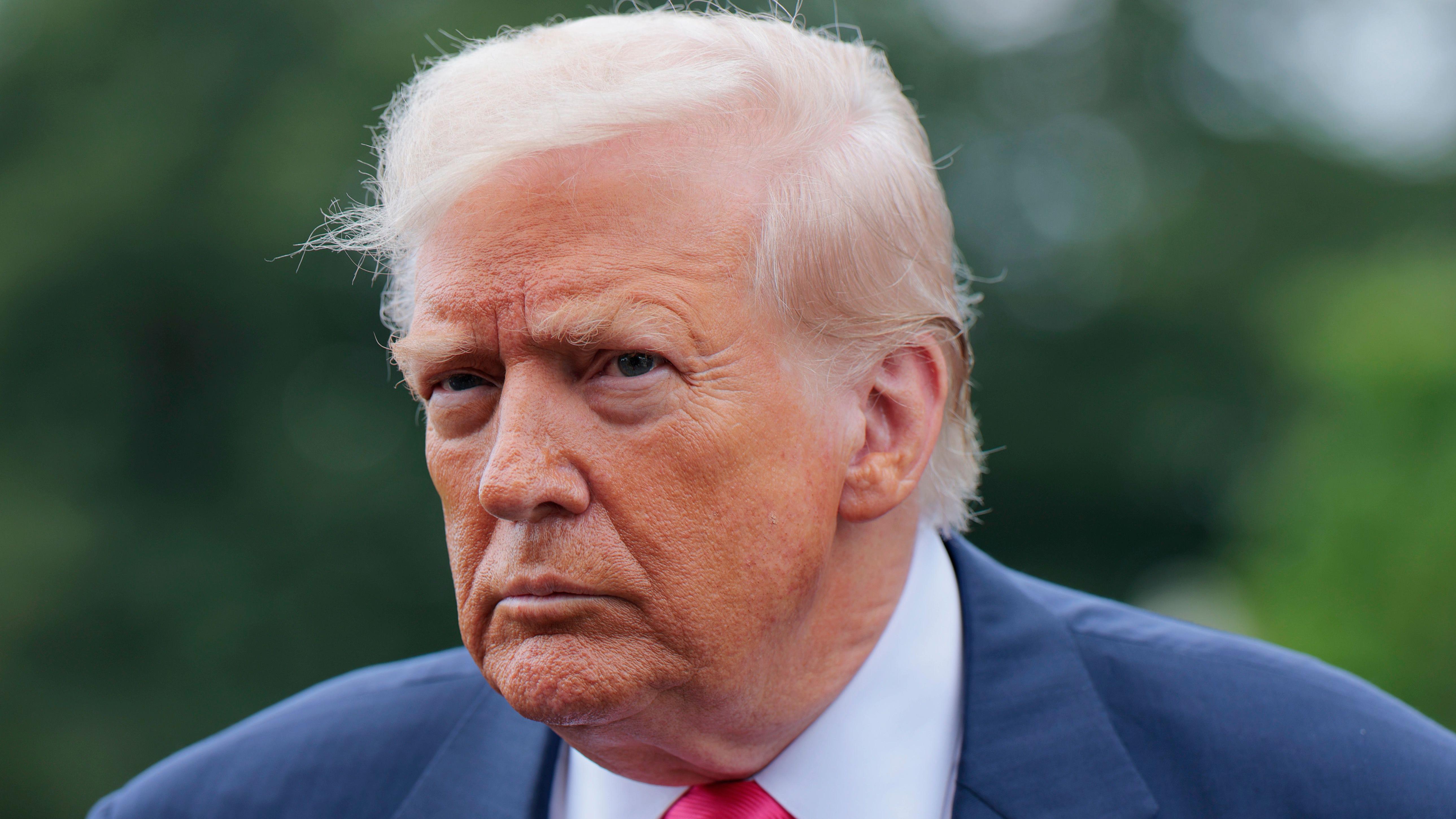
Under his leadership, Donald Trump’s strategy towards global commerce represented a significant shift from the cooperative principles that had been a cornerstone of U.S. policy for many years. Abandoning established trade practices, Trump adopted an aggressive tactic focused on imposing harsh tariffs, especially aimed at significant markets like China and traditional partners in Europe and North America. Although contentious, these measures initiated a worldwide debate on trade equity and the success of protectionist strategies—and, potentially, led to noticeable results.
At the core of Trump’s approach to trade was the conviction that previous trade deals had disadvantaged the United States, leading to ongoing trade deficits, weakened sectors, and job reductions in crucial fields like steel, aluminum, and manufacturing. In response, his administration implemented a series of tariffs on foreign products, particularly from nations with which the U.S. had large trade disparities.
One of the most significant moves was the tariff escalation with China. In 2018 and 2019, the Trump administration placed tariffs on hundreds of billions of dollars’ worth of Chinese goods, citing intellectual property theft, forced technology transfers, and unfair trade practices. In response, China retaliated with its own tariffs on U.S. goods, sparking a trade war that rippled through global markets.
Despite concerns about economic consequences, Trump insisted that the approach was effective. The administration aimed to pressure China economically, leading it to negotiations, which eventually occurred. This resulted in the “Phase One” trade agreement, finalized in January 2020. China committed to escalating its purchase of American farm produce, enhancing the protection of intellectual property, and allowing foreign competition in segments of its financial markets. Although detractors claimed the agreement did not drive systemic reform, proponents believed it demonstrated that tariff pressure could secure concessions from a major global economy.
Beyond China, the administration also leveraged tariffs in negotiations with other major trade partners. For example, under the threat of tariffs on automobiles, the U.S. pushed the European Union toward dialogue on revising trade terms. Similarly, in North America, Trump used tariff threats on Canadian and Mexican goods to renegotiate the North American Free Trade Agreement (NAFTA), resulting in the United States-Mexico-Canada Agreement (USMCA). The updated pact included stronger labor provisions, environmental standards, and digital trade regulations—reforms the administration touted as victories for American workers and businesses.
Trump’s approach of utilizing tariffs as leverage in negotiations was not widely acclaimed. Economists cautioned that these measures could potentially disturb global supply networks, raise expenses for American customers and companies, and weaken international collaboration. Certain industries, notably agriculture, were heavily impacted by counter-tariffs, leading to severe financial difficulties and resulting in the government providing billions of dollars in assistance to the affected farmers.
However, despite the criticism, there were indications that the approach had tangible results. Some sectors experienced a short-term increase, and the simple prospect of tariffs frequently encouraged trade partners to enter negotiations more earnestly. This method questioned longstanding beliefs in international economics regarding the boundaries of individual action. For many years, economists and decision-makers predominantly supported free trade and resolving disagreements through multiple nations via entities such as the World Trade Organization (WTO). The Trump administration dismissed this conventional wisdom, opting to proceed independently, prioritizing forcefulness over diplomatic strategies.
The results were mixed but significant. While the trade deficit did not disappear, it narrowed in some sectors. The conversation around reshoring manufacturing and reducing dependence on foreign supply chains, especially from geopolitical rivals, gained momentum—not only in the U.S. but globally. Countries began reevaluating their economic vulnerabilities and considering how to insulate themselves from similar trade shocks in the future.
Supporters of Trump’s approach point to these shifts as evidence that tariffs, when used strategically, can rebalance economic relationships. They argue that previous administrations had been too cautious, relying on drawn-out negotiations and global institutions that failed to deliver timely results. The aggressive stance, they contend, was long overdue.
Nevertheless, commentators point out the economic instability that came with the trade conflicts. They observe that although certain industries gained, others—especially those dependent on intricate global supply networks—experienced increased input expenses and unpredictability. The enduring consequences of these policies continue to be discussed, particularly considering the wider economic upheavals brought about by the COVID-19 pandemic during the last year of Trump’s administration.
However, the larger impact of Trump’s tariff strategy is evident in its effect on the global trade dialogue. It compelled decision-makers, corporations, and analysts to reevaluate beliefs about global markets, national priorities, and government involvement in the economy. The idea of “economic nationalism,” previously viewed as marginal, entered the mainstream, altering nations’ perspectives on trade and production sovereignty.
Though the administration led by Biden has altered its communication and approach, several tariffs established during Trump’s tenure are still intact. This consistency indicates that, despite early disputes, certain components of his strategy have been integrated into the framework of U.S. trade policy. Continued friction with China, initiatives to bolster local industries, and a wary view on broad multilateral deals demonstrate a transformed scene where protective measures are now a topic of discussion.
In hindsight, Trump’s tariff strategy can be viewed as both disruptive and consequential. While it strained alliances and unsettled markets, it also exposed structural imbalances and provoked new thinking about trade equity. Whether viewed as pragmatic realism or economic overreach, the results of these tactics continue to influence international commerce, diplomatic relationships, and domestic political debates.
As the world navigates a new era of economic uncertainty and geopolitical competition, the legacy of Trump’s trade policy remains a point of reference—controversial, unconventional, and undeniably impactful.




.jpg "Buying a Home in Cap Cana")