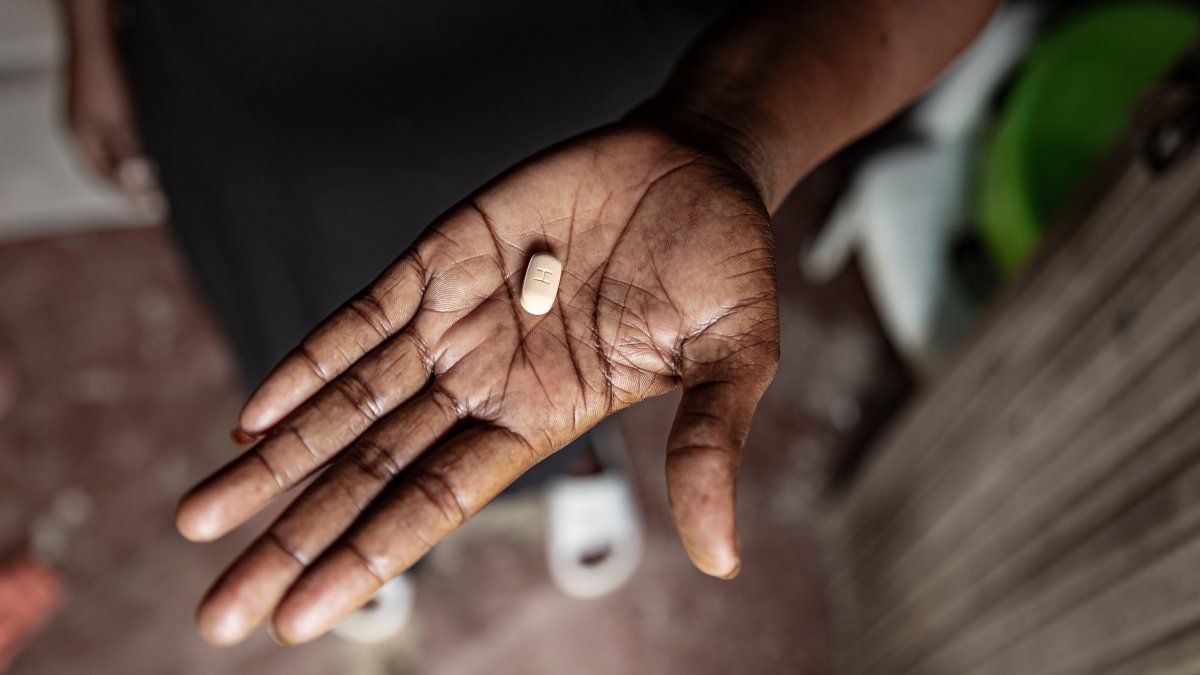
The primary initiative of the U.S. government for combating HIV/AIDS has successfully evaded a suggested reduction in financial support amidst the Trump administration’s overarching strategy to reduce federal expenditures. The continuing discussion about the allocation of funds for this initiative highlights the conflict between budgetary limitations and international health objectives.
At the center of the controversy is PEPFAR (the President’s Emergency Plan for AIDS Relief), a cornerstone of U.S. health diplomacy since its launch in 2003. Over its two-decade run, PEPFAR has funded lifesaving treatment, prevention, and support services in dozens of countries—helping to curb new infections, reduce mother-to-child transmission, and save millions of lives.
At the start of the year, President Trump’s budget proposition suggested retrieving approximately $400 million from PEPFAR as a component of a broader rollback initiative. The administration defended this decision by stating it was intended to remove unspent resources and redirect them towards urgent domestic requirements. However, detractors cautioned that reducing PEPFAR’s funds could jeopardize extensive advancements in the international battle against HIV.
What ensued was a rapid and cross-party resistance. Politicians from both sides highlighted PEPFAR’s outstanding history and ethical significance. They warned that even a modest cutback might lead to clinic shutdowns, disrupt medication delivery networks, and undo significant progress in developing areas. Supporters stressed the possible human toll—both in terms of lives lost and in reduced global goodwill associated with U.S. leadership in health matters.
Faced with increasing challenges, Senate Republicans put forward a different version of the rescue plan that maintained PEPFAR funding but suggested cuts in other areas. This alternative gained initial approval, with Vice President Vance providing the deciding vote after senators were closely divided. The modified package continues to slash billions from foreign aid and funding for public broadcasting, yet retains the essential support for HIV/AIDS.
Despite these adjustments, the broader rescission plan remains controversial. While global health advocates celebrated PEPFAR’s survival, alarm bells continue to ring over the wider implications. A companion measure would shift funding away from other international health efforts and reduce support for the Corporation for Public Broadcasting—moves that critics argue undermine essential medical, educational, and humanitarian programs.
Domestically, the debate has been heated as well. Trump’s proposed budget had also targeted federal HIV prevention efforts and research programs. These plans sparked concern among health experts, who point out that reversing the recent decline in new HIV cases—achieved through targeted testing, education, and interventions—would jeopardize domestic health gains.
In the legislature, these issues came to light through discussions and media releases that stressed the importance of federal funding in providing access to healthcare for hundreds of thousands of people in the United States. Numerous individuals depend on Medicaid, Ryan White initiatives, and their insurance to sustain ongoing medical care. Opponents contend that reducing prevention funding would exacerbate the epidemic’s effects, particularly affecting disadvantaged groups.
Beyond national borders, the global implications are stark. A United Nations report warns that withdrawing U.S. support at scale could lead to millions more HIV infections and deaths, particularly in low- and middle-income nations. Already, some clinics have faced staff reductions and service interruptions, indicating that the ripple effects are underway even before full implementation of cuts.
The Trump administration has defended the rescission effort as part of a broader push to eliminate unused budget authority and improve fiscal accountability. Officials also cite changes in humanitarian priorities and emerging health challenges. Nevertheless, they’ve carved out an exemption for PEPFAR—implicitly acknowledging its strategic and ethical significance, even amid broader retrenchment.
At present, Congress must reconcile competing priorities. The House initially approved the rescissions package in full, including the proposed PEPFAR reduction. The Senate, however, modified the plan to exclude the HIV/AIDS funding cut. The resulting compromise now returns to the House with lawmakers expected to weigh the impacts carefully before final passage.
The continued existence of PEPFAR provides short-term respite for international HIV initiatives, yet the larger cuts in aid continue to be worrisome. Health activists caution that even specific reductions—beyond HIV—might weaken delicate healthcare infrastructures overseas. Public media outlets also contend that decreased financial support will hinder their capacity to cater to underserved populations within the country.
As legislative negotiations continue, observers say this episode reveals more than budget arithmetic. It underscores how health and humanitarian policy can become entangled in partisan spending battles. The fate of global disease-fighting efforts now hinges on lawmakers’ willingness to balance cost-cutting with international responsibilities.
Looking forward, leaders in public health encourage Congress to consider a durable perspective. According to them, PEPFAR continues to set a high standard in global health diplomacy by providing tangible benefits in terms of lives preserved and maintaining international stability. Similarly, there is no absolute guarantee against vetoes for other health projects, highlighting the significance of every funding decision.
The resilience of PEPFAR’s funding reflects not only its proven impact but also the political will that emerged in response. Whether that will translates into securing broader health and development programs remains to be seen. But for now, the global fight against HIV continues, bolstered by a program that for many remains synonymous with American leadership in global health.